2026 Cost Guide · Updated June 2026

ADU Cost in Pennsylvania — Philadelphia, Pittsburgh & Statewide

Pennsylvania's ADU market is led by Philadelphia's abundant rowhouse stock and Pittsburgh's revitalizing, affordable neighborhoods. There's no statewide ADU preemption — regulations are entirely local, and the state's older housing stock creates conversion opportunities not available in newer Sun Belt markets.

$130K–$290K Detached ADU (Philadelphia)
$55K–$120K Conversion (lowest cost)
30–40% Pittsburgh savings vs. Philadelphia
No state law Rules set municipality-by-municipality

PENNSYLVANIA
ADU Collection

Beautiful. Functional. Built for Pennsylvania Living.

🏠Increase Property Value
💲Generate Rental Income
👥Multi-Generational Living
🌿Sustainable Design
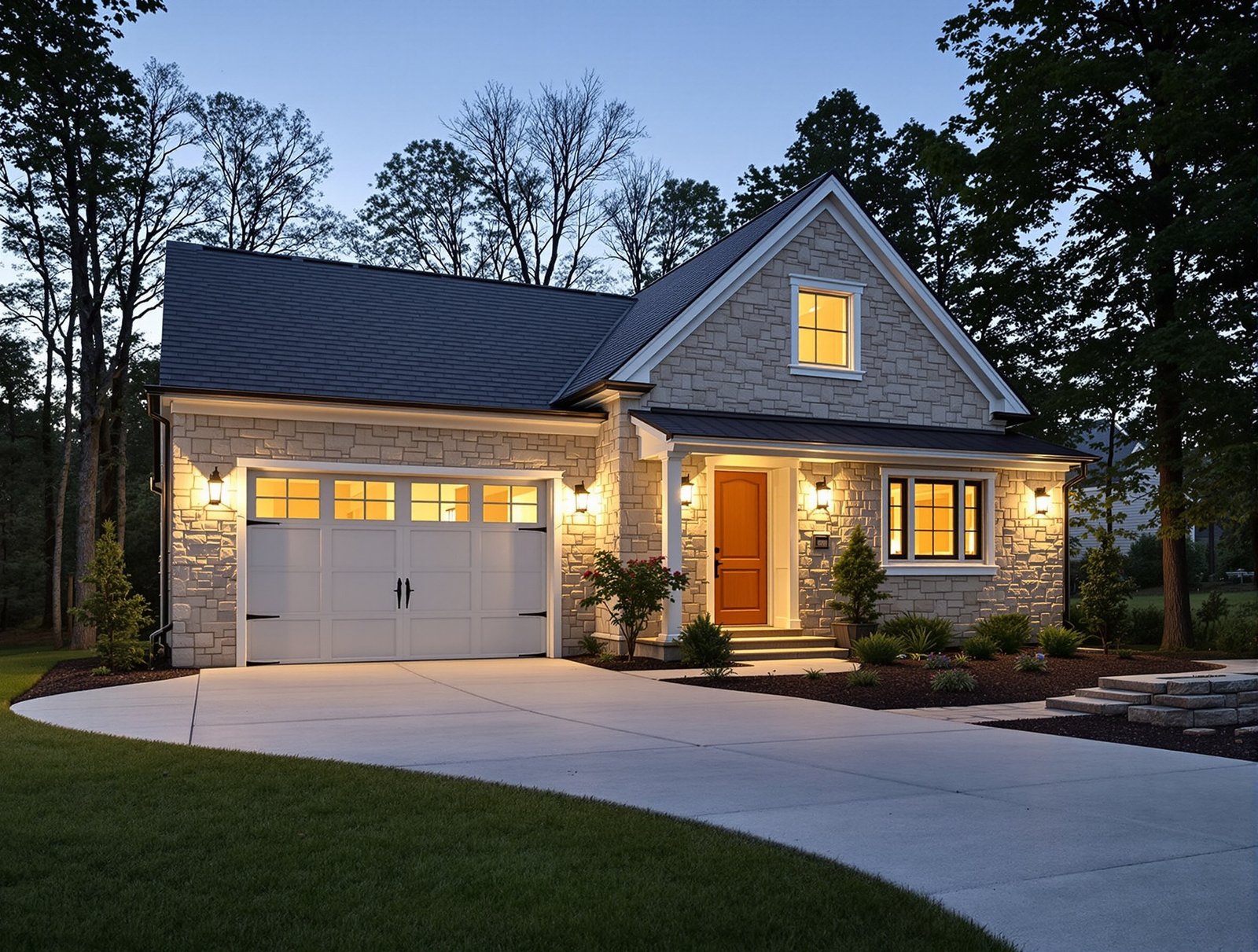
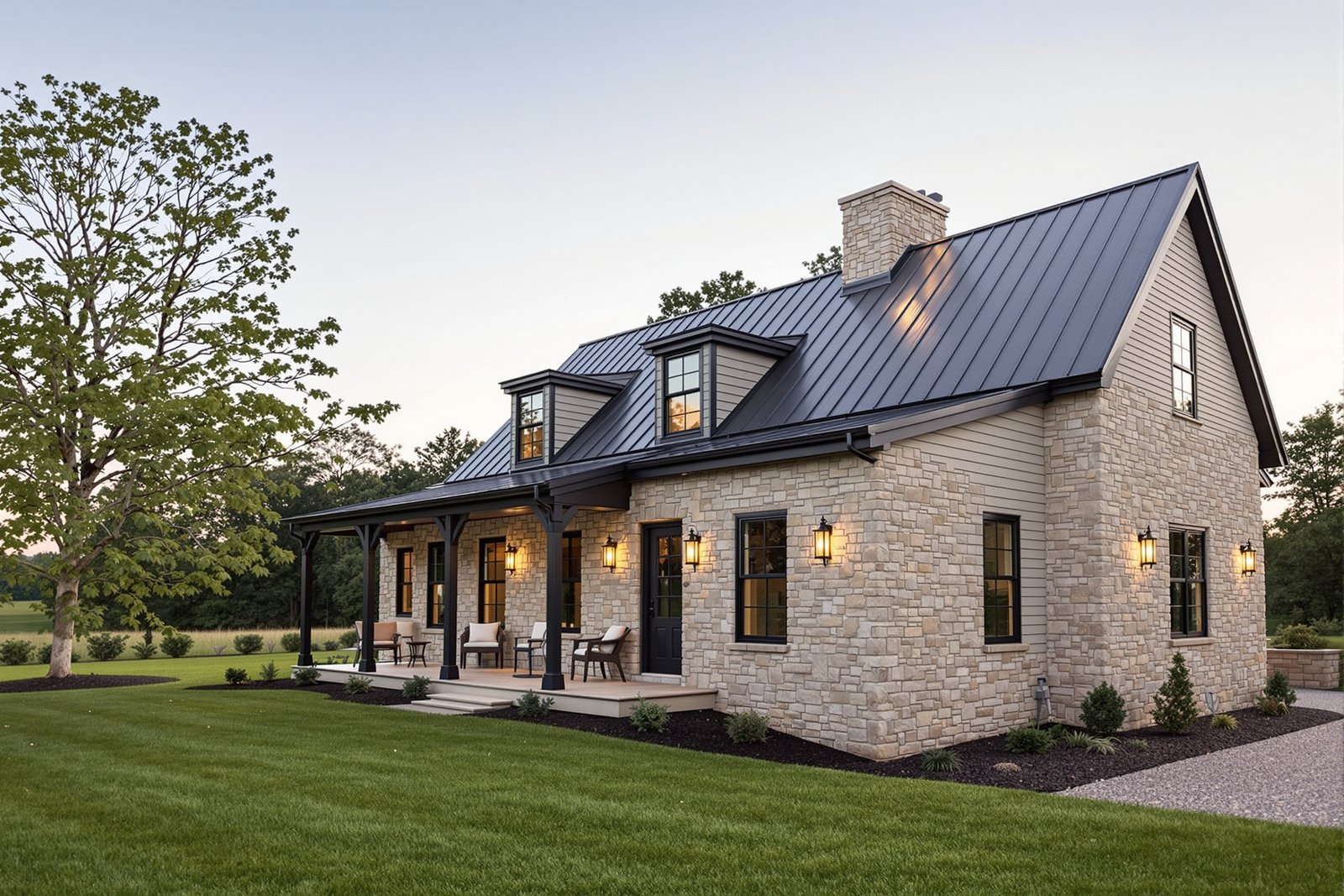
Pennsylvania ADU front elevation
Pennsylvania Detached ADU
Pennsylvania Garage Conversion ADU
Pennsylvania Attached ADU
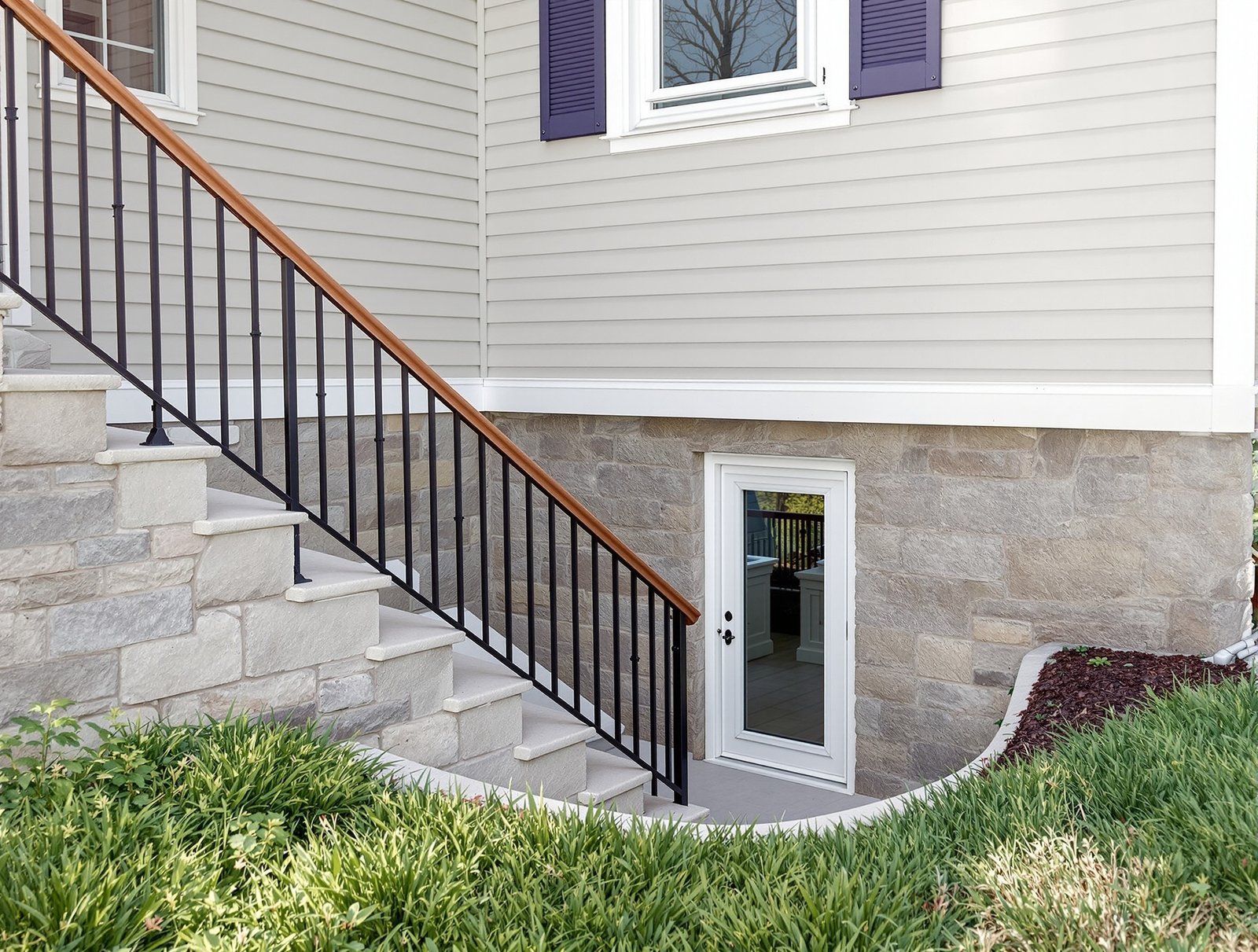
Pennsylvania Basement Conversion ADU
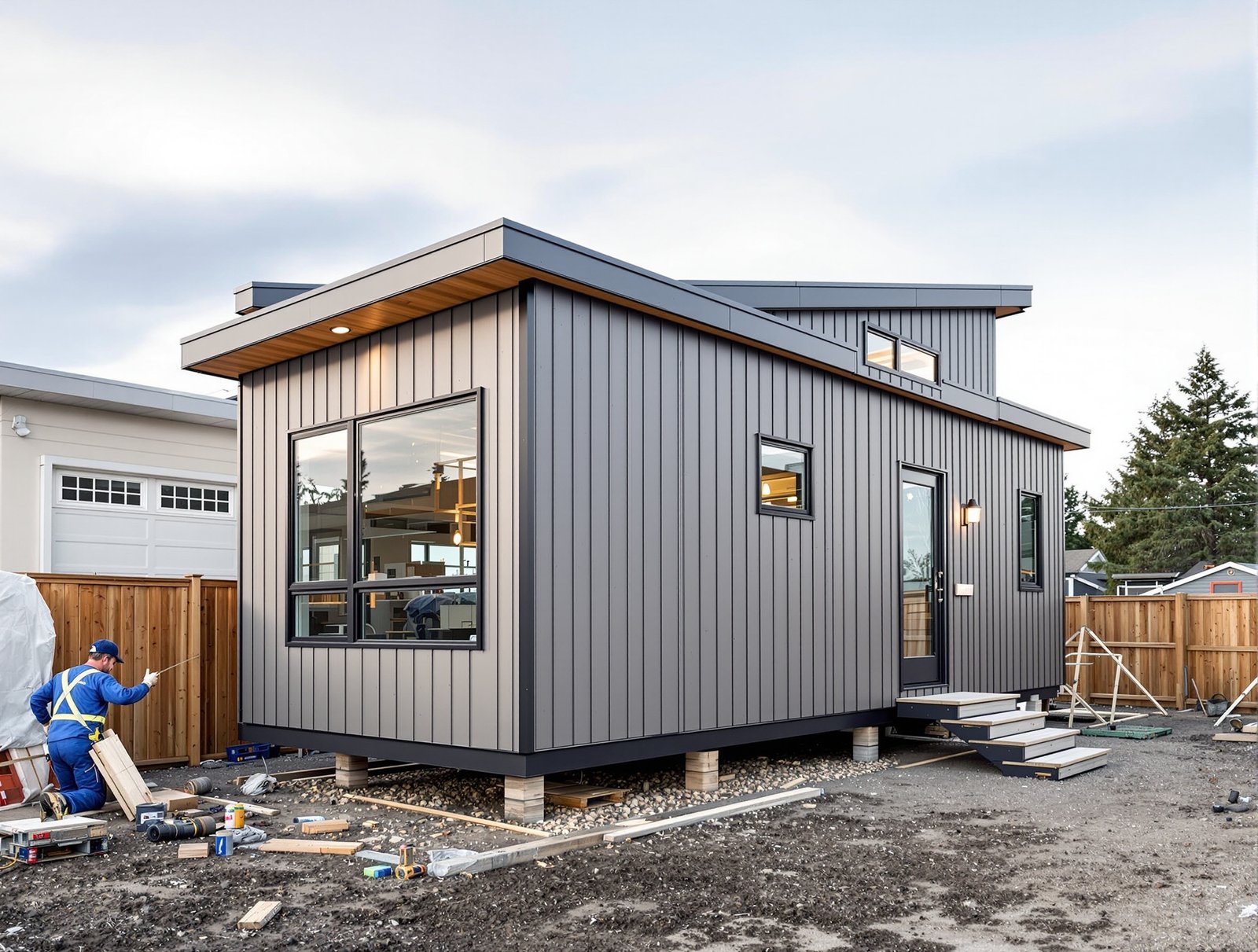
Pennsylvania Modular Prefab ADU
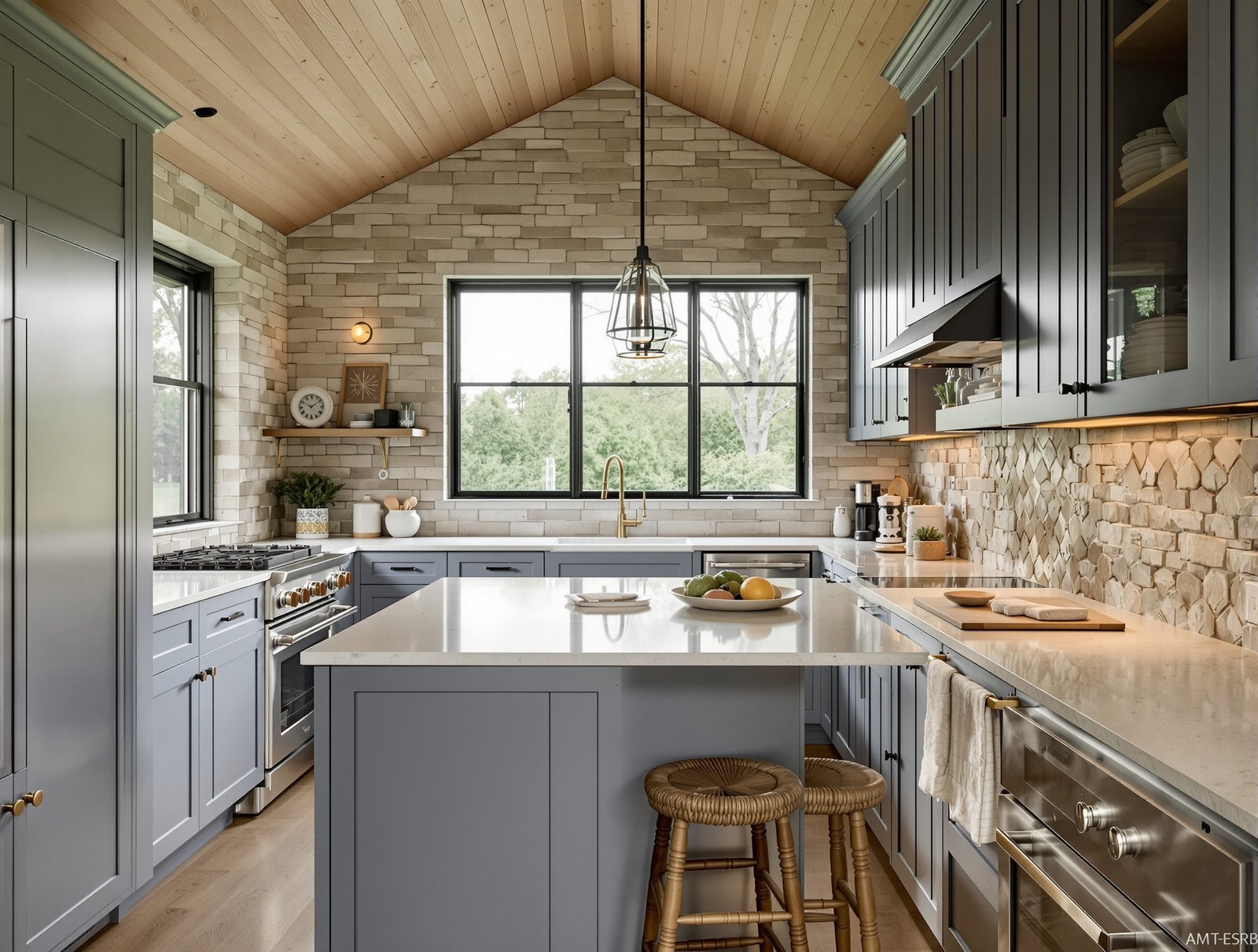
Pennsylvania ADU kitchen interior
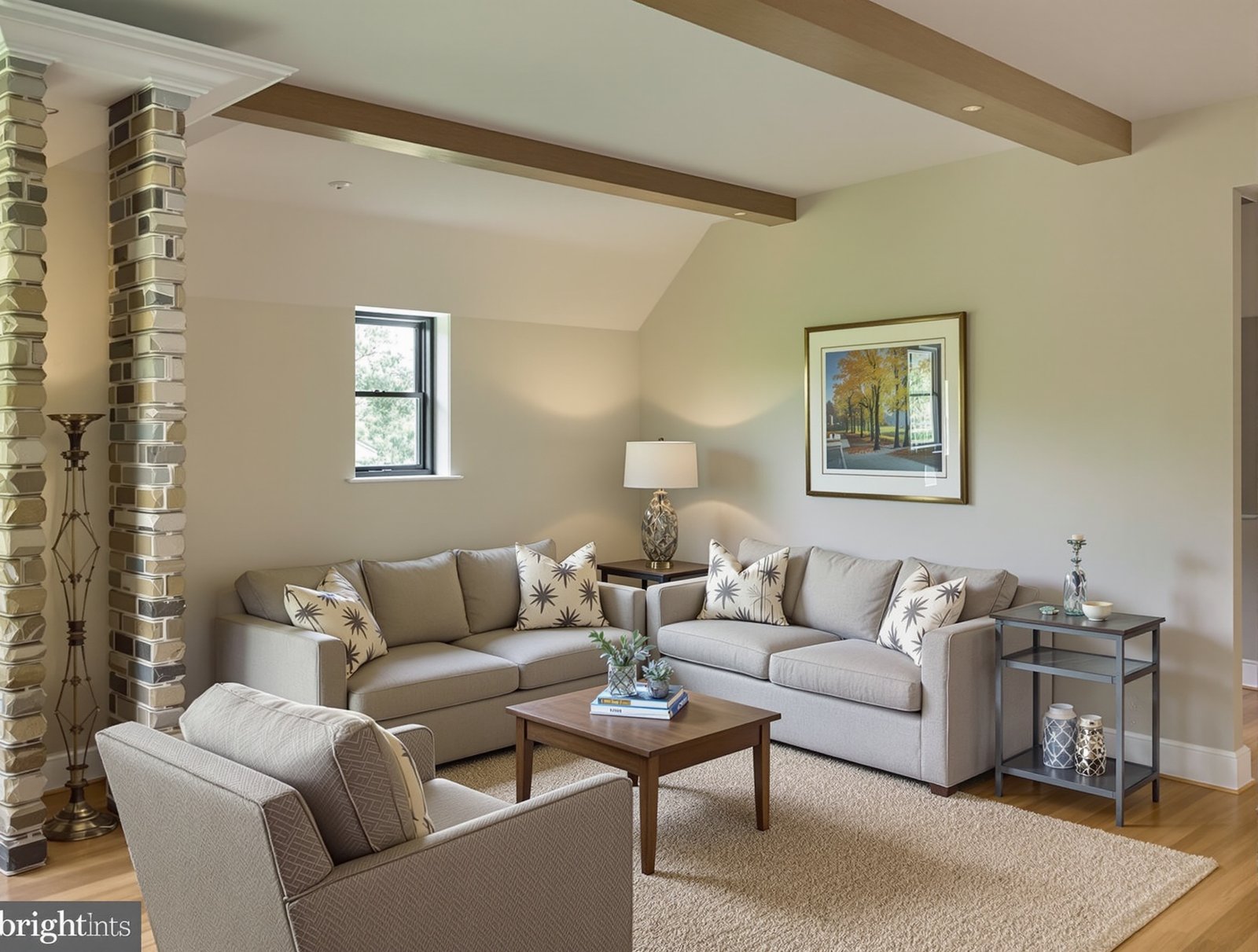
Pennsylvania ADU living room interior
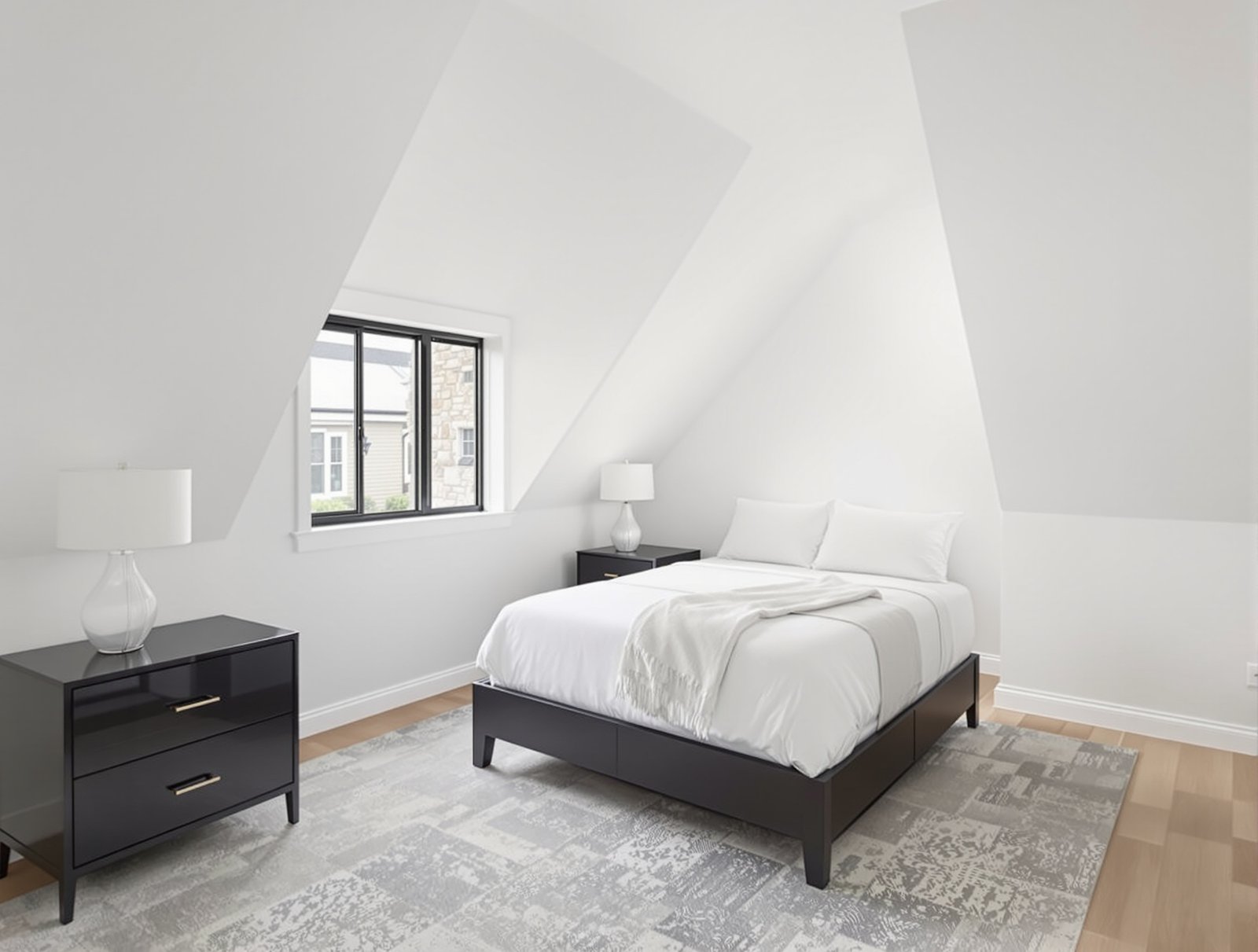
Pennsylvania ADU bedroom interior
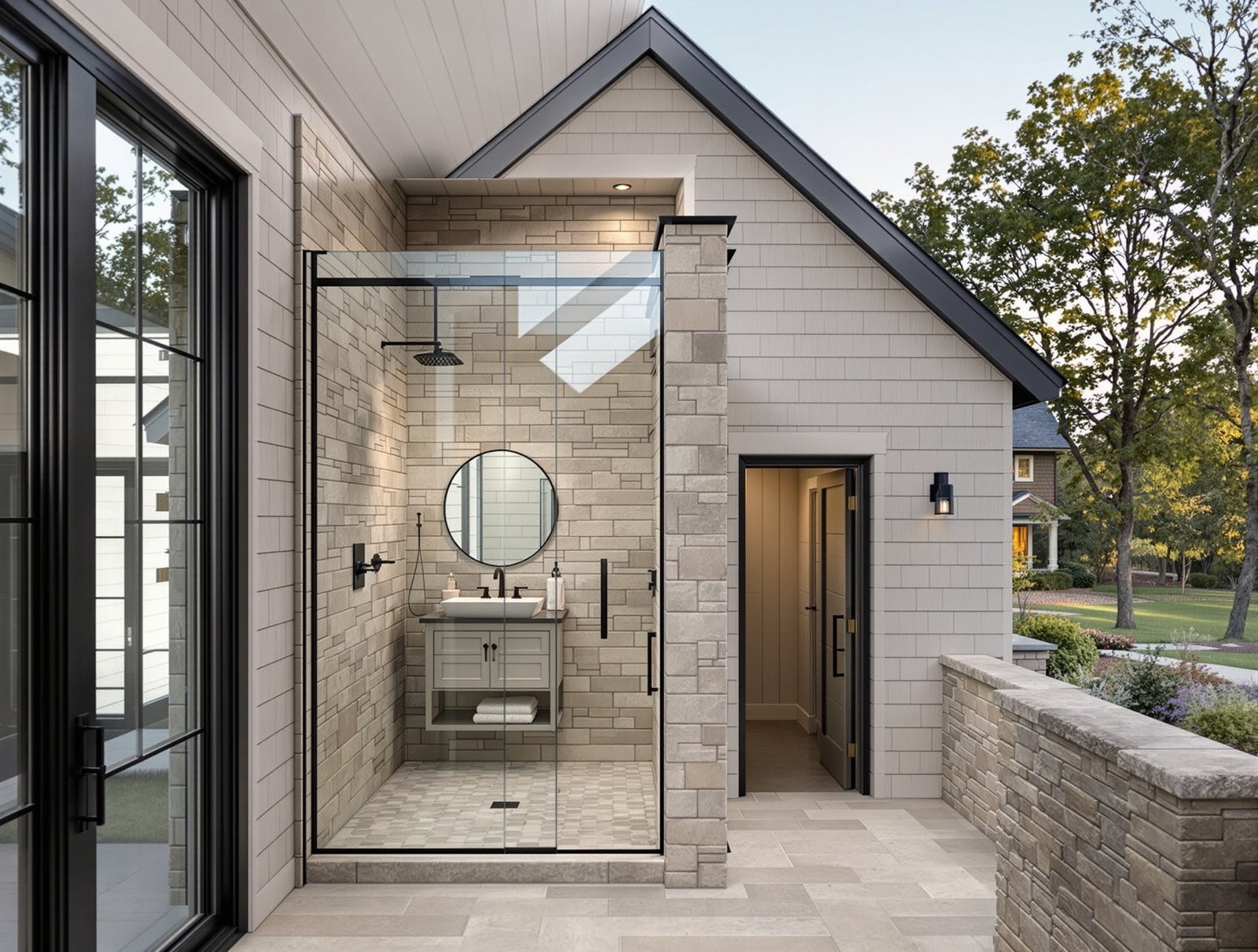
Pennsylvania ADU bathroom interior
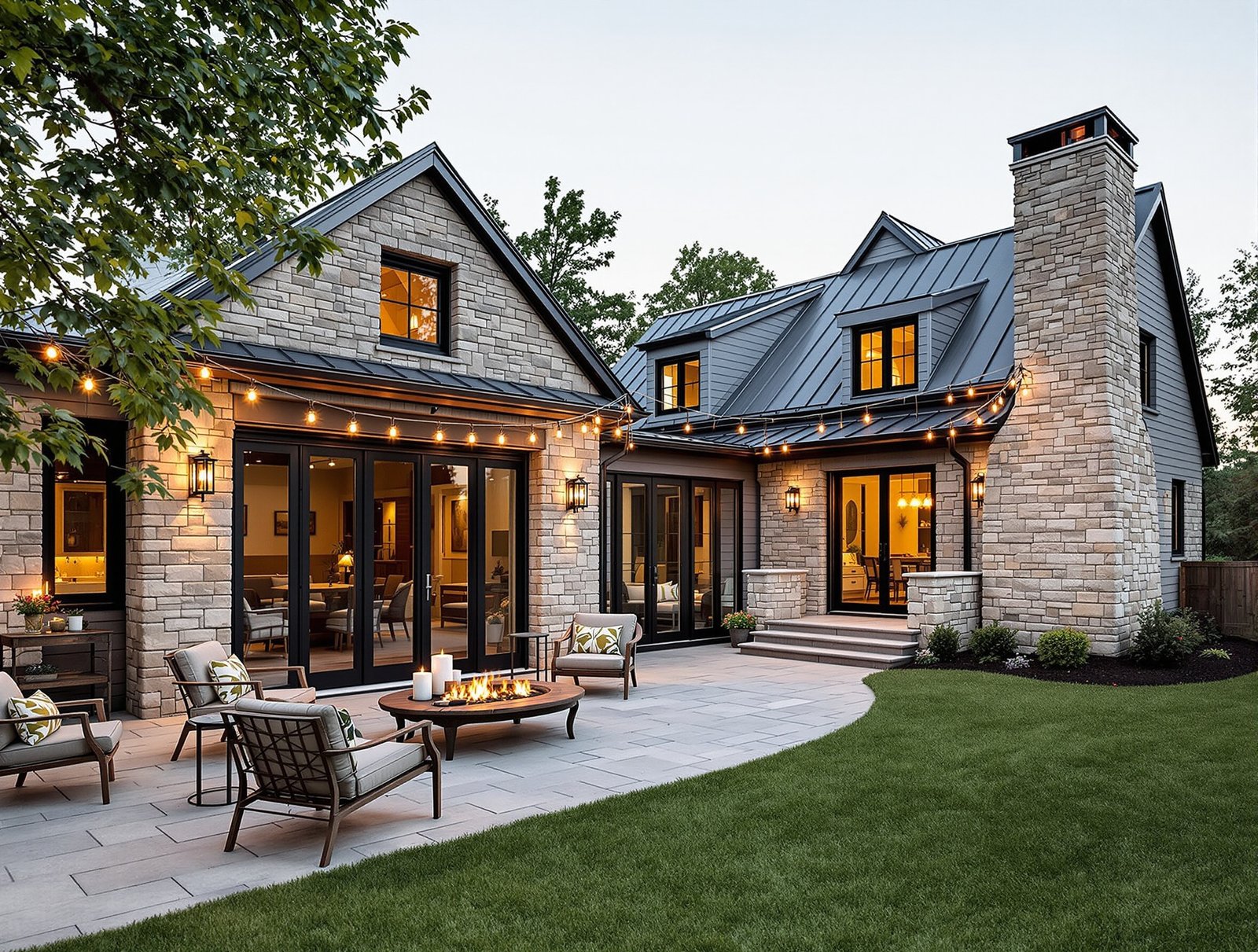
Pennsylvania ADU outdoor living and patio space
Planning & Inspiration
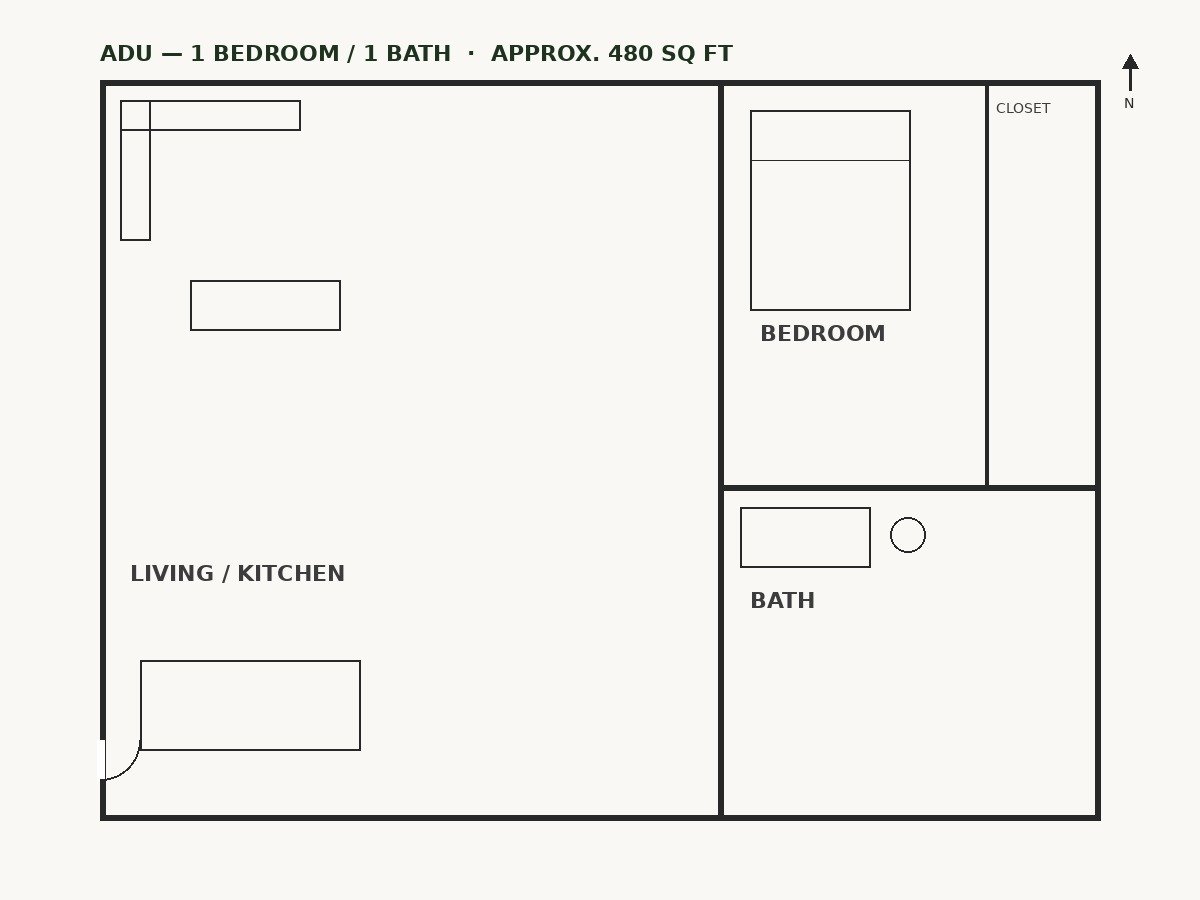
Planning Reference
Example 1-bedroom ADU floor plan, illustrative layout
Example Floor Plan

Illustrative 1-bedroom layout. Actual floor plans vary by ADU type, size, local code, and homeowner needs.

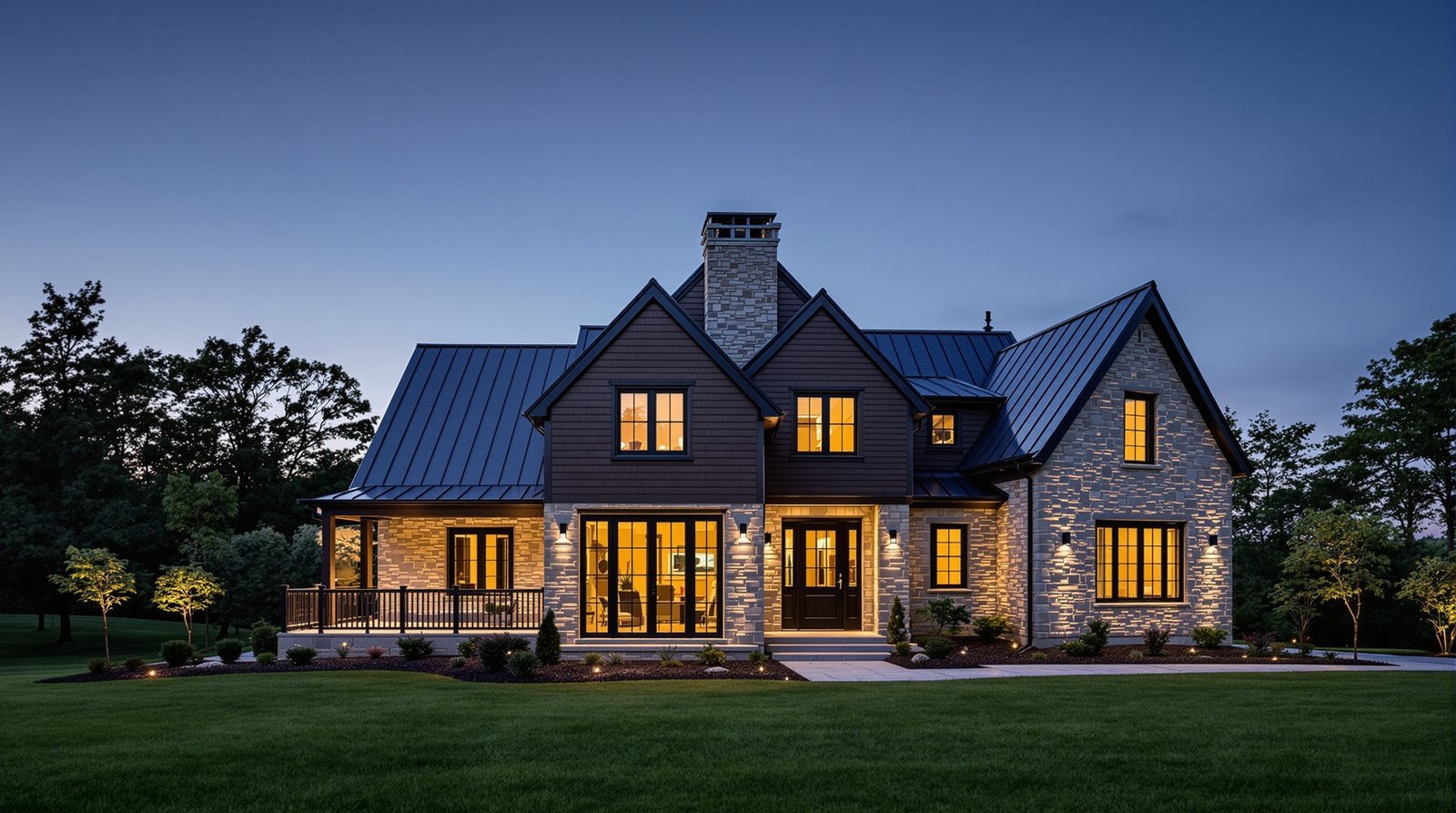
Pennsylvania ADU exterior at twilight, warm interior light glowing
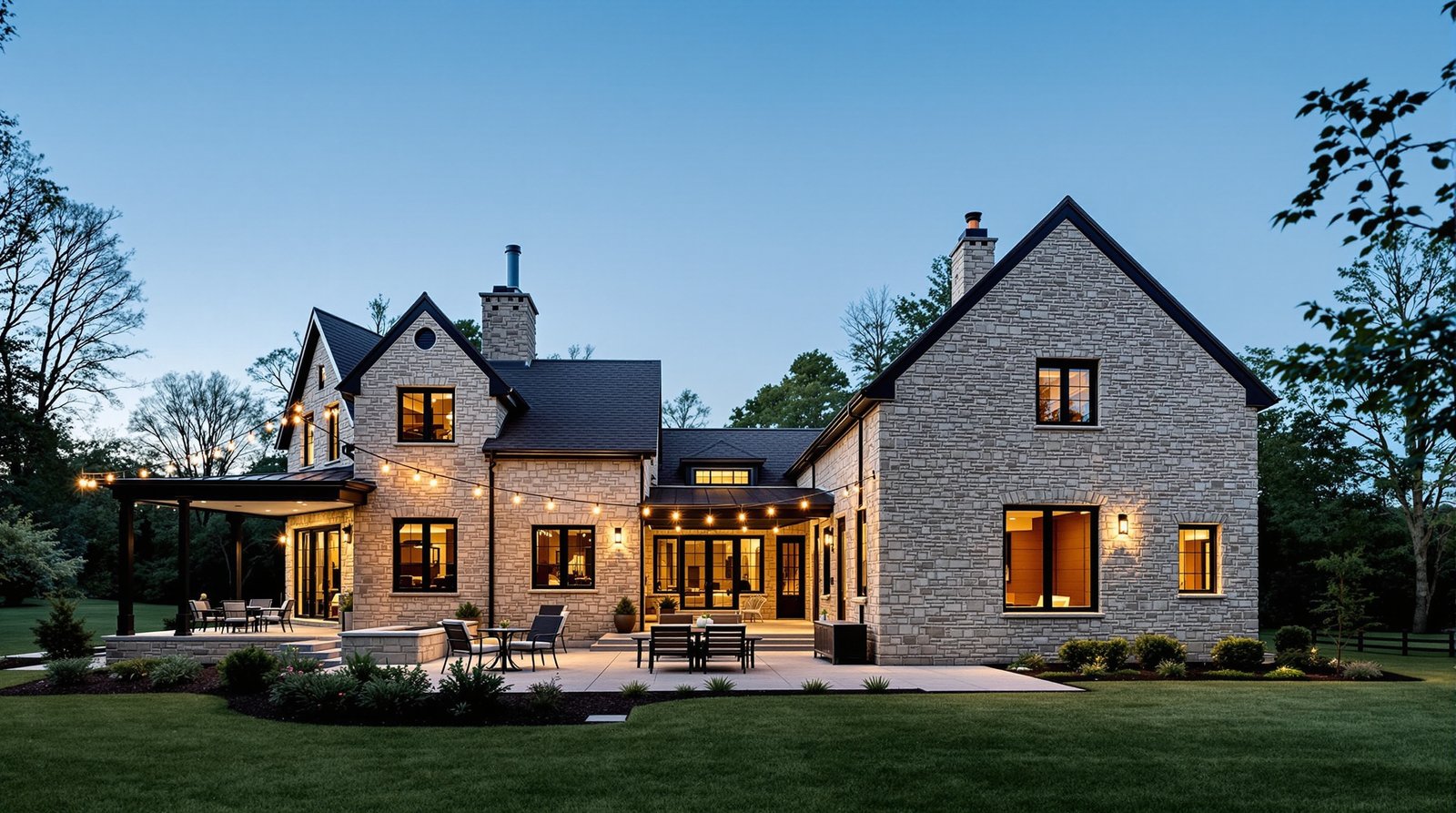
Pennsylvania ADU and main house evening backyard view
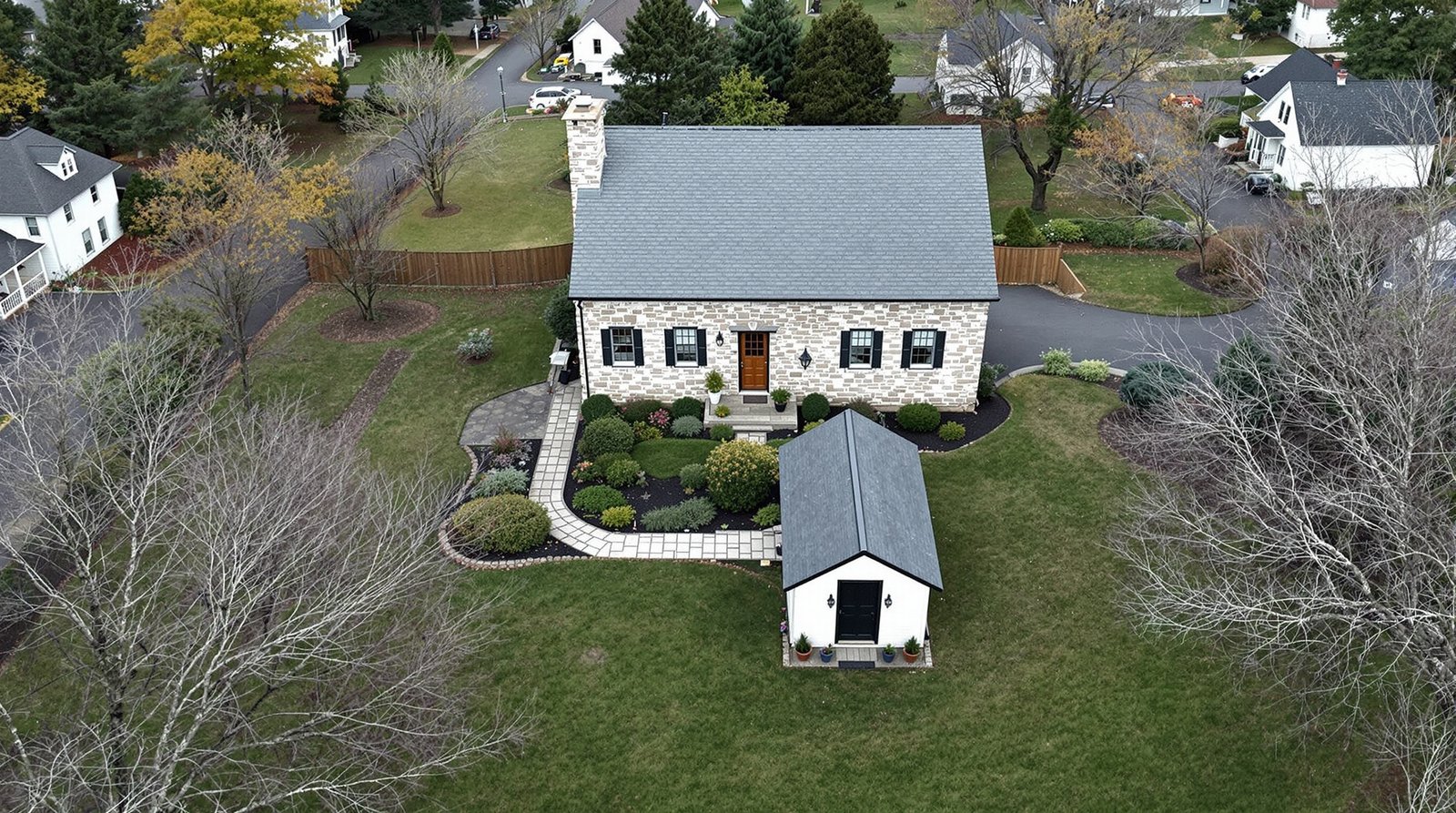
Aerial view of Pennsylvania property with backyard ADU
At a Glance

Pennsylvania ADU costs — by type.

Detached ADU
$130K – $290K
New construction · Philadelphia skews highest, Pittsburgh 30–40% less
🏡
Attached ADU
$95K – $220K
Shares one wall · lower site-work cost than detached
🔗
Garage / Carriage House
$70K – $170K
Pittsburgh's carriage-house tradition · very affordable
🚗
Basement Apartment
$55K – $120K
Most affordable · Pennsylvania's older stock is nearly universally basement-equipped
⬇️
Modular / Prefab
$80K – $200K
Factory-built · fastest construction timeline
📦
💡

Local control: Local rules control. No broad statewide ADU siting mandate was identified in this review. City, county, zoning, building, utility, and site rules control. Permit fees and review timing remain planning estimates until confirmed for the specific property.

Calculate My ROI →
ADU Types

Which type fits your property?

01 / Highest Value
Detached ADU
$130K – $290K

New detached construction is permitted in most PA residential zones where lot size allows. Philadelphia runs $170K–$270K; Pittsburgh runs $130K–$210K, reflecting lower local construction labor costs.

Detached ADU Guide →
02 / Pittsburgh Tradition
Garage / Carriage House
$70K – $170K

Pittsburgh's hillside neighborhoods — Lawrenceville, Shadyside, Squirrel Hill — have a rich tradition of detached carriage houses ideal for conversion, typically $70K–$140K. A rear garage conversion in Philadelphia's Fishtown or Northern Liberties runs $90K–$170K.

Garage Conversion Guide →
03 / Fastest Build
Modular / Prefab
$80K – $200K

Factory-built construction offers the fastest, most predictable timeline of any ADU type — a real advantage given Philadelphia's multi-month L&I permit review process.

Prefab ADU Overview →
04 / Smaller Lots
Attached ADU
$95K – $220K

Shares one wall with the primary residence, reducing site-work cost versus detached construction. A practical option on Philadelphia's narrow rowhouse lots where a detached structure isn't feasible.

Attached ADU Guide →
05 / Most Affordable
Basement Apartment
$55K – $120K

Pennsylvania's older housing stock is nearly universally basement-equipped. Philadelphia's rowhouse basements require egress window installation; Pittsburgh's full basements are often partially finished already — both have strong demand from students and young professionals.

Basement ADU Guide →
Cost by Region

Every Pennsylvania market is different.

Philadelphia (Close-In)
Fishtown · South Philly · West Philly
$154K–$217K
$220–$310 per sq ft
Highest cost
Main Line / Chester County
Suburban Philadelphia
$154K–$210K
$220–$300 per sq ft
High
Pittsburgh (Inner Ring)
Lawrenceville · Shadyside
$112K–$161K
$160–$230 per sq ft
Moderate
Central & Eastern PA
Harrisburg · Allentown · State College
$105K–$164K
$150–$235 per sq ft
Most affordable
Cost Factors

Why Pennsylvania ADUs cost what they cost.

👷
Labor Rates
Philadelphia's labor market runs at a premium compared to Pittsburgh, whose revitalizing neighborhoods offer some of the most affordable construction costs of any major East Coast city.
Pittsburgh 30–40% below Philadelphia
🏚️
Older Housing Stock
Pennsylvania's older rowhouse and hillside housing stock creates unique, low-cost conversion opportunities — basements, rear garages, and carriage houses — not available in newer Sun Belt markets.
Lowers entry cost significantly
🏛️
Philadelphia L&I Review
Philadelphia's Licenses and Inspections Department handles ADU permitting and typically takes 3–5 months for review. Pre-application consultations are available and recommended to avoid costly rework.
3–5 months typical review
⚖️
Current ADU Legal Framework
No broad statewide ADU siting mandate was identified in this review. City, county, zoning, building, utility, and site rules control.
Local control · Local rules control
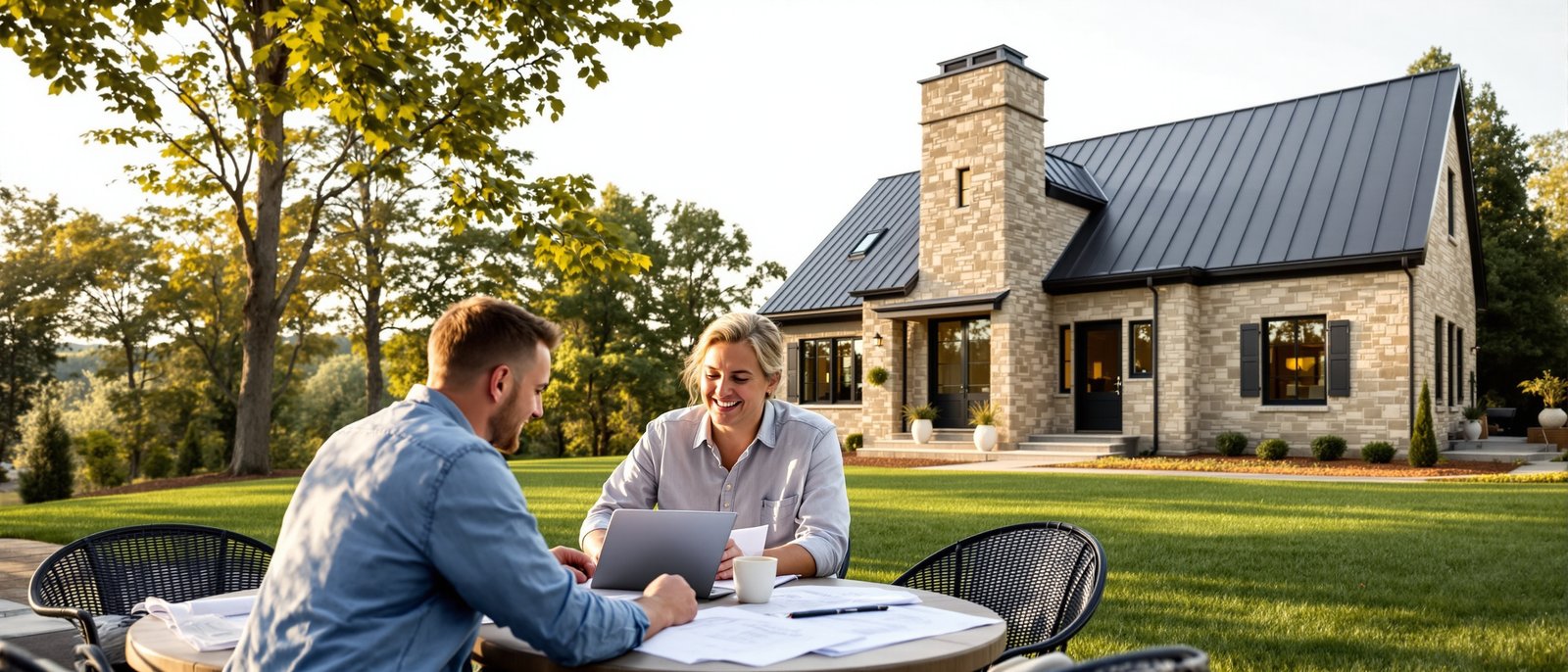
Homeowners reviewing ADU permit documents
Permits & Fees

What permitting actually costs.

No broad statewide ADU siting mandate was identified in this review. City, county, zoning, building, utility, and site rules control. The detailed figures below are representative planning ranges, not a statewide fee schedule or review-time guarantee.

📄
Building Permit
$3,000 – $7,000
Based on project valuation.
🏛️
Zoning / L&I Review
$1,000 – $3,000
Philadelphia's Licenses & Inspections review.
💧
Utility Connection
$2,500 – $8,000
Sewer, water, electrical.
📐
Plan Review
$800 – $2,000
Structural review.
🧾
Total Typical Range
$8,000 – $20,000
Philadelphia; lower in Pittsburgh.
Verified August 5, 2026 · Local control
Local rules control

No broad statewide ADU siting mandate was identified in this review. City, county, zoning, building, utility, and site rules control.

Legal classificationLocal control
Governing frameworkLocal rules control
Representative permit fees$3,000 – $7,000
Representative review timeVerify locally
Local verificationRequired

Source: NationwideADU 51-jurisdiction law directory →

Verify the property before design

These are planning benchmarks, not a permit quote, eligibility ruling, or legal opinion. Confirm zoning, building, utility, site, private-covenant, fee, and timing requirements with the current local authorities. See the 51-jurisdiction law directory and national permit guide.

Return on Investment

Pennsylvania ROI planning inputs.

$875–$1,400
Adopted statewide 1-bedroom rent range
15%
National property-value planning input
10%–20%
Property-value uncertainty range
30%
Operating-expense planning reserve
Rent source
HUD FY2026 revised
One-bedroom FMR market basket
Exact HUD mappings
ROI-CM-1.4
Home-value source
Statewide Zillow ZHVI
June 30, 2026
One statewide input
Not a valuation
Payback period
Calculated live
Budget, ADU type, size and rent
No static statewide promise
Full methodology
Transparent sources
HUD, Census PUMS, Zillow and FHFA
Planning estimate, not a valuation
Save Money

5 ways to cut your
Pennsylvania ADU cost now.

Pennsylvania's older housing stock creates conversion opportunities most states don't have — these moves help you capture the savings and avoid the most common delays.

Calculate My ADU ROI →
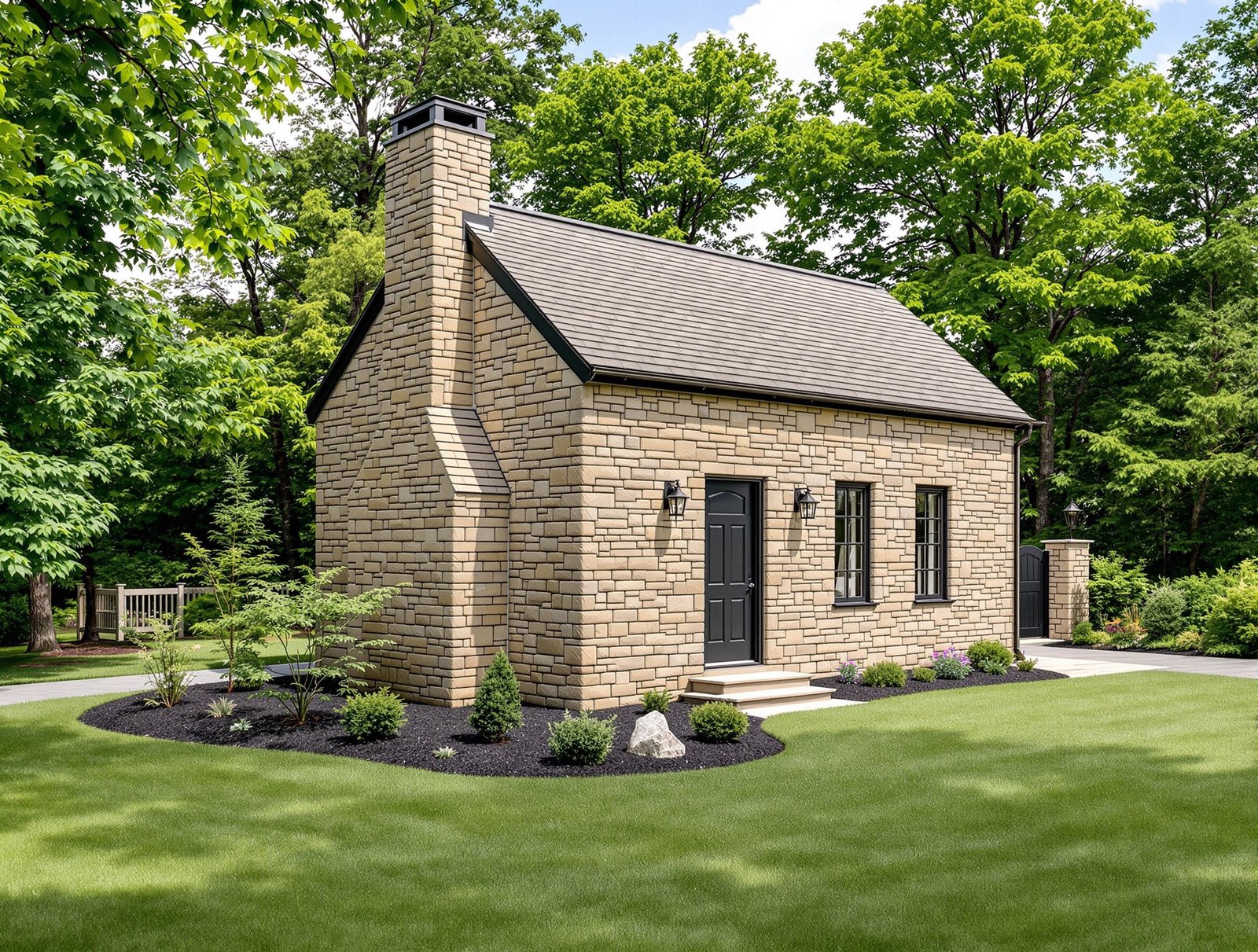
Compact detached ADU exterior
🏡
Compact Detached ADU
Pennsylvania — statewide range
Property-Value Planning Input
15%
1
Convert your basement or garage before building new
Pennsylvania's older housing stock is nearly universally basement-equipped, and Pittsburgh's carriage houses are ideal for conversion. Both options cost roughly half of new detached construction while generating comparable rental income.
Saves up to 50–60% vs. new construction
2
Consider Pittsburgh over Philadelphia for maximum ROI
An ADU that costs $300K+ in Philadelphia can often be built for $150K–$180K in Pittsburgh with comparable or better ROI, thanks to Pittsburgh's below-market construction costs and strong CMU/Pitt university demand.
Can save 30–40% for similar returns
3
Use Philadelphia's L&I pre-application consultation
Philadelphia's Licenses and Inspections Department offers pre-application consultations. Use one to identify zoning or design issues before investing in full architectural drawings — permit review already runs 3–5 months, so avoid needless resubmission cycles.
Avoids costly resubmission delays
4
Get a minimum of three contractor bids
Contractor pricing for ADU projects in Pennsylvania varies significantly between Philadelphia and Pittsburgh, and even within neighborhoods. Getting three bids from contractors with local ADU permit experience is the most reliable way to avoid overpaying.
Prevents overpayment
5
Verify your contractor's state and city registration
Pennsylvania requires home improvement contractors to register with the Attorney General's Office under the Home Improvement Consumer Protection Act. Verify at attorneygeneral.gov — and in Philadelphia, confirm the contractor also holds a city license at phila.gov/li.
Protects your permit and investment
Frequently Asked Questions

Pennsylvania ADU answers.

How much does an ADU cost in Pennsylvania?
ADU costs in Pennsylvania range from $55,000 for a basement or garage conversion to $290,000 for a large detached new build in Philadelphia. Pittsburgh offers comparable ADUs at 30–40% less than Philadelphia, reflecting lower local construction labor costs. See the regional breakdown above for market-specific data.
Does Philadelphia allow ADUs?
Yes. Philadelphia's zoning code allows ADUs in residential zones under the Philadelphia Code. The L&I (Licenses and Inspections) Department handles permitting — budget 3–5 months for permit review. L&I pre-application consultations are available and recommended.
What are the best Philadelphia neighborhoods for ADU investment?
South Philly, East Passyunk, Fishtown, Northern Liberties, Kensington, and West Philadelphia near Drexel and Penn are the strongest markets — combining improving property values, strong young professional and student demand, and housing stock with good ADU conversion potential.
Is Pittsburgh a good ADU investment market?
Yes. Pittsburgh has below-market construction costs, improving neighborhoods (Lawrenceville, Polish Hill, East Liberty), strong university demand from CMU and Pitt, and a growing tech and healthcare sector. An ADU that costs $300K+ in Philadelphia can often be built for $150K–$180K in Pittsburgh with comparable or better ROI.
Does Pennsylvania have an owner-occupancy requirement?
No statewide rule — it varies by municipality. Philadelphia does not require owner-occupancy. Some suburban municipalities may impose it — always verify locally before beginning design.
How do I verify a contractor in Pennsylvania?
Pennsylvania requires home improvement contractors to register with the Attorney General's Office under the Home Improvement Consumer Protection Act. Verify registration at attorneygeneral.gov. Philadelphia also requires a city contractor license — verify at phila.gov/li.
What is the ROI on an ADU in Pennsylvania?
The adopted Pennsylvania one-bedroom planning range is $875–$1,400 per month, derived from the HUD FY2026 revised FMR market basket under ROI-CM-1.4. Payback is calculated from the homeowner's budget, ADU type, size, rent range, and a 30% operating-expense reserve. Property value uses a 15% national planning input with a 10%–20% uncertainty range; it is not a valuation.
Ready to find out what your ADU will actually cost?

Start with the ROI calculator. Free, no signup, no contractor pitch. Just the data.

Planning Disclaimer: Cost, fee, and timeline ranges are approximations for education and early planning; actual requirements and costs vary with the property, local authority, utilities, site conditions, design, and contractor. The Pennsylvania legal classification and framework shown here were verified on August 5, 2026, but they do not determine parcel eligibility and are not legal advice. Confirm current zoning, building, utility, private-covenant, fee, and timing requirements directly with the applicable authorities before design or construction. Obtain at least three contractor bids before committing to a project budget. Last updated August 2026.