Frequently Asked Questions
Iowa ADU answers.
Does Iowa have a statewide ADU law?
Yes. Senate File 592, signed by Governor Kim Reynolds on May 1, 2025 and effective July 1, 2025, added new subsections to Iowa Code §§ 364.3 (cities) and 331.301 (counties) requiring every city and county to allow at least one ADU on a single-family lot. It bars appearance standards stricter than those for single-family homes, extra parking requirements beyond the primary residence, restrictions based on owner-occupancy, family relationship, or age/income, and differential impact fees — and requires compliant applications to be approved without discretionary review. Local permits and safety codes still apply; verify the current rules for the property before design or construction.
What exactly does Iowa's SF 592 ADU law require?
SF 592 made Iowa the 14th state to adopt statewide ADU authorization. It requires cities and counties to permit at least one ADU per single-family lot without discretionary review — meaning a compliant application must be approved following standard ministerial timelines, not sent through a case-by-case hearing process. It also removed local owner-occupancy mandates (Des Moines, for example, had previously required the owner to live in either the main home or the ADU), and it prohibits cities from imposing appearance standards, parking requirements, or impact fees on ADUs that are stricter than what applies to a single-family home on the same lot.
How much does an ADU cost in Iowa?
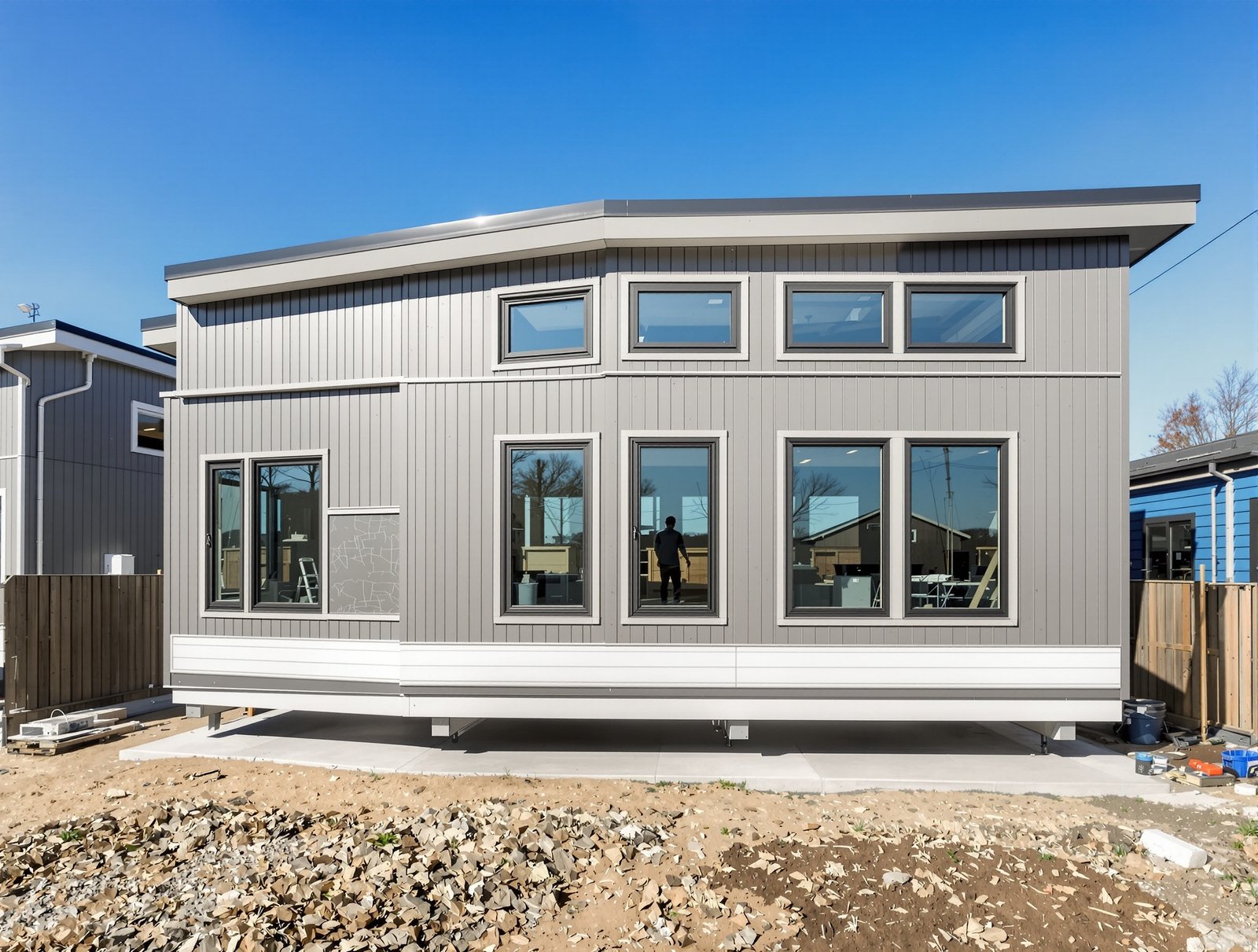
ADU costs in Iowa typically range from $110,000 to $220,000 for a detached unit, with higher costs in Des Moines, Iowa City, and West Des Moines due to labor demand and utility connections. Conversions run lower, often $50,000–$150,000.
Do cities still control ADU permitting under the new Iowa law?
Yes. Iowa's 2025 law guarantees the right to build an ADU and limits how restrictive local design, setback, and lot-coverage rules can be — but cities still administer the actual permitting process, including plan review and inspections.
How long does it take to get an ADU permit in Iowa?
The representative ADU permit-review planning timeline for Iowa is up to 60 days for initial planning-department approval, with SF 592's elimination of discretionary review meant to keep that step from dragging out further. This is not a statewide deadline or guarantee. Timing can change with the local authority, project complexity, corrections, utilities, site conditions, and application completeness; confirm the current timeline locally.
What is the cheapest ADU to build in Iowa?
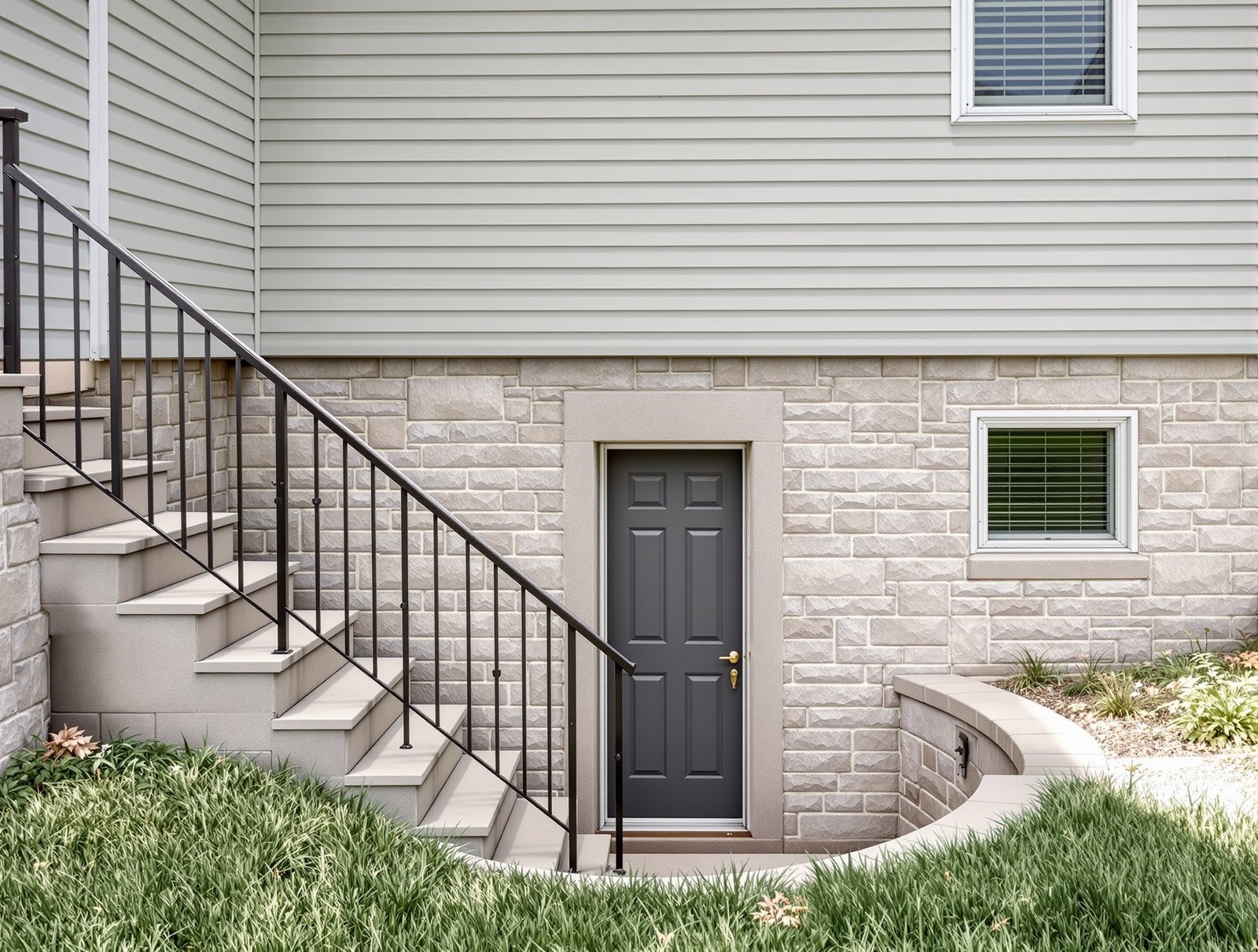
Garage and basement conversions are generally the least expensive option, often $50,000–$150,000, using an existing structure to reduce cost versus new detached construction.
Does Des Moines offer any ADU incentives?
Yes. Des Moines currently offers a 10-year property tax abatement on the value an ADU adds to your property, helping offset the tax burden that typically follows a permitted addition.
What is the ROI on an ADU in Iowa?
The adopted Iowa one-bedroom planning range is $750–$1,025 per month, derived from the HUD FY2026 revised FMR market basket under ROI-CM-1.4. Payback is calculated from the homeowner's budget, ADU type, size, rent range, and a 30% operating-expense reserve. Property value uses a 15% national planning input with a 10%–20% uncertainty range; it is not a valuation.