2026 Cost Guide · Updated July 2026

ADU Cost in Colorado — Denver, Boulder, Colorado Springs & Statewide

City-by-city ADU cost data across Colorado's major markets. Built from permit records, contractor data, and regional labor rates.

$160K–$340K Detached ADU range
$90K–$200K Garage conversion (lowest cost)
HB 24-1152 Subject jurisdictions must allow 1 ADU/lot
Design match required Most cities require matching materials/roofline
At a Glance

Colorado ADU costs — by type.

Detached ADU
$160K – $340K
Boulder skews highest of any Colorado market
🏡
Attached ADU
$140K – $280K
Shared utility hookups reduce connection cost
🔗
Garage Conversion
$90K – $200K
Most affordable Colorado option statewide
🚗
Basement Conversion
$110K – $220K
Common internal-ADU option; some cities allow whole-floor conversions
⬇️
Modular / Prefab
$150K – $260K
Compact models (597–848 sqft) common along the Front Range
📦
Junior ADU
$45K – $95K
Converted interior space within the existing home footprint
🚪
💡

HB 24-1152 guarantees an administrative right to build — in "subject jurisdictions." Since June 30, 2025, municipalities with 1,000+ residents inside a Metropolitan Planning Organization (and certain unincorporated county areas over 40,000) must allow at least one ADU per single-unit detached lot, with no public hearing required. Rural areas outside an MPO, like parts of Garfield County, aren't covered by the mandate — though some allow ADUs voluntarily anyway.

Calculate My ROI →
ADU Types

Which type fits your property?

01 / Most Common
Detached ADU
$160K – $340K

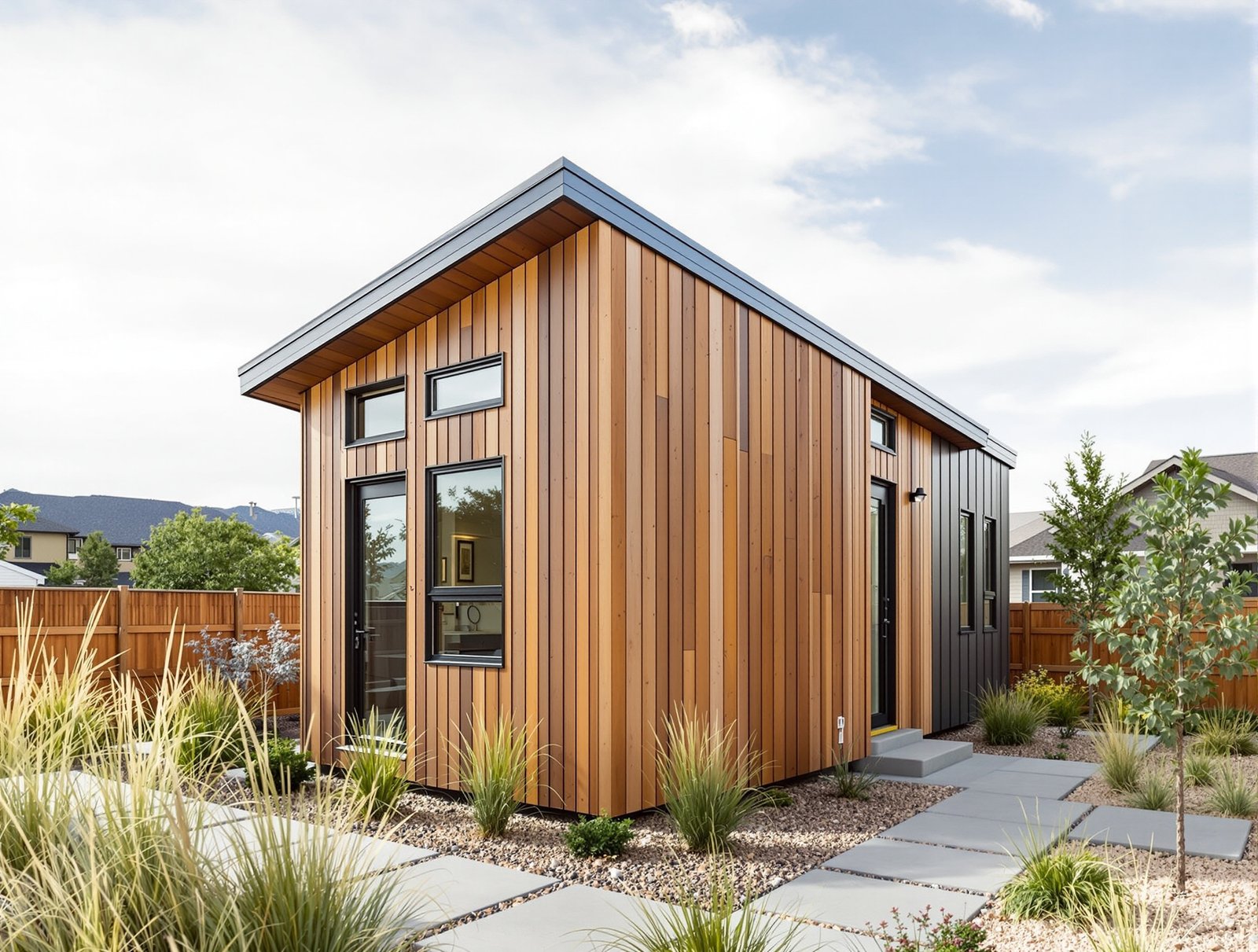
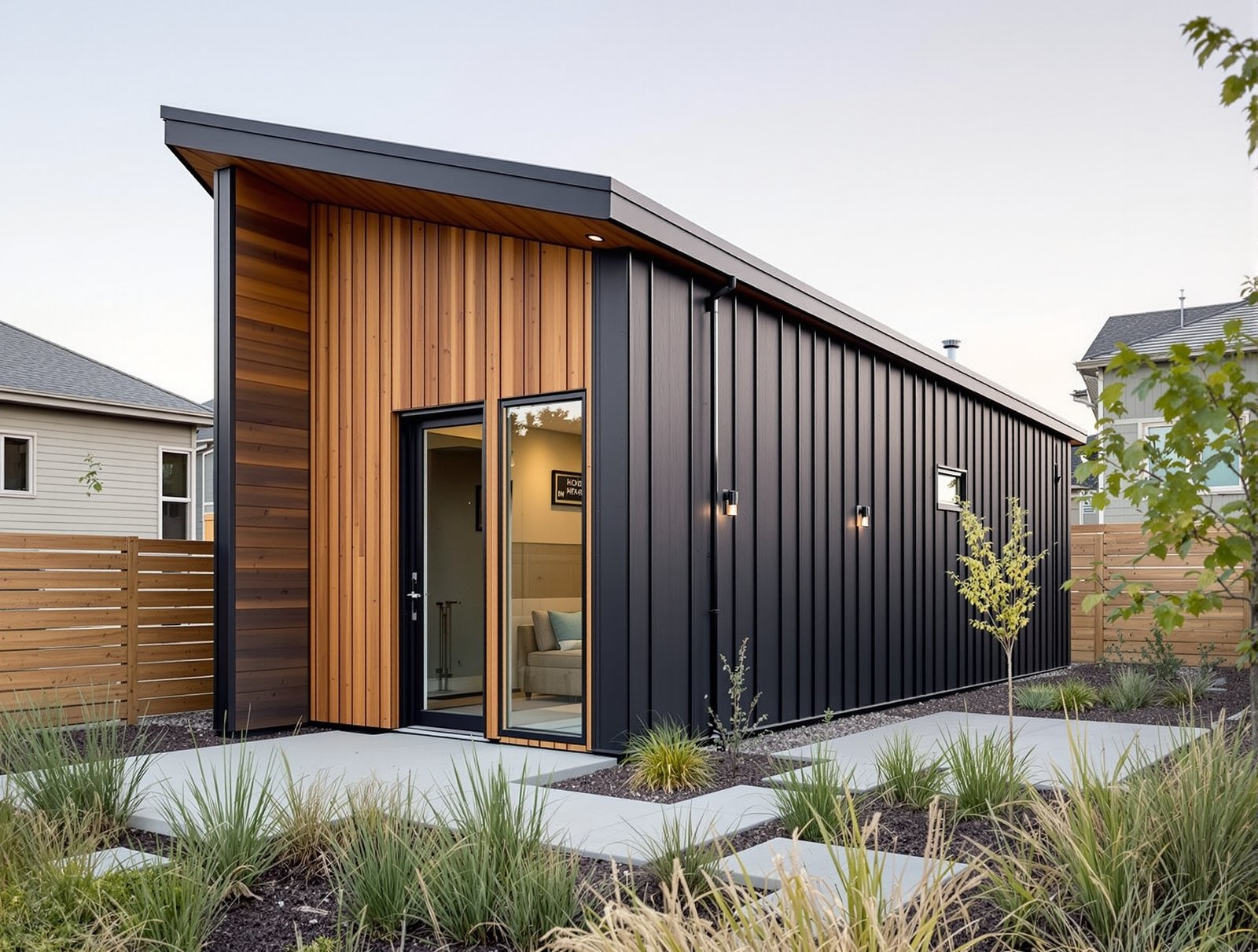
Freestanding backyard structure. Most Colorado municipalities require the ADU to match or complement the primary residence in materials, roof pitch, and finish. Boulder and Fort Collins push toward the top of this range.

Detached ADU Guide →
02 / Shared Utilities
Attached ADU
$140K – $280K

A new addition connected to the main home, such as a ground-floor suite or a converted garage with the interior door sealed off. Shared utility connections reduce hookup costs versus a fully detached unit.

Attached ADU Guide →
03 / Most Affordable
Garage Conversion
$90K – $200K

A converted garage with the interior door to the main house sealed off, classified as an attached ADU under Colorado law. One of the most cost-efficient paths to an ADU along the Front Range.

Garage Conversion Guide →
04 / Common Internal ADU
Basement Conversion
$110K – $220K

An internal ADU — a basement conversion, attic buildout, or repurposed floor space. Some municipalities, including Golden, allow whole-floor internal conversions without a hard square footage cap.

Basement ADU Guide →
05 / Fastest Timeline
Modular / Prefab
$150K – $260K

Compact prefab models (roughly 597–848 sqft) are increasingly common along the Front Range, engineered for Colorado's high-altitude climate and snow loads.

Prefab ADU Overview →
06 / Lowest Cost
Junior ADU
$45K – $95K

A converted interior space within the existing home footprint, with its own private entrance — often the most HOA-compatible and cost-effective ADU option in Colorado.

Junior ADU Overview →
Cost by Region

Every Colorado market is different.

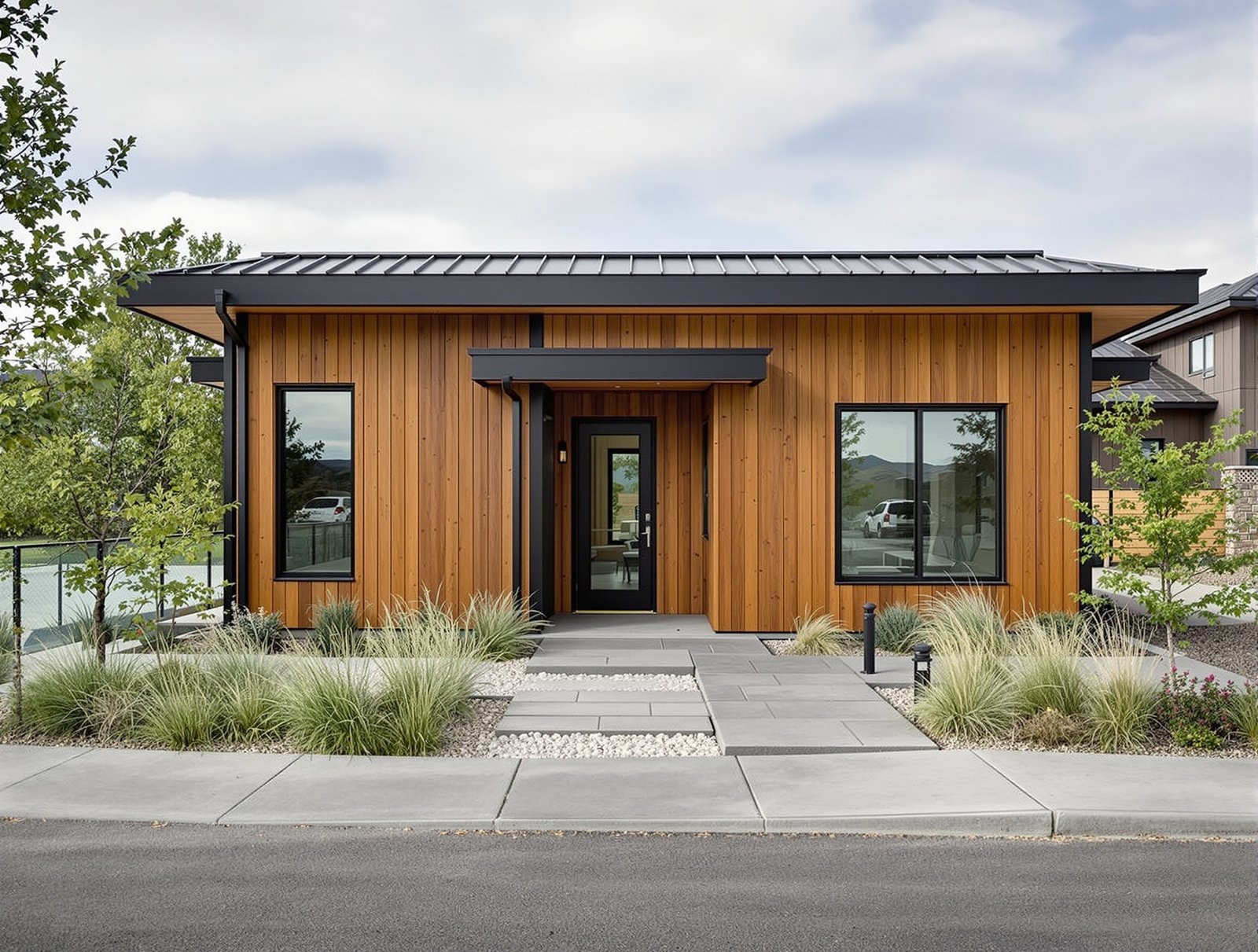
Denver, Colorado ADU regional photo
Denver Metro
Denver · Aurora · Lakewood
$170K–$320K
Before 2024, only ~15% of Denver's land was ADU-eligible
High
Boulder, Colorado ADU regional photo
Boulder
Boulder County
$190K–$340K*
Colorado's single most expensive rental & construction market
Highest cost
Colorado Springs, Colorado ADU regional photo
Colorado Springs
El Paso County
$150K–$270K*
Roughly 30–40% below Denver for a comparable unit
Moderate
Fort Collins, Colorado ADU regional photo
Fort Collins
Larimer County
$165K–$300K*
Runs above Denver, driven by CSU student housing demand
High

*Total-cost ranges outside Denver are derived from regional construction-cost data at a representative ~650 sq ft build; verify against local bids before publishing final figures. Boulder and Fort Collins genuinely run above Denver on cost — this is a sourced market condition, not an error.

Cost Factors

Why Colorado ADUs cost what they cost.

🏔️
High-Altitude Snow Loads
Colorado's building codes require structures to handle significant snow loads, especially at higher elevations. This adds structural engineering and roofing cost compared to milder-climate states.
$8K–$20K added cost
🎨
Design-Match Requirements
Most Colorado municipalities require an ADU to match or complement the primary residence's materials, roof pitch, and exterior finish — the opposite of states like Washington, which explicitly ban this requirement. This limits cost-cutting through mismatched cheaper materials.
Removes a common cost-saving lever
👷
Front Range Labor Demand
Denver, Boulder, and Fort Collins all compete for a tight construction labor pool driven by rapid Front Range population growth. Colorado Springs runs meaningfully more affordable than any of the three.
Boulder & Fort Collins command the highest premium
📋
HB 24-1152 Applies Only to "Subject Jurisdictions"
The law covers municipalities with 1,000+ residents inside a Metropolitan Planning Organization, and certain unincorporated county areas over 40,000 residents. It bans parking minimums and owner-occupancy rules in those areas — but cities retain full authority over size, setbacks, permit fees, and design standards, and HOA covenants are not preempted at all.
Right to build ≠ uniform process
Homeowners reviewing ADU permit documents in Colorado
Permits & Fees

What permitting actually costs.

HB 24-1152 guarantees an administrative approval path in subject jurisdictions, but each city still runs its own fee schedule and design review within that framework.

📄
Building Permit Fee*
$3,500 – $9,500
Denver's online system can approve simple projects in days; complex detached units take 4–8 weeks.
🏛️
Historic District / Landmark Review
$500 – $2,500
Required in addition to standard permitting for historic district properties.
💧
Utility Connection Fees*
$3,000 – $12,000
Water, sewer, electrical; a separate water meter is common for detached units.
📋
Plan Review*
$1,000 – $4,000
Structural review, including snow-load engineering.
🧾
HOA Documents Check
Free – varies
Not a fee, but a required check — HB 24-1152 does not override HOA covenants.
Colorado Law
A right to build — not a uniform process.

HB 24-1152 (effective June 30, 2025) requires "subject jurisdictions" — municipalities with 1,000+ residents inside a Metropolitan Planning Organization, and certain unincorporated county areas over 40,000 — to allow at least one ADU via administrative approval, with no public hearing, no parking minimums, and no owner-occupancy requirement. But cities retain full authority over size, setbacks, permit fees, and design-match standards — Denver's rules differ from Boulder's, which differ from Golden's.

Statewide ADU lawHB 24-1152 (eff. June 30, 2025)
Applies to"Subject jurisdictions" only (MPO-based)
Approval processAdministrative — no public hearing
Owner-occupancy requirementBanned in subject jurisdictions
Design-match requirementCommon — differs from WA/OR
HOA covenantsNot preempted — can still restrict ADU
💡 Get a pre-application meeting on the calendar early

Most Colorado planning departments offer free pre-application meetings, and they can cut weeks off your timeline by flagging setback or design-match issues before a designer touches your lot. Municipalities still updating their code to comply with HB 24-1152 may have longer processing times as staff work through the changes.

Return on Investment

What a Colorado ADU returns.

$900–$2,400
Monthly rental income range statewide (sourced)
10–18 yrs
Modeled payback period (detached)*
$100K–$300K+
Added property value*
Flat 4.4% tax
Colorado has a flat state income tax
Denver
$1,300 – $2,200/mo
1-bed monthly rent (sourced)
10–17 years
Modeled payback*
Boulder
$1,550 – $2,900/mo
1-bed monthly rent (sourced)
10–18 years
Modeled payback*
Colorado Springs
$900 – $2,050/mo
1-bed monthly rent (sourced)
9–17 years
Modeled payback*
Fort Collins
$1,050 – $2,300/mo
1-bed monthly rent (sourced)
10–17 years
Modeled payback*

1-bed rent ranges verified July 2026 against current listings (RentCafe/Yardi Matrix, Zumper, Rent.com, Rentometer). Boulder commands the highest rents of any Colorado market — a genuine, sourced condition tied to its constrained housing supply. *Payback and added-property-value figures are modeled (rent ÷ construction cost) and should be checked against local bids and actual project outcomes before publishing as final.

Save Money

7 ways to cut your
Colorado ADU cost now.

HB 24-1152 already guarantees your administrative right to build in most Front Range cities. These moves target the design, altitude, and timeline factors that remain.

Calculate My ADU ROI →
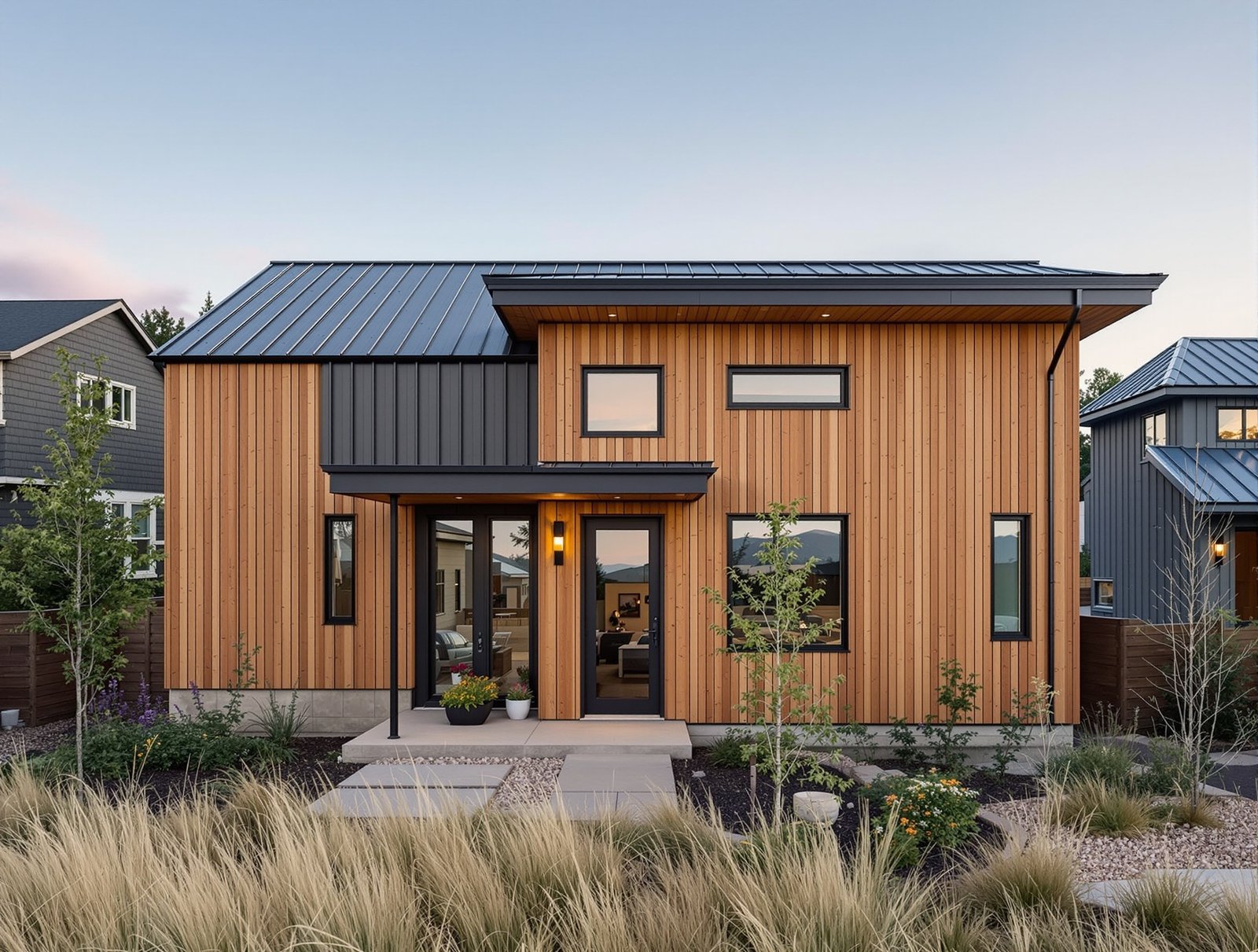
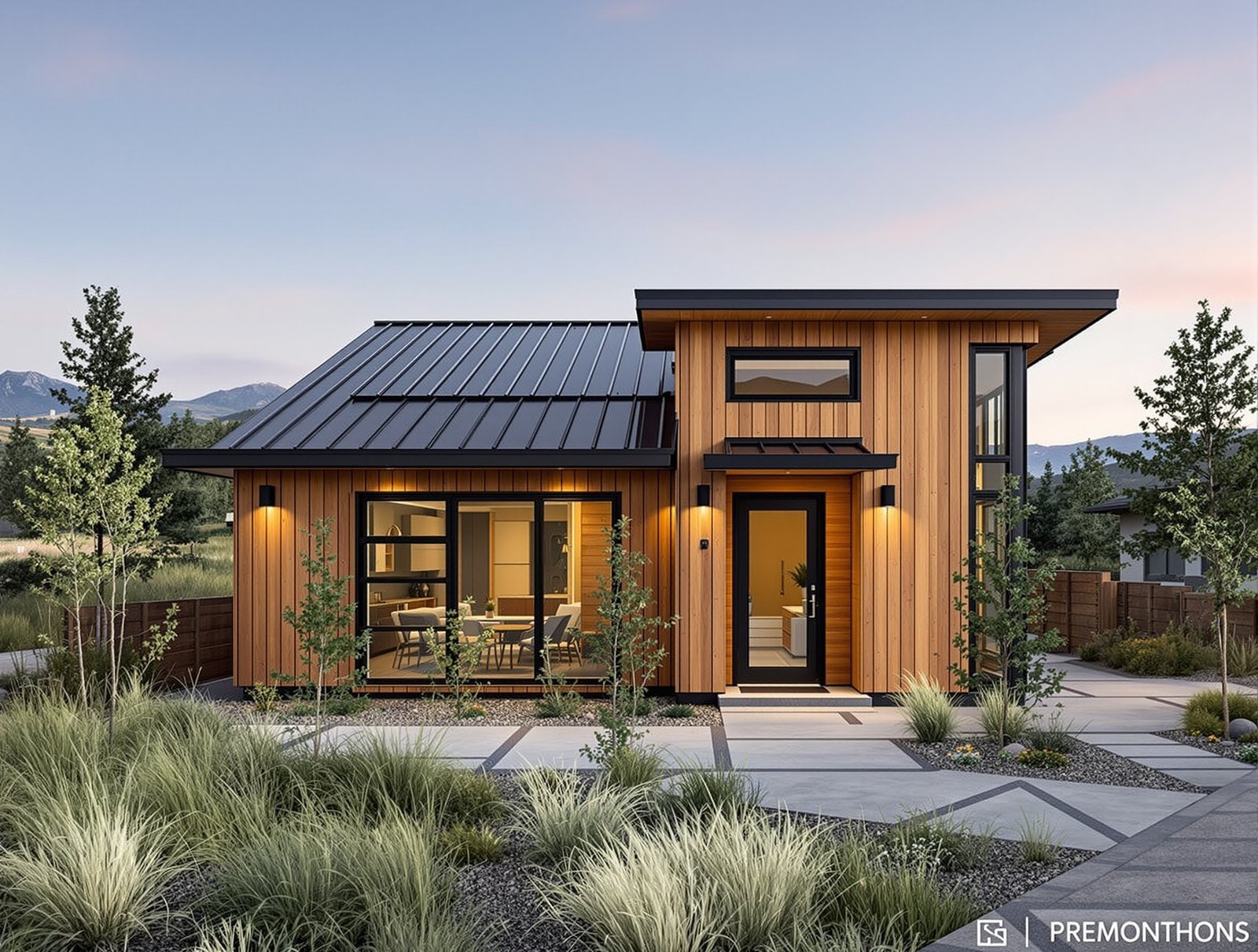
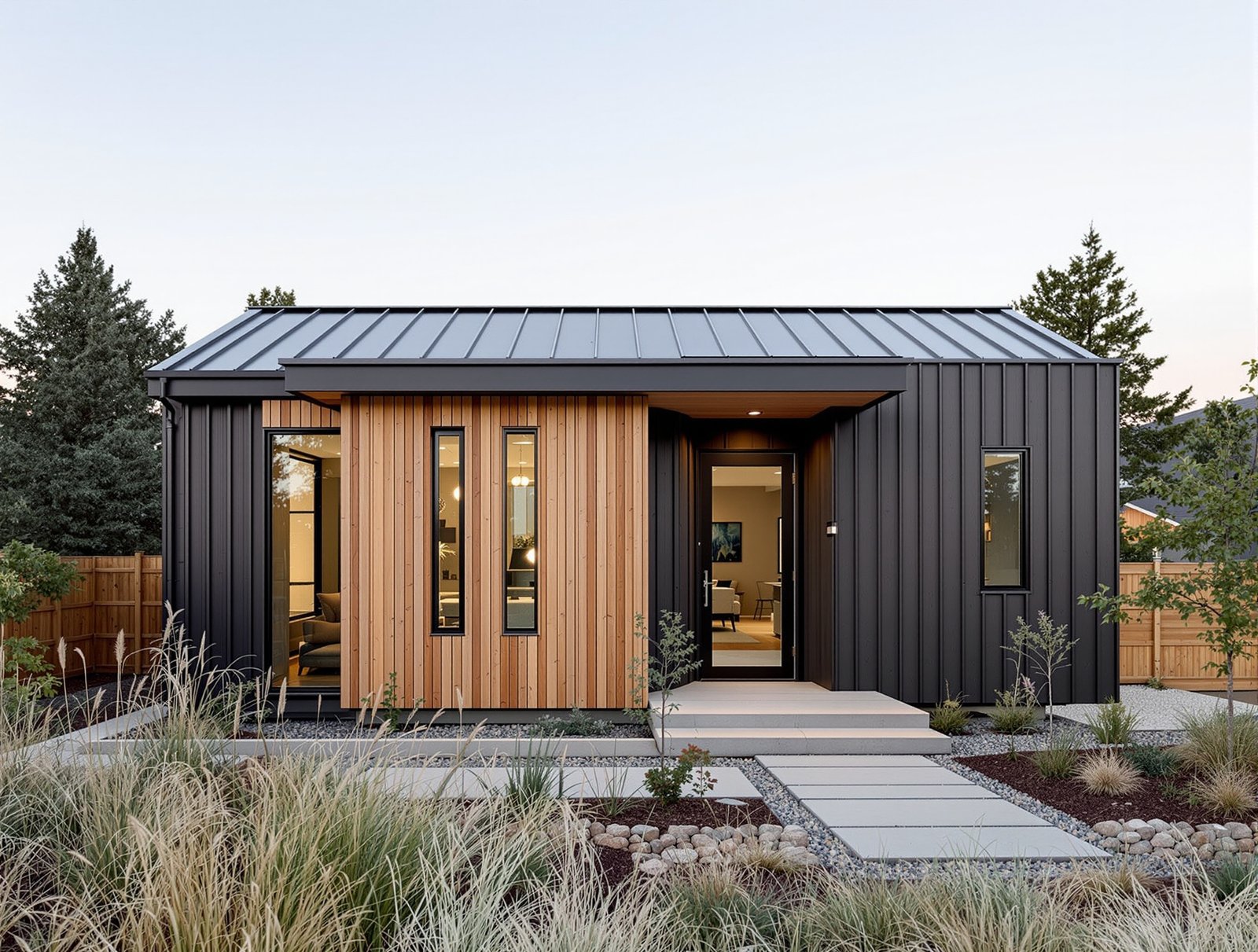
Compact detached ADU exterior with mountain-modern landscaping
🏡
Compact Detached ADU
Colorado — statewide range
Added Property Value
$100K–$300K+
1
Get a pre-application meeting on the calendar early
Most Colorado planning departments offer free pre-application meetings that can cut weeks off your timeline by flagging setback or design-match issues before a designer ever touches your lot.
Free — avoids wasted design fees
2
Consider an internal ADU if your basement qualifies
A basement conversion or attic buildout typically costs $110,000–$220,000, and some municipalities like Golden allow whole-floor internal conversions without a hard square footage cap.
Often 20–35% less than new detached construction
3
Convert a garage with the interior door sealed off
Under Colorado law, a converted garage with the connecting door sealed off qualifies as an attached ADU — one of the most cost-efficient paths to a legal second unit along the Front Range.
Saves 40–55% vs. new construction
4
Design to match the primary home from the start
Most Colorado municipalities require ADUs to match or complement the primary residence in materials, roof pitch, and finish. Designing to this standard from day one avoids costly revisions during plan review.
Avoids redesign cycles during review
5
Budget for snow-load engineering from day one
Colorado's building codes require structures to handle significant snow loads, especially at higher elevations. Pricing this into your initial budget avoids a mid-project change order.
Avoids mid-project change-order costs
6
Look into Colorado's ADU Grant Program
The state's Division of Local Government runs an Accessory Dwelling Unit Grant Program (ADUG) for jurisdictions certified as "ADU Supportive." Ask your local planning department whether your city participates.
Varies by jurisdiction and eligibility
7
Verify your HOA covenant language before designing
HB 24-1152 governs municipal zoning, not private HOA covenants — some HOAs retain the ability to restrict ADU construction depending on when the CC&Rs were written. If the language is ambiguous, consult a Colorado real estate attorney before spending on design.
Prevents thousands in wasted design fees
Frequently Asked Questions

Colorado ADU answers.

Does Colorado have a statewide ADU law?
Yes, for "subject jurisdictions." House Bill 24-1152, effective June 30, 2025, requires municipalities with 1,000+ residents inside a Metropolitan Planning Organization, and certain unincorporated county areas with 40,000+ residents, to allow at least one ADU per single-unit detached lot via administrative approval — no public hearing required, no parking minimums, no owner-occupancy requirement.
Does every Colorado city have to allow ADUs?
No. HB 24-1152 only applies to "subject jurisdictions" within a Metropolitan Planning Organization above certain population thresholds. Rural counties and small towns outside an MPO, such as Garfield County, are not covered by the mandate, though some allow ADUs voluntarily anyway.
Does Colorado require ADUs to match the main house?
Most Colorado municipalities still require ADUs to match or complement the primary residence in materials, roof pitch, and exterior finish. This is different from states like Washington, which explicitly ban this kind of design-matching requirement.
Can my HOA block my Colorado ADU even though state law allows it?
Possibly. HB 24-1152 governs municipal zoning, not private HOA covenants, which remain private contracts. Some HOAs retain the ability to restrict ADU construction depending on when the CC&Rs were written and how they're structured. Review your HOA documents carefully, and consult a Colorado real estate attorney if the language is ambiguous, before spending money on design or permits.
How long does ADU permitting take in Colorado?
It varies by jurisdiction and complexity. Denver's online permitting system can return over-the-counter approvals for simple projects within a few business days, while larger detached ADUs may need a full plan review taking 4–8 weeks. Historic district properties require an additional Landmark review before building permits are issued.
What is the cheapest ADU to build in Colorado?
A Junior ADU — a converted interior space within the existing home footprint — is typically the cheapest option at $45,000–$95,000. Garage conversions are the next most affordable at $90,000–$200,000, and often the most HOA-compatible detached-style option since no new structure is added.
Why is Boulder more expensive than Denver for ADU construction?
Boulder consistently ranks among the most expensive rental and construction markets in the country, driven by a severely constrained housing supply relative to demand. Fort Collins similarly runs above Denver, driven by Colorado State University student housing demand. This is a genuine, sourced market condition — not every Front Range city behaves like Denver.
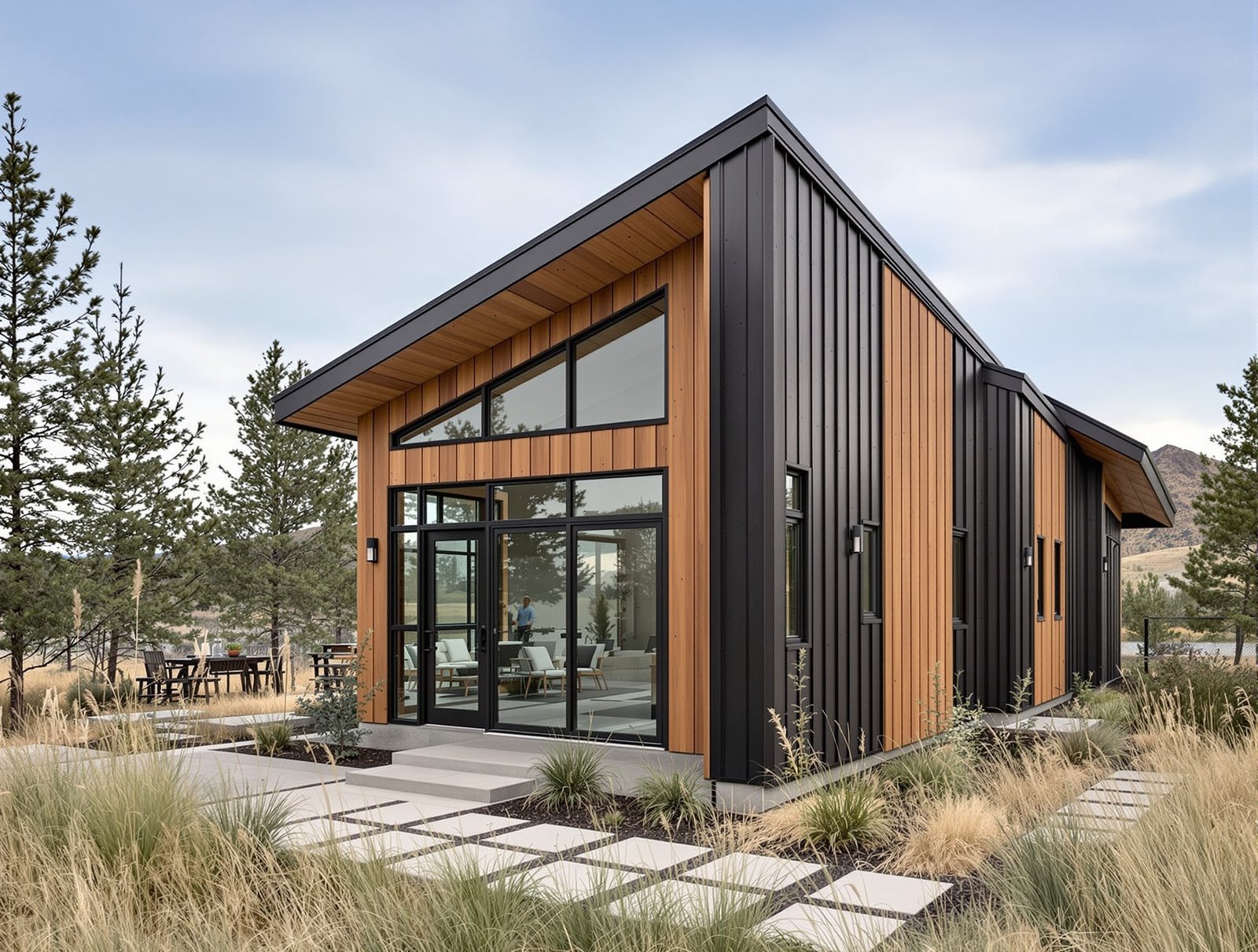
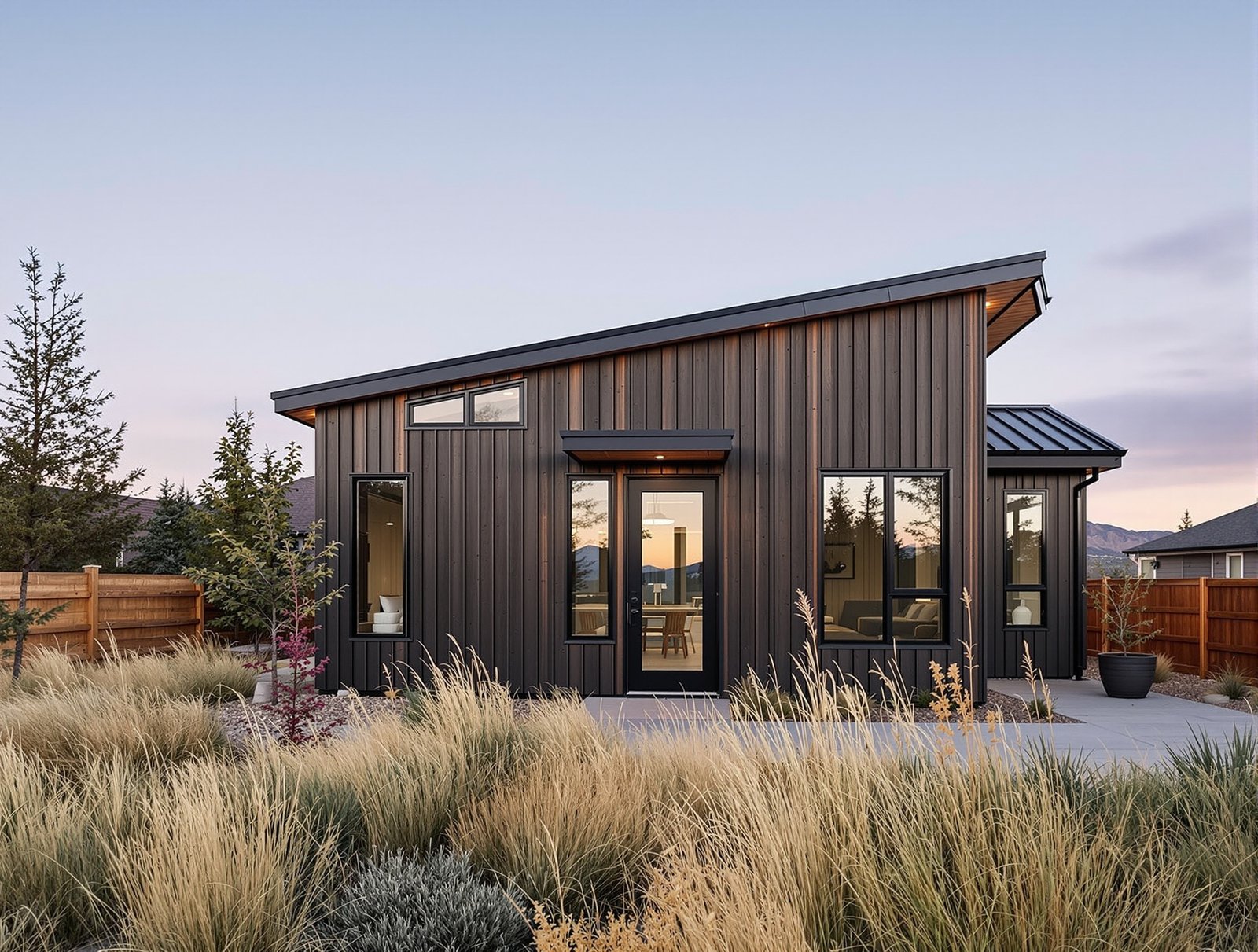
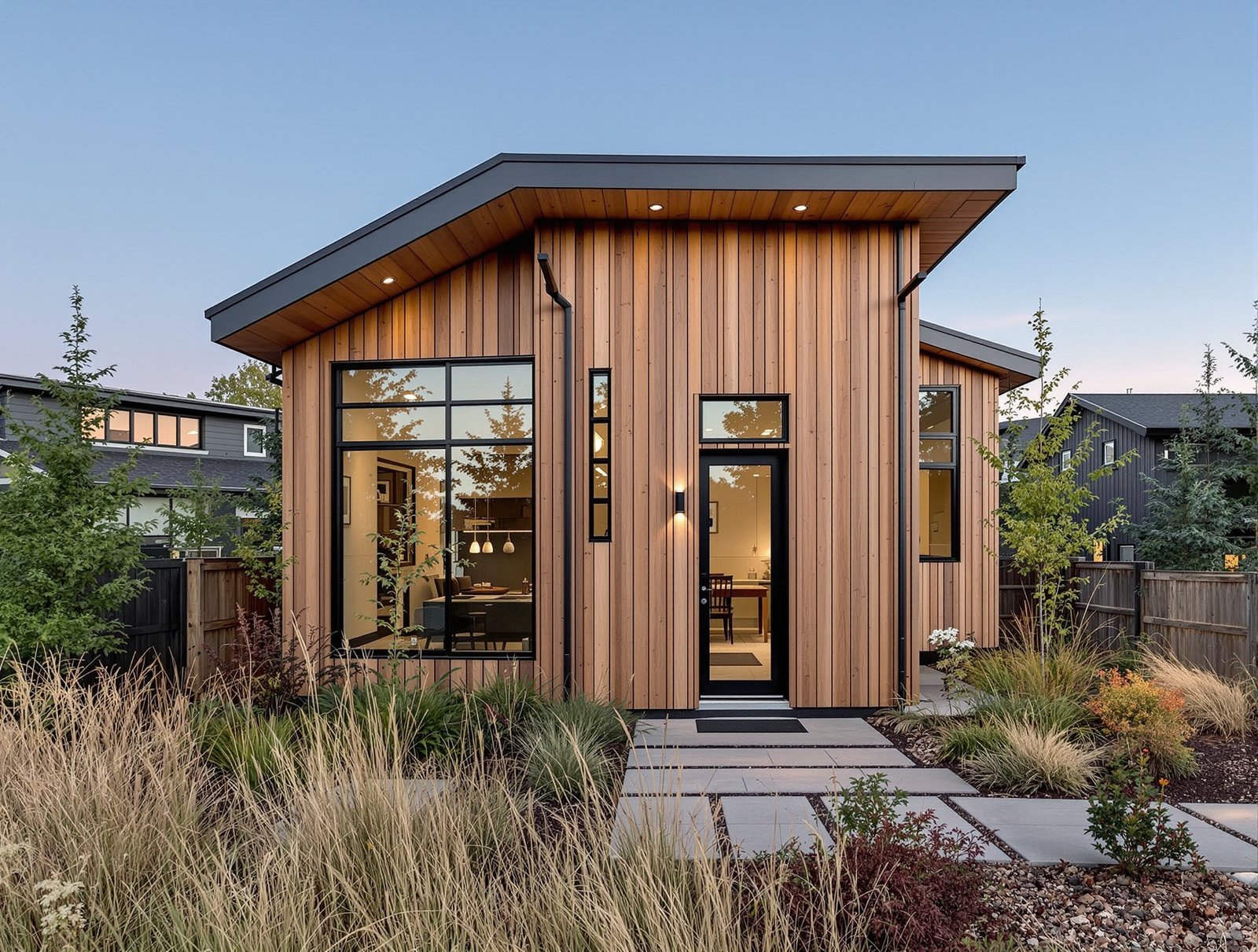
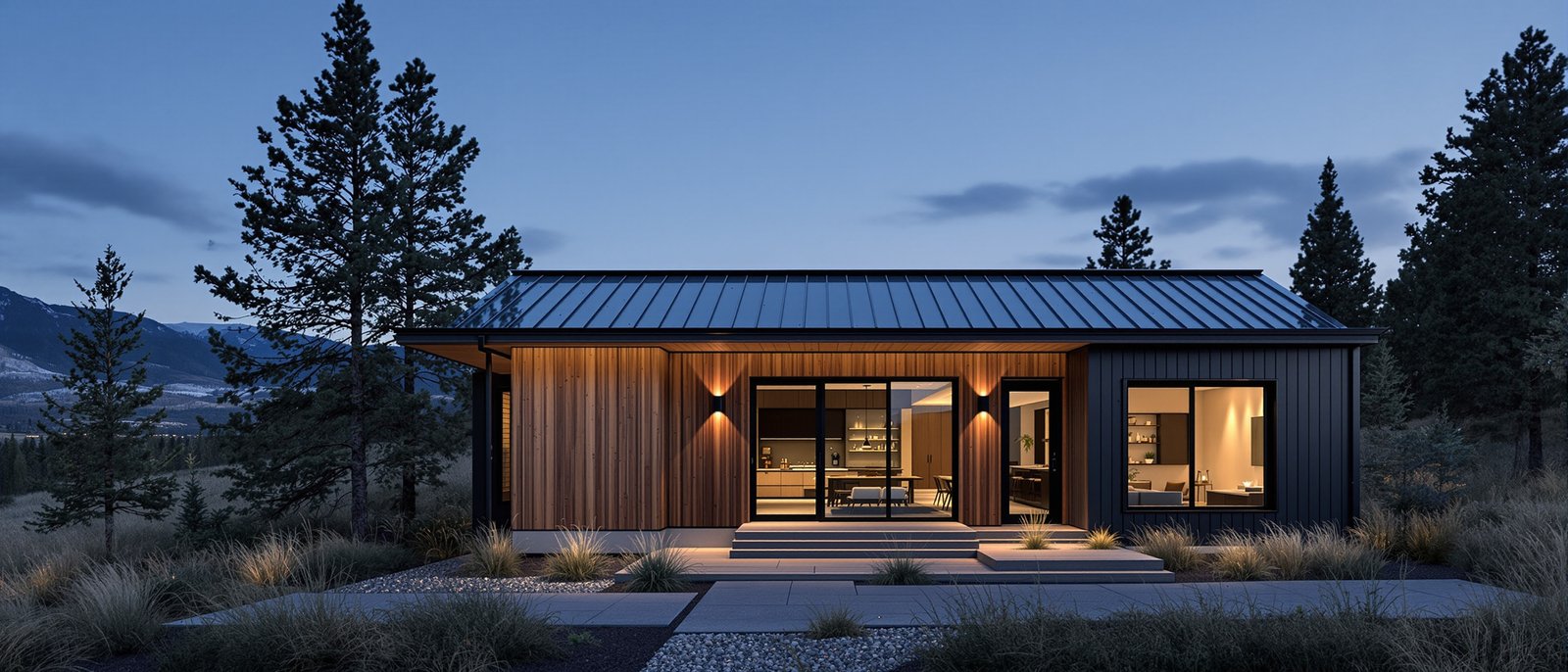
Colorado ADU exterior at blue hour, warm interior light glowing
Imagine coming home to your own Colorado ADU.

Ready to find out what your ADU will actually cost?

Start with the ROI calculator. Free, no signup, no contractor pitch. Just the data.

Cost Disclaimer: All cost ranges and estimates are approximations based on industry contractor data, published reports, and regional market research as of 2026. Actual ADU costs vary significantly based on lot conditions, city requirements, contractor selection, material specifications, and design complexity. Colorado's House Bill 24-1152 (effective June 30, 2025) requires "subject jurisdictions" — municipalities with 1,000+ residents inside a Metropolitan Planning Organization, and certain unincorporated county areas over 40,000 residents — to allow at least one ADU per single-unit detached lot via administrative approval, but cities retain full authority over size, setbacks, permit fees, and design-match standards, and private HOA covenants are not preempted at all. 1-bedroom rent ranges shown were verified against current rental-market listings as of July 2026. Permit fee figures, regional construction-cost totals outside Denver, and all payback-period and added-property-value estimates are modeled figures rather than verified project outcomes and should be checked against current local bids before publishing as final. Always verify current zoning and permit requirements directly with your local authority before beginning design. Always obtain a minimum of three contractor bids before committing to a project budget. Last updated July 2026.