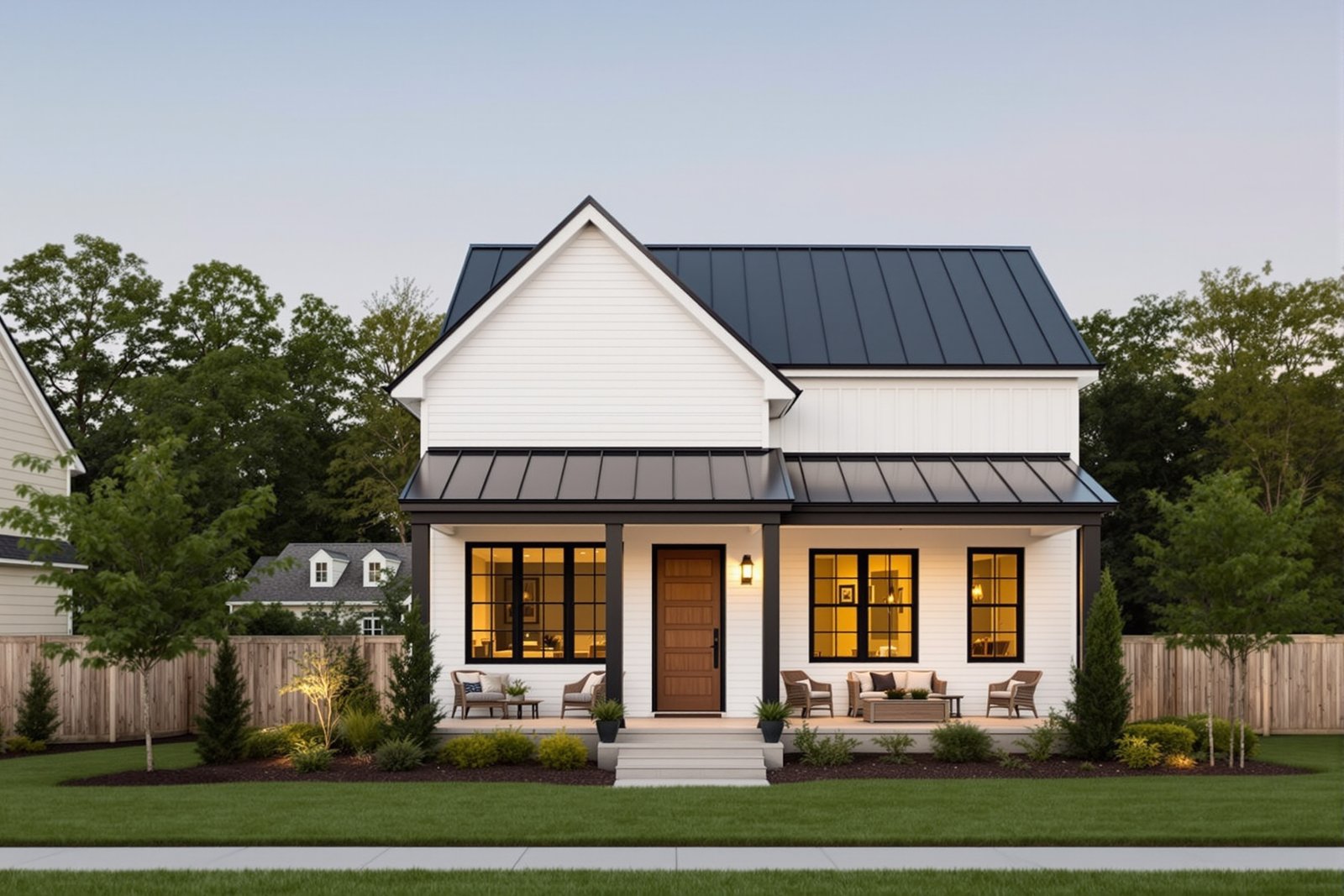
2026 Cost Guide · Updated June 2026

ADU Cost in Maryland — Baltimore, Montgomery County & Statewide

Maryland is implementing HB 1466 / Chapter 197 (2025), while local rules remain the operative checkpoint. Here is what ADUs cost across Baltimore, Montgomery County, Prince George's County, Annapolis, and statewide.

$95K–$380K Detached ADU (statewide)
$70K–$150K Garage conversion (lowest cost)
HUD FY2026Adopted rent benchmark
HB 1466 / Chapter 197 (2025) Implementation transition

MARYLAND
ADU Collection

Beautiful. Functional. Built for Maryland Living.

🏠Increase Property Value
💲Generate Rental Income
👥Multi-Generational Living
🌿Sustainable Design
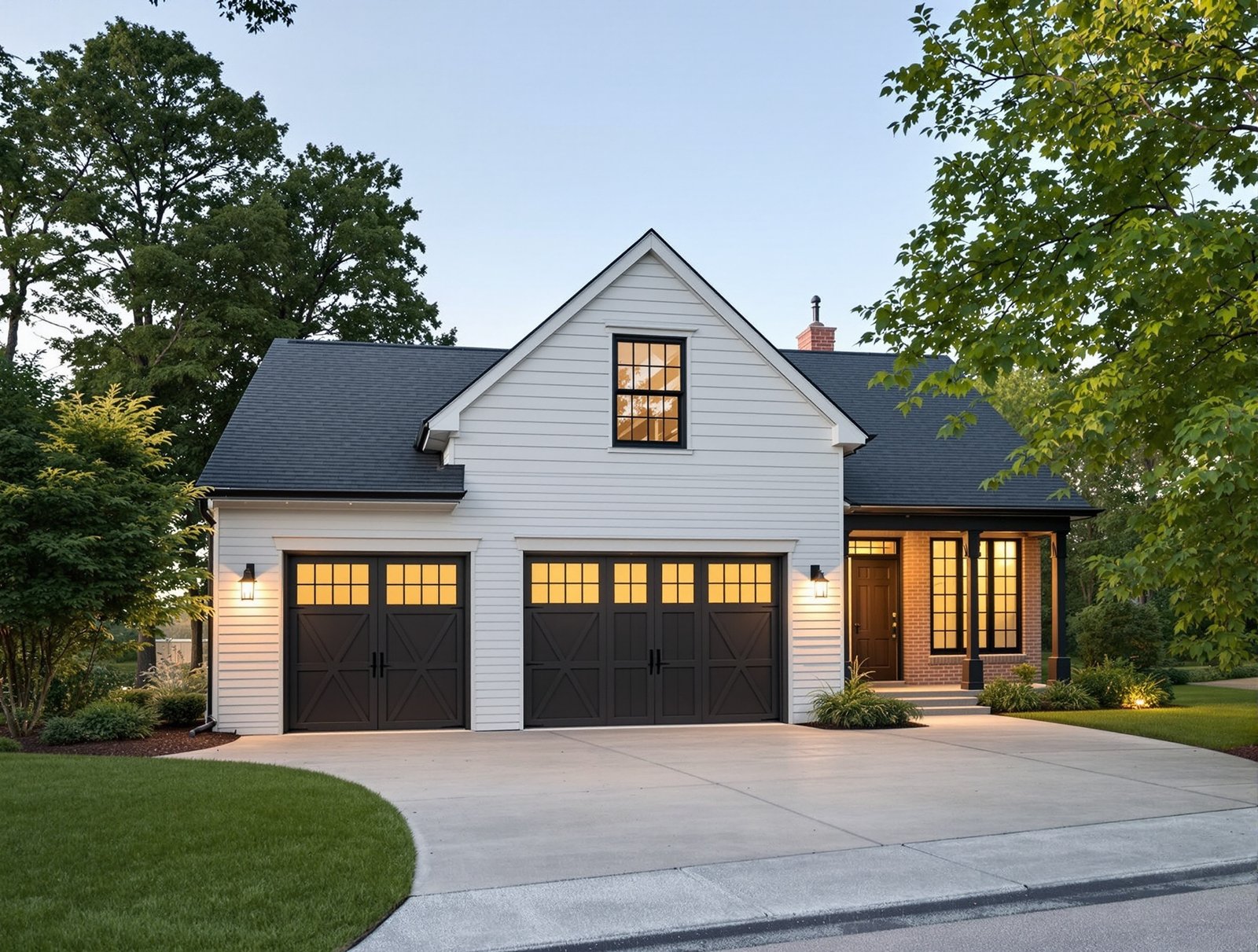
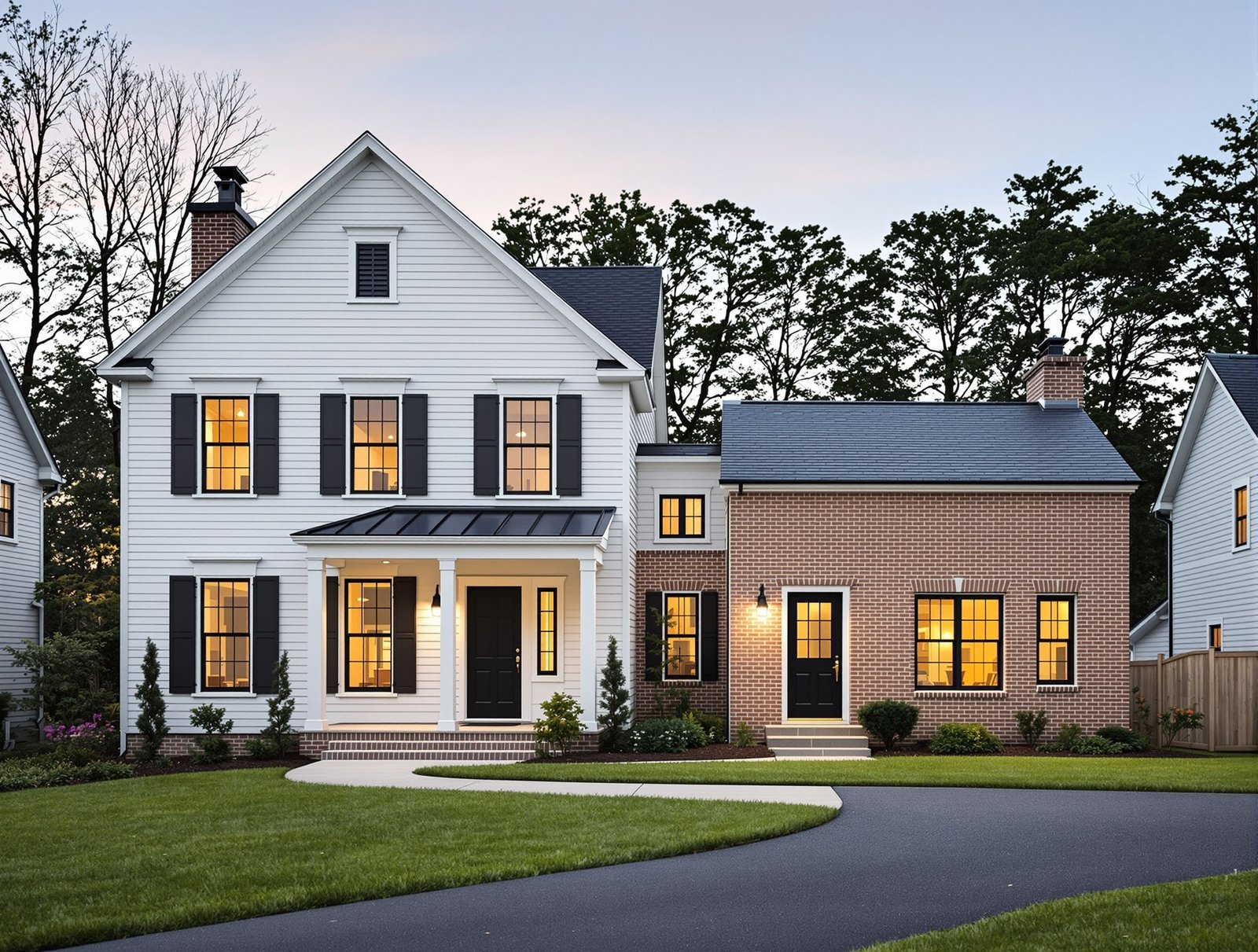
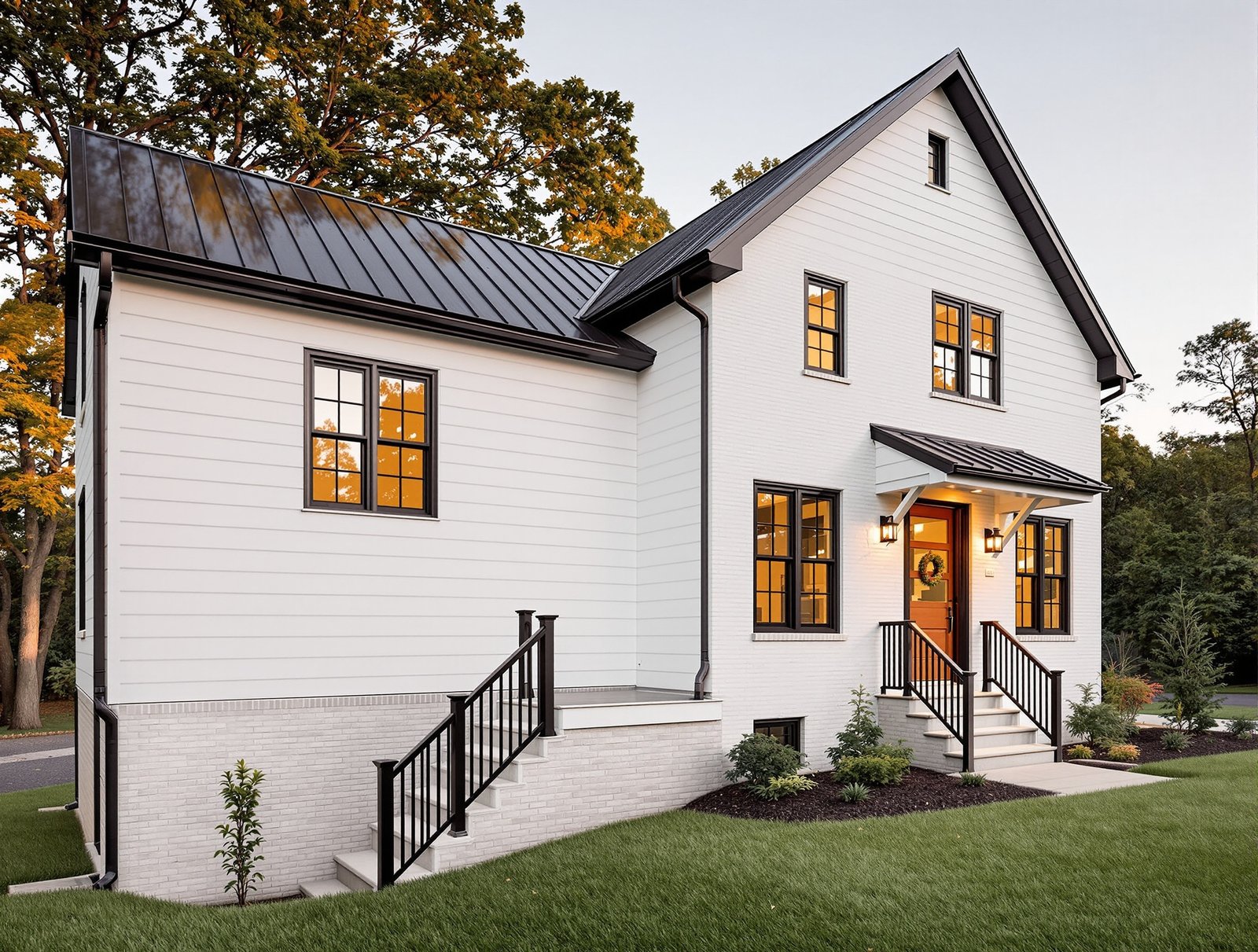
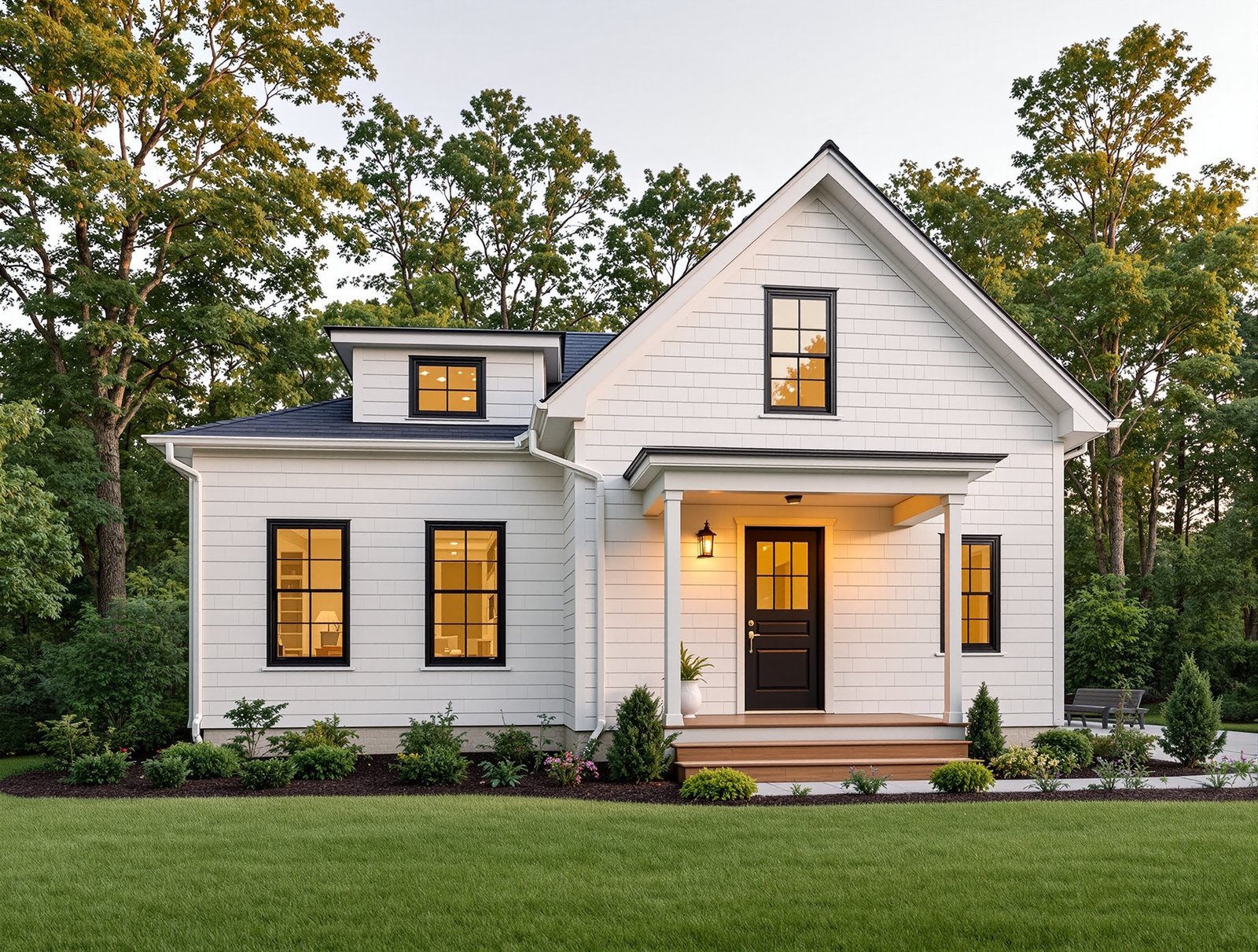
Maryland ADU front elevation
Maryland Detached ADU
Maryland Garage Conversion ADU
Maryland Attached ADU
Maryland Basement Conversion ADU
Maryland Modular Prefab ADU
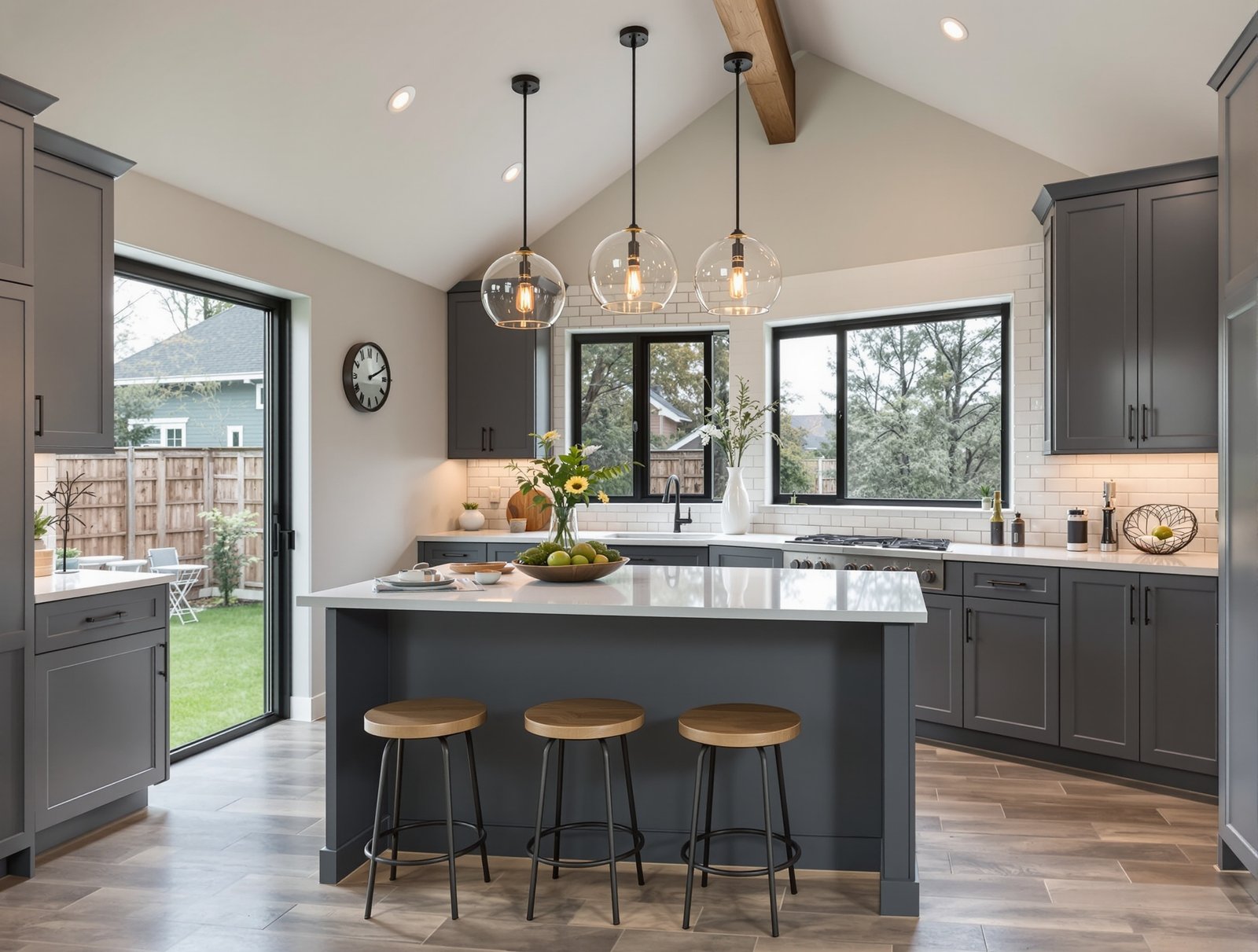
Maryland ADU kitchen interior
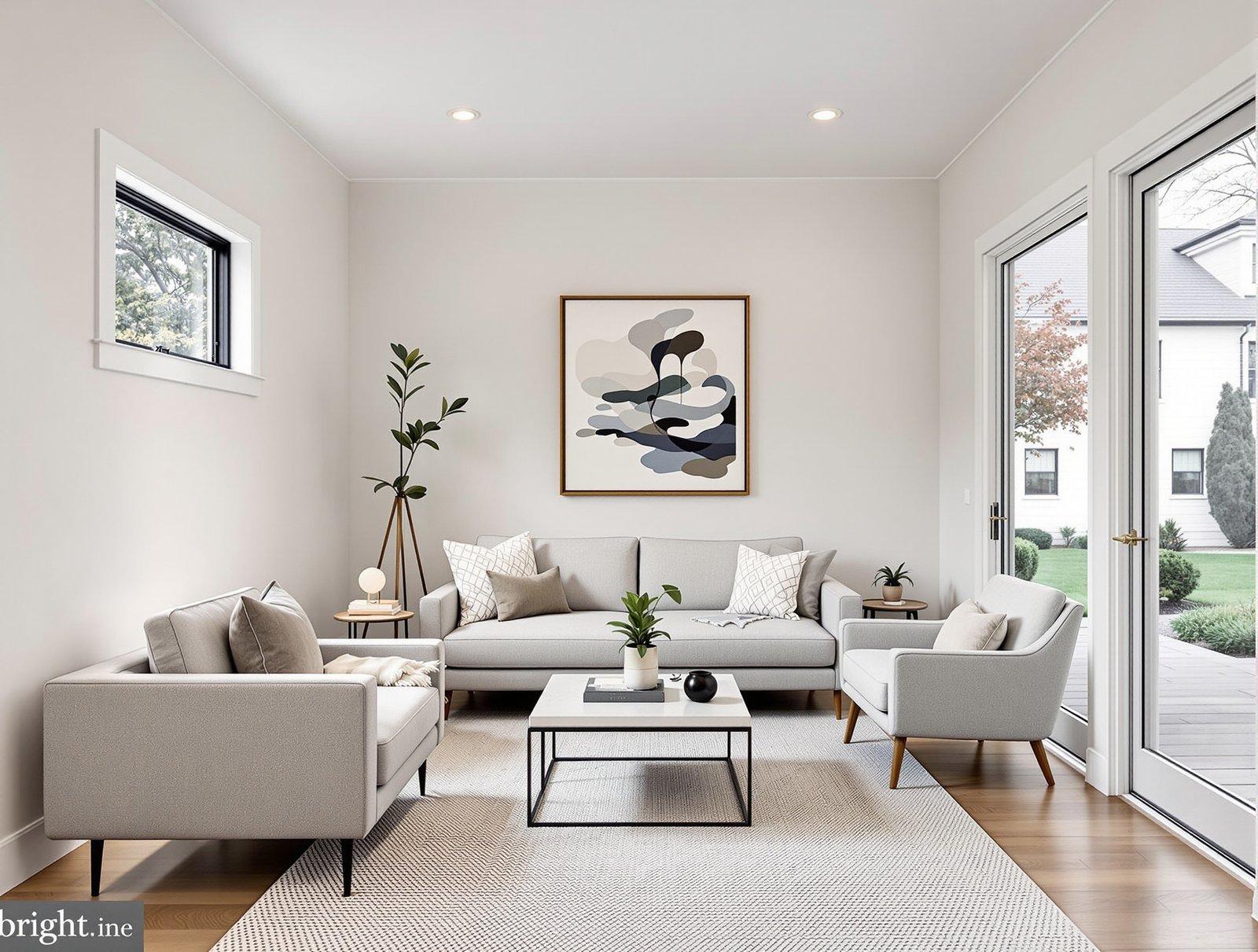
Maryland ADU living room interior
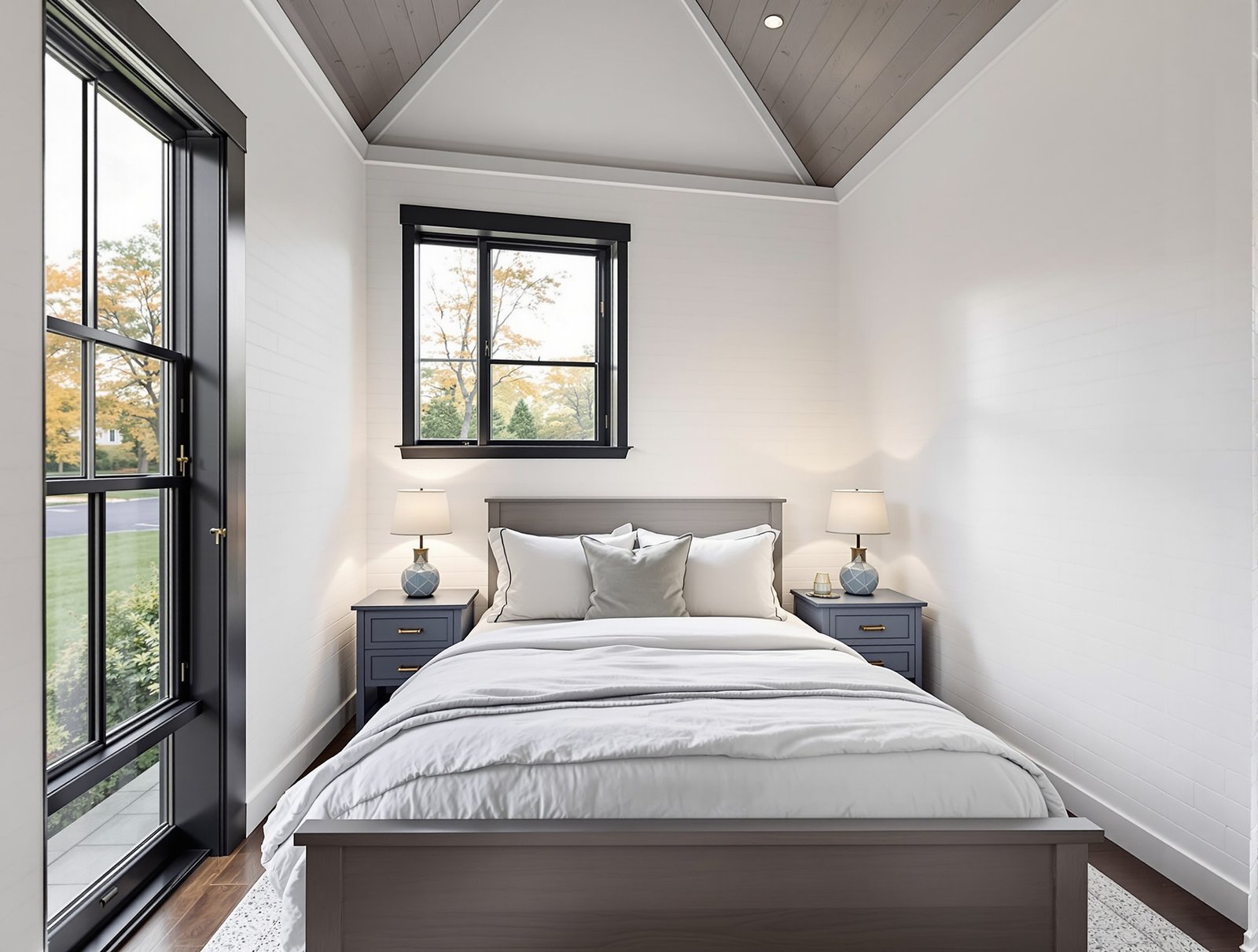
Maryland ADU bedroom interior
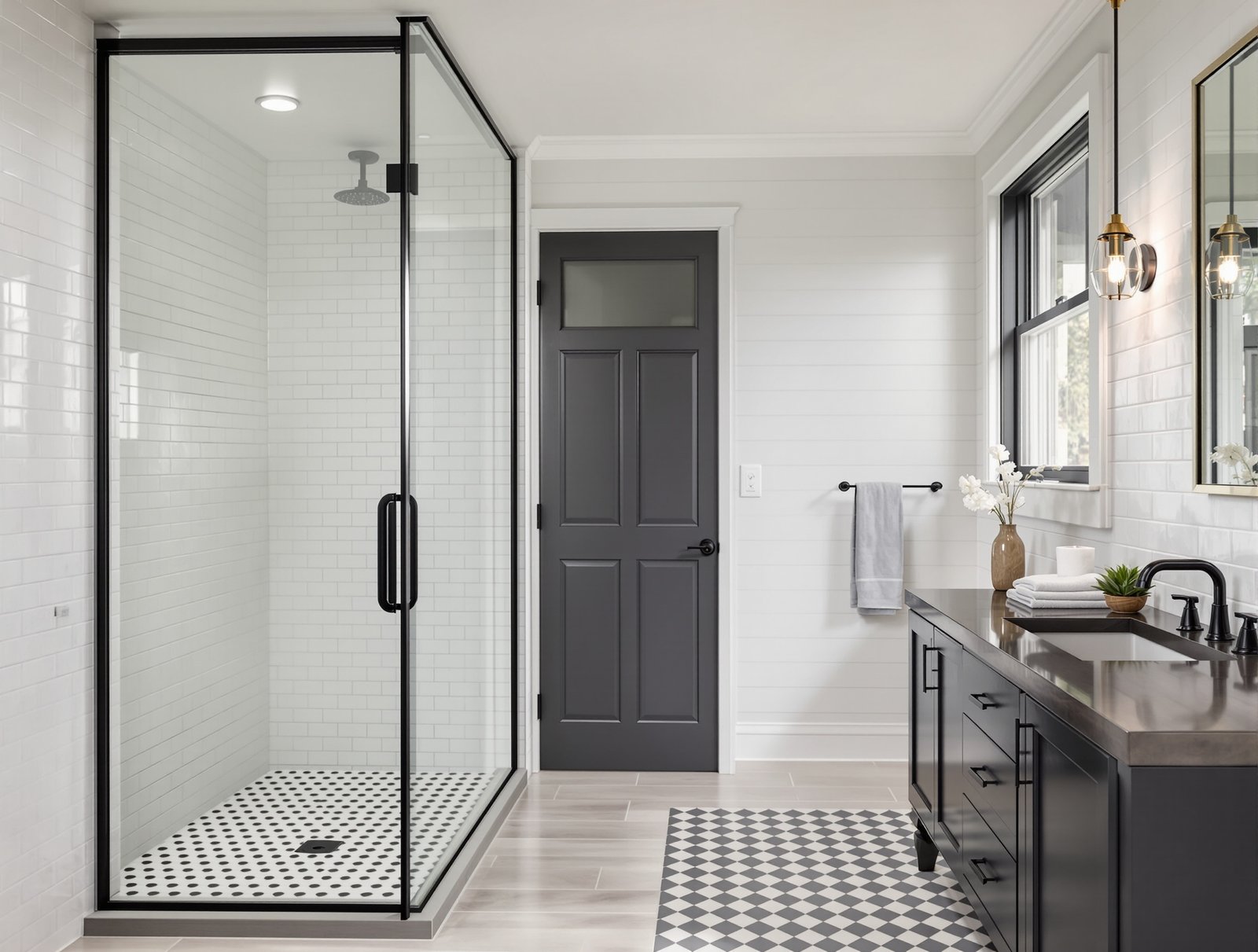
Maryland ADU bathroom interior
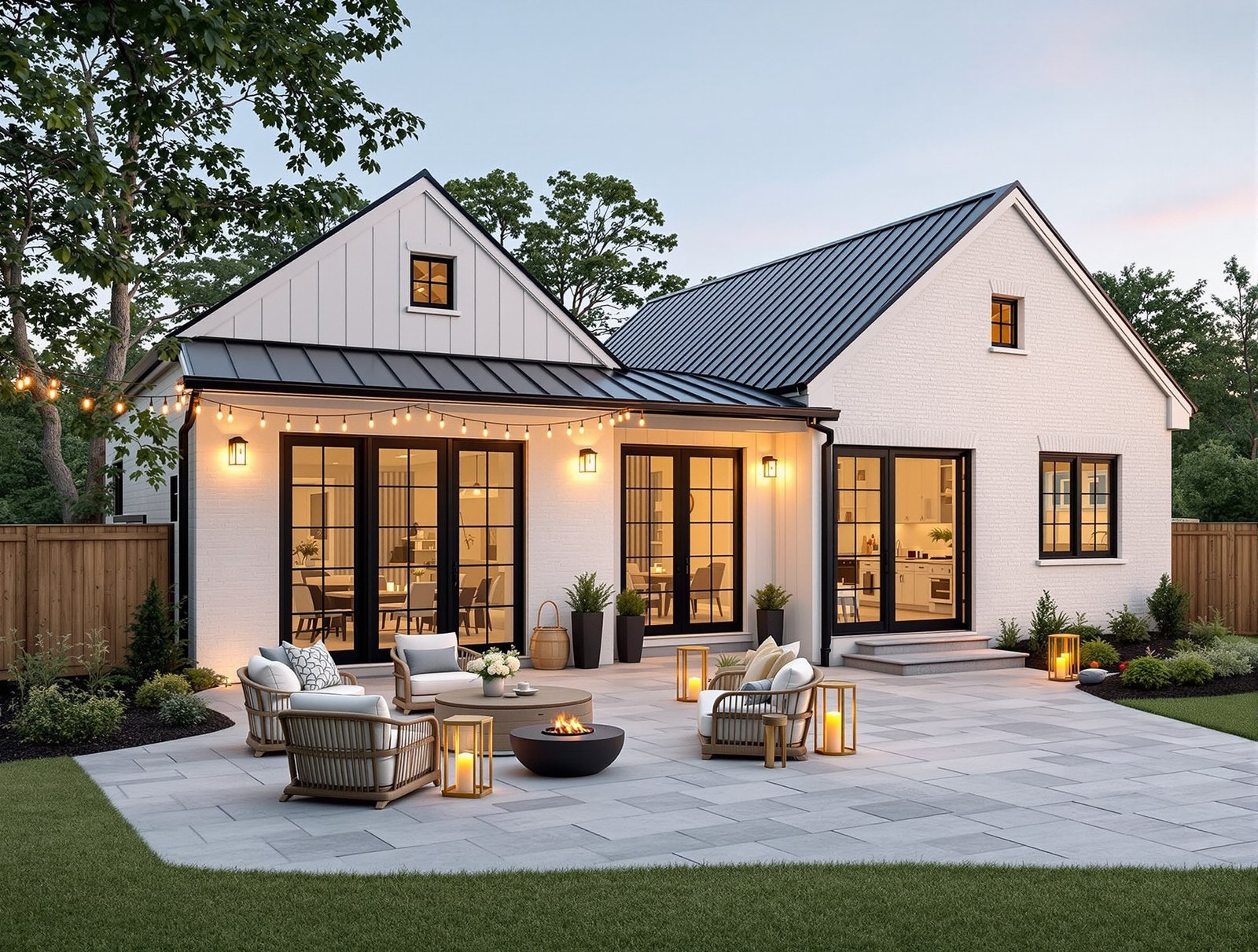
Maryland ADU outdoor living and patio space
Planning & Inspiration
Planning Reference
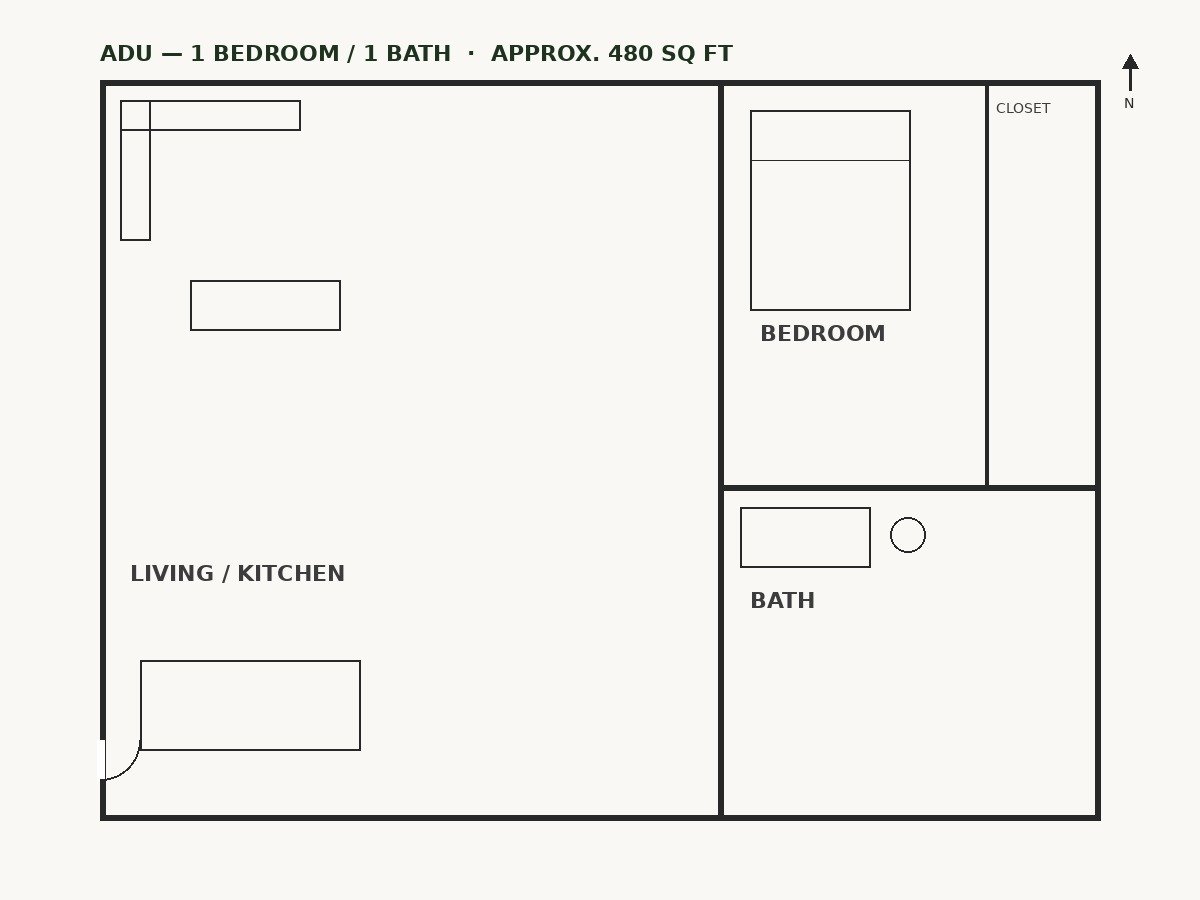
Example 1-bedroom ADU floor plan, illustrative layout
Example Floor Plan

Illustrative 1-bedroom layout. Actual floor plans vary by ADU type, size, local code, and homeowner needs.

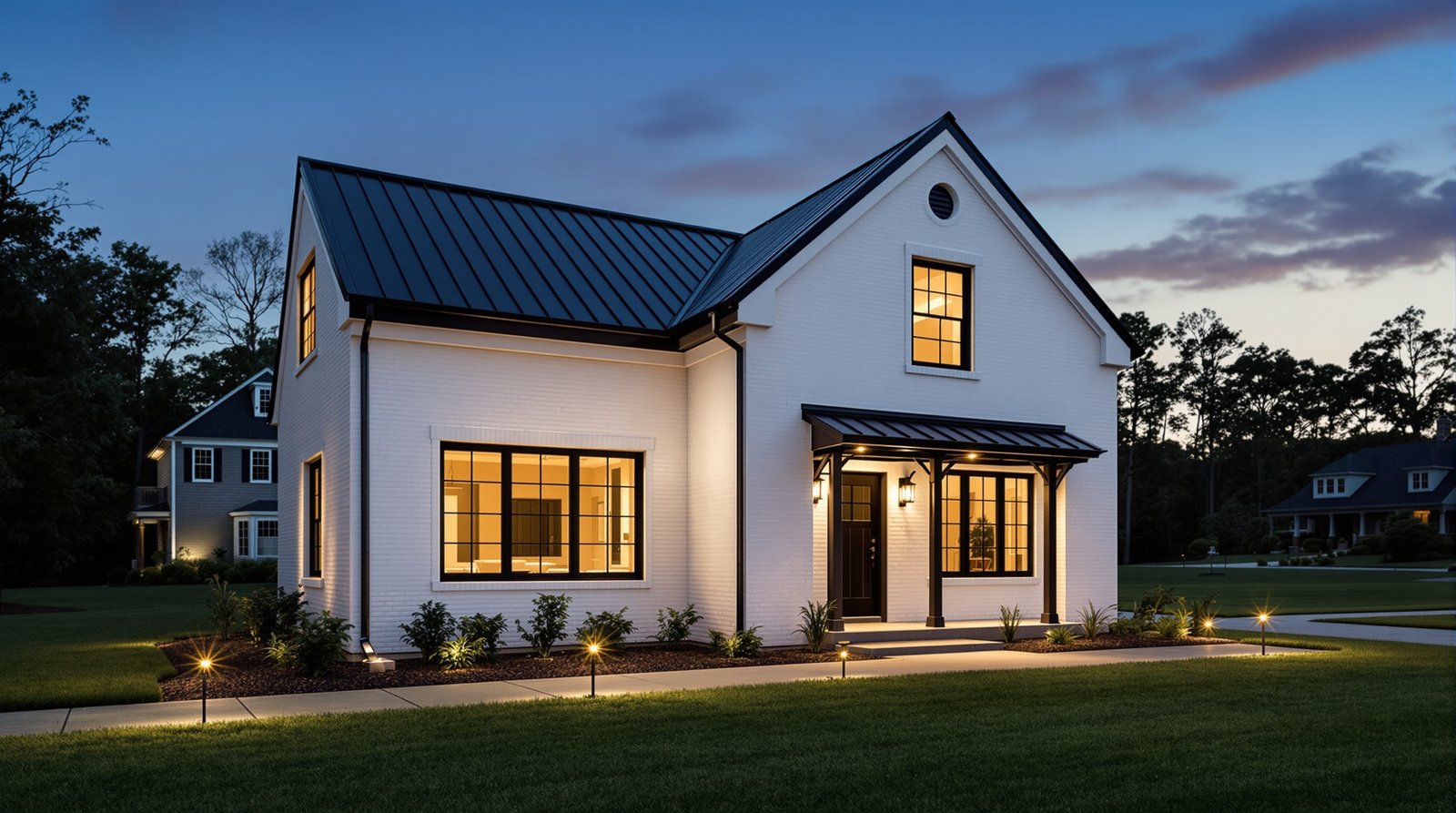
Maryland ADU exterior at twilight, warm interior light glowing
Maryland ADU and main house evening backyard view
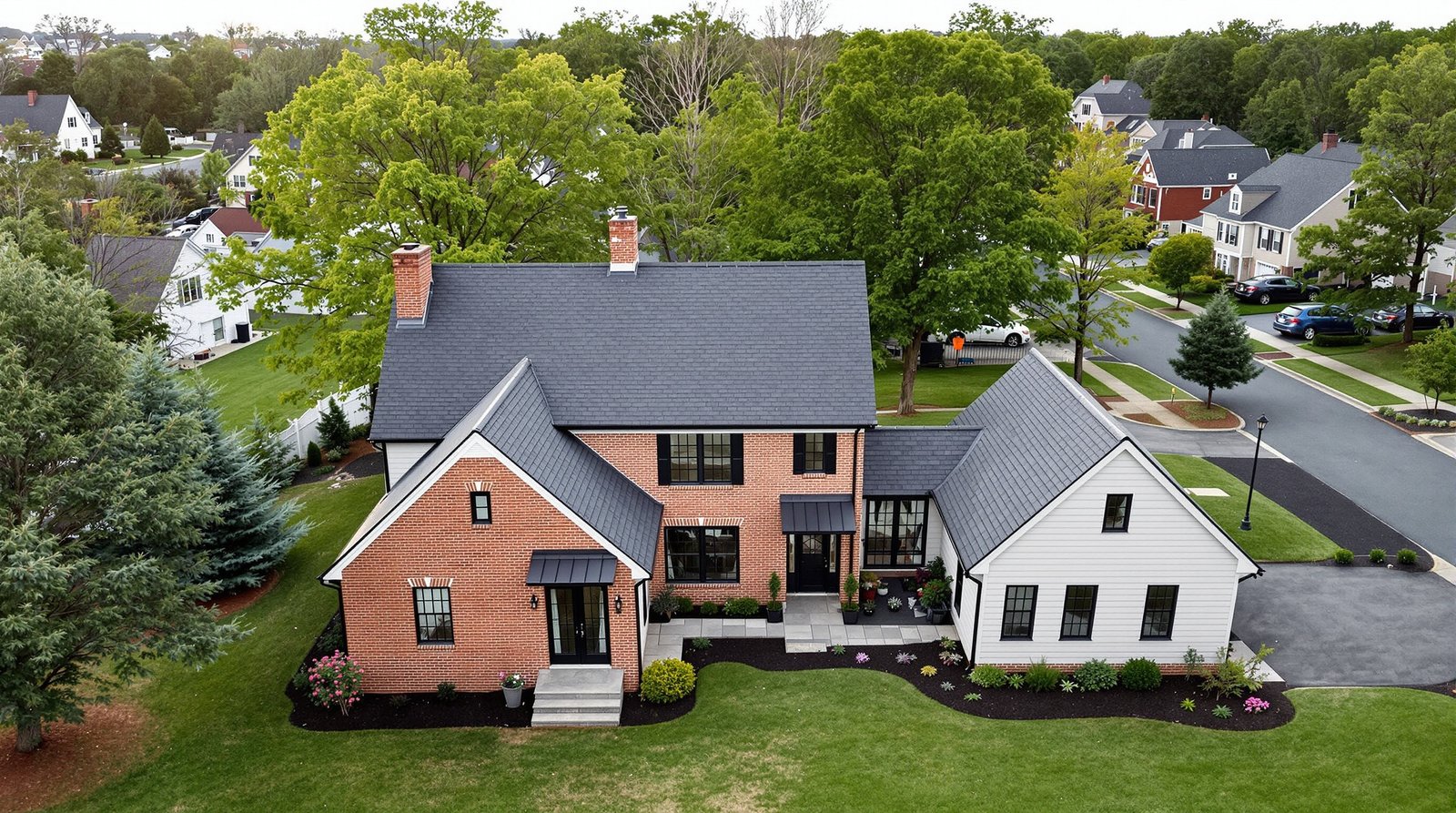
Aerial view of Maryland property with backyard ADU
At a Glance

Maryland ADU costs — by type.

Detached ADU
$95K – $380K
New foundation + structure · Montgomery County skews highest
🏡
Attached ADU / In-Law Suite
$110K – $220K
Shares one wall · strong multigenerational demand
🔗
Garage Conversion
$70K – $150K
Most affordable · uses existing structure
🚗
Basement Apartment
$70K – $150K
Baltimore rowhouse tradition · among the most affordable on the East Coast
⬇️
Modular / Prefab
$85K – $195K
Factory-built · fastest construction timeline
📦
💡

Implementation transition: HB 1466 / Chapter 197 (2025). Covered localities must adopt compliant ADU ordinances by October 1, 2026; local rules remain the operative checkpoint during implementation. Permit fees and review timing remain planning estimates until confirmed for the specific property.

Calculate My ROI →
ADU Types

Which type fits your property?

01 / Most Common
Detached ADU
$95K – $380K

Freestanding backyard structure. Montgomery County's close-in suburbs — Chevy Chase, Silver Spring, Takoma Park — have mature tree-lined lots well-suited for detached construction; a 600 sq ft unit there typically runs $230K–$360K. Baltimore City and the Eastern/Western Shore sit toward the bottom of the statewide range.

Detached ADU Guide →
02 / Most Affordable
Garage Conversion
$70K – $150K

Maryland's suburban housing stock has abundant attached garages. Montgomery County's stringent design standards add cost compared to other counties, but also support premium rents once complete.

Garage Conversion Guide →
03 / Fastest Build
Modular / Prefab
$85K – $195K

Factory-built construction offers the fastest, most predictable timeline of any ADU type — a real advantage given Maryland's multi-layered county permit review processes.

Prefab ADU Overview →
04 / Multigenerational
Attached ADU / In-Law Suite
$110K – $220K

Maryland's large immigrant and multigenerational household population drives strong demand for in-law suites, particularly in Prince George's and Montgomery counties. Shares one wall with the primary residence, reducing site-work cost versus detached construction.

Attached ADU Guide →
05 / Baltimore Tradition
Basement Apartment
$70K – $150K

Baltimore's rowhouse and semi-detached housing stock is well-suited for basement conversion — among the most affordable ADU options on the East Coast. Popular in improving neighborhoods like Hampden, Remington, and Charles Village.

Basement ADU Guide →
Cost by Region

Every Maryland market is different.

Montgomery County
Chevy Chase · Silver Spring · Bethesda
$210K–$380K
$300–$420 per sq ft
Highest cost
Prince George's County
DC suburbs
$165K–$225K
$240–$320 per sq ft
High
Baltimore City & County
Hampden · Remington · Charles Village
$130K–$190K
$185–$275 per sq ft
Moderate
Eastern & Western Shore
Annapolis / Anne Arundel · rural MD
$110K–$225K
$160–$295 per sq ft
Most affordable
Cost Factors

Why Maryland ADUs cost what they cost.

👷
DC-Proximate Labor Rates
Montgomery and Prince George's counties command premium labor costs reflecting their function as DC suburbs. Baltimore and the Eastern/Western Shore run considerably more affordable.
40–50% of total cost
🌲
Forest Conservation & Stormwater
Many Maryland counties require a Forest Conservation Plan and Stormwater Management review for any impervious surface addition — costs not seen in most other states.
$3.5K–$9K added cost
🌊
Chesapeake Bay Critical Area
Properties within 1,000 feet of tidal waters face additional development restrictions, including limited impervious surface coverage. ADU construction may be restricted or require mitigation — check your Critical Area classification first.
Can restrict or delay projects
⚖️
Current ADU Legal Framework
Covered localities must adopt compliant ADU ordinances by October 1, 2026; local rules remain the operative checkpoint during implementation.
Implementation transition · HB 1466 / Chapter 197 (2025)
Homeowners reviewing ADU permit documents
Permits & Fees

What permitting actually costs.

Covered localities must adopt compliant ADU ordinances by October 1, 2026; local rules remain the operative checkpoint during implementation. The detailed figures below are representative planning ranges, not a statewide fee schedule or review-time guarantee.

📄
Building Permit
$4,000 – $10,000
Based on project valuation.
🌲
Forest Conservation Plan
$1,500 – $4,000
Required in many Maryland counties.
💧
Stormwater Management
$2,000 – $5,000
Required for impervious surface additions.
📋
Utility Connection
$4,000 – $12,000
Sewer, water, electrical.
🧾
Total Typical Range
$15,000 – $35,000
Montgomery County; lower elsewhere in the state.
Verified August 5, 2026 · Implementation transition
HB 1466 / Chapter 197 (2025)

Covered localities must adopt compliant ADU ordinances by October 1, 2026; local rules remain the operative checkpoint during implementation.

Legal classificationImplementation transition
Governing frameworkHB 1466 / Chapter 197 (2025)
Representative permit fees$4,000 – $10,000
Representative review timeVerify locally
Local verificationRequired

Source: Maryland General Assembly — HB 1466 →

Verify the property before design

These are planning benchmarks, not a permit quote, eligibility ruling, or legal opinion. Confirm zoning, building, utility, site, private-covenant, fee, and timing requirements with the current local authorities. See the 51-jurisdiction law directory and national permit guide.

Return on Investment

Maryland ROI planning inputs.

$900–$1,875
Adopted statewide 1-bedroom rent range
15%
National property-value planning input
10%–20%
Property-value uncertainty range
30%
Operating-expense planning reserve
Rent source
HUD FY2026 revised
One-bedroom FMR market basket
Exact HUD mappings
ROI-CM-1.4
Home-value source
Statewide Zillow ZHVI
June 30, 2026
One statewide input
Not a valuation
Payback period
Calculated live
Budget, ADU type, size and rent
No static statewide promise
Full methodology
Transparent sources
HUD, Census PUMS, Zillow and FHFA
Planning estimate, not a valuation
Save Money

5 ways to cut your
Maryland ADU cost now.

Maryland's implementation framework is still being incorporated into local rules. These steps help control cost while preserving room for county-specific requirements.

Calculate My ADU ROI →
Compact detached ADU exterior
🏡
Compact Detached ADU
Maryland — statewide range
Property-Value Planning Input
15%
1
Check the Chesapeake Bay Critical Area first
If your property is within 1,000 feet of tidal water, Critical Area rules may restrict impervious surface coverage or require mitigation. Check your property's Critical Area classification with your county planning department before spending a dollar on design.
Prevents wasted design fees
2
Convert a basement or garage before building new
Baltimore's rowhouse stock is well-suited for basement conversion, and Maryland's suburban housing stock has abundant attached garages. Both options cost roughly 60–70% less than new detached construction while generating similar rental income.
Saves 60–70% vs. new construction
3
Use Montgomery County's pre-application meeting
Montgomery County planning staff can identify potential issues — setback, size, or design conflicts — before you invest in full architectural drawings. Other counties offer similar pre-application review; use it.
Avoids costly design rework
4
Budget for Forest Conservation and Stormwater review
Many Maryland counties require a Forest Conservation Plan and Stormwater Management review for any new impervious surface. Build these into your budget and timeline from day one rather than discovering them mid-permit.
Avoids permit delays and surprise costs
5
Verify your contractor's MHIC license
Maryland requires home improvement contractors to be licensed by the Maryland Home Improvement Commission. Verify any contractor's license at mhic.maryland.gov before hiring — unlicensed work can jeopardize your permit and insurance coverage.
Protects your permit and investment
Frequently Asked Questions

Maryland ADU answers.

How much does an ADU cost in Maryland?
ADU costs in Maryland range from $70,000 for a garage or basement conversion to $380,000 for a large detached new build in Montgomery County. The most common project — a 600–700 sq ft 1-bedroom detached ADU — falls in the mid-range for your region. See the regional breakdown above for market-specific data.
Does Maryland have a statewide ADU law?
HB 1466 / Chapter 197 (2025) is classified as being in implementation transition in NationwideADU's August 5, 2026 review. Covered localities must adopt compliant ADU ordinances by October 1, 2026; local rules remain the operative checkpoint during implementation. Local zoning, building, utility, site, and private-covenant requirements may still apply; verify the current rules for the property before design or construction.
What makes Montgomery County ADU permitting unique?
Montgomery County has its own comprehensive ADU ordinance with specific design standards, setback requirements, and size limits beyond the state minimums, plus a dedicated ADU review process. Pre-application meetings are strongly recommended — planning staff can flag issues before you invest in full architectural drawings.
Can I build an ADU in Baltimore City?
Yes. Baltimore City allows ADUs in most residential zones under its existing zoning code, and the city has an established tradition of basement apartments in its rowhouse neighborhoods. Budget 4–6 months for permit review — Baltimore's process can run slower than the suburban counties.
Does Maryland require owner-occupancy for ADUs?
Owner-occupancy treatment remains a local checkpoint during implementation of HB 1466 / Chapter 197 (2025). Confirm the current ordinance and application requirements with the city or county before relying on an owner-occupancy assumption.
What is the Chesapeake Bay Critical Area?
Properties within 1,000 feet of tidal waters face additional development restrictions, including limited impervious surface coverage. If your property is in the Critical Area, ADU construction may be restricted or require mitigation — check your classification with your county planning department before proceeding.
What is the ROI on an ADU in Maryland?
The adopted Maryland one-bedroom planning range is $900–$1,875 per month, derived from the HUD FY2026 revised FMR market basket under ROI-CM-1.4. Payback is calculated from the homeowner's budget, ADU type, size, rent range, and a 30% operating-expense reserve. Property value uses a 15% national planning input with a 10%–20% uncertainty range; it is not a valuation.
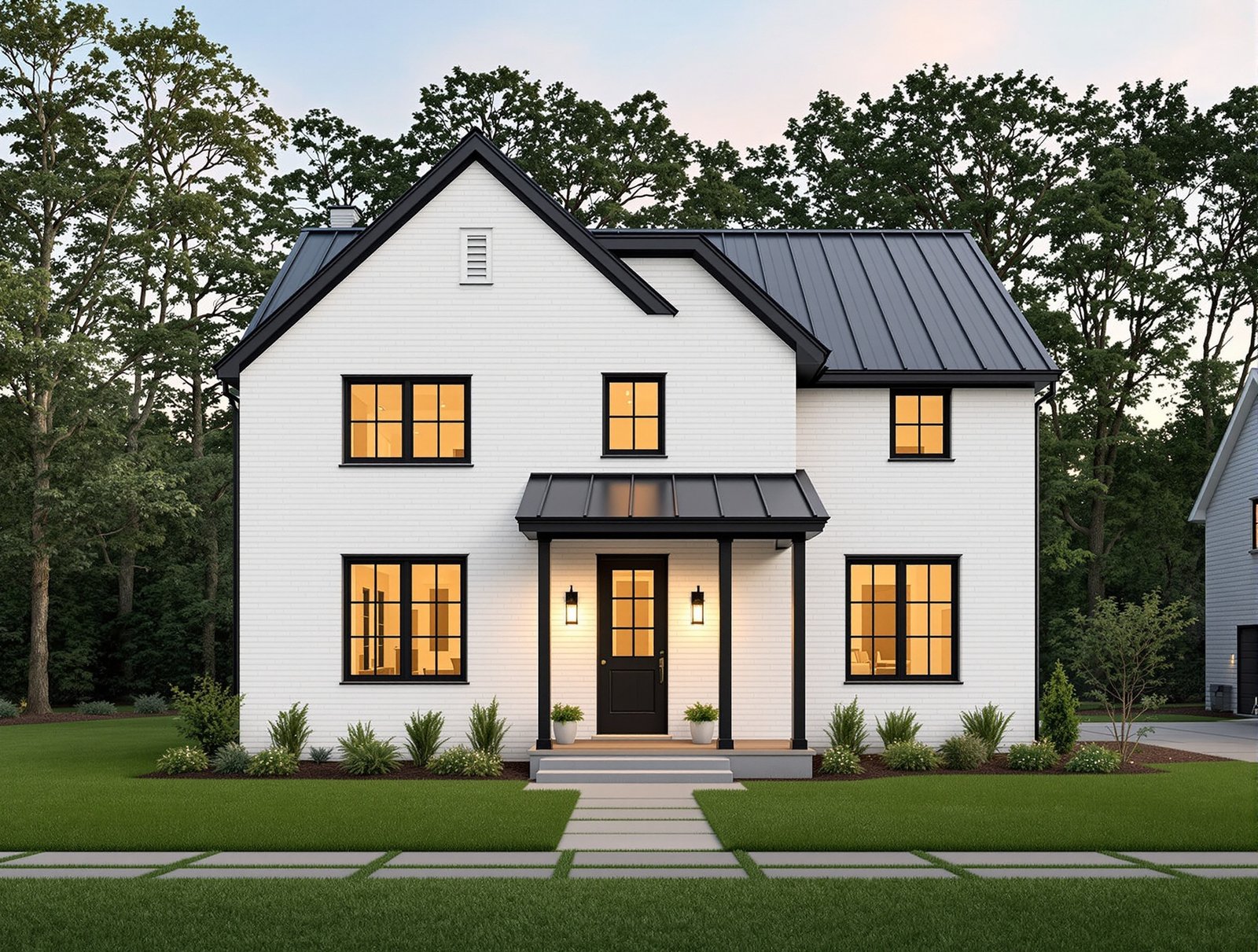
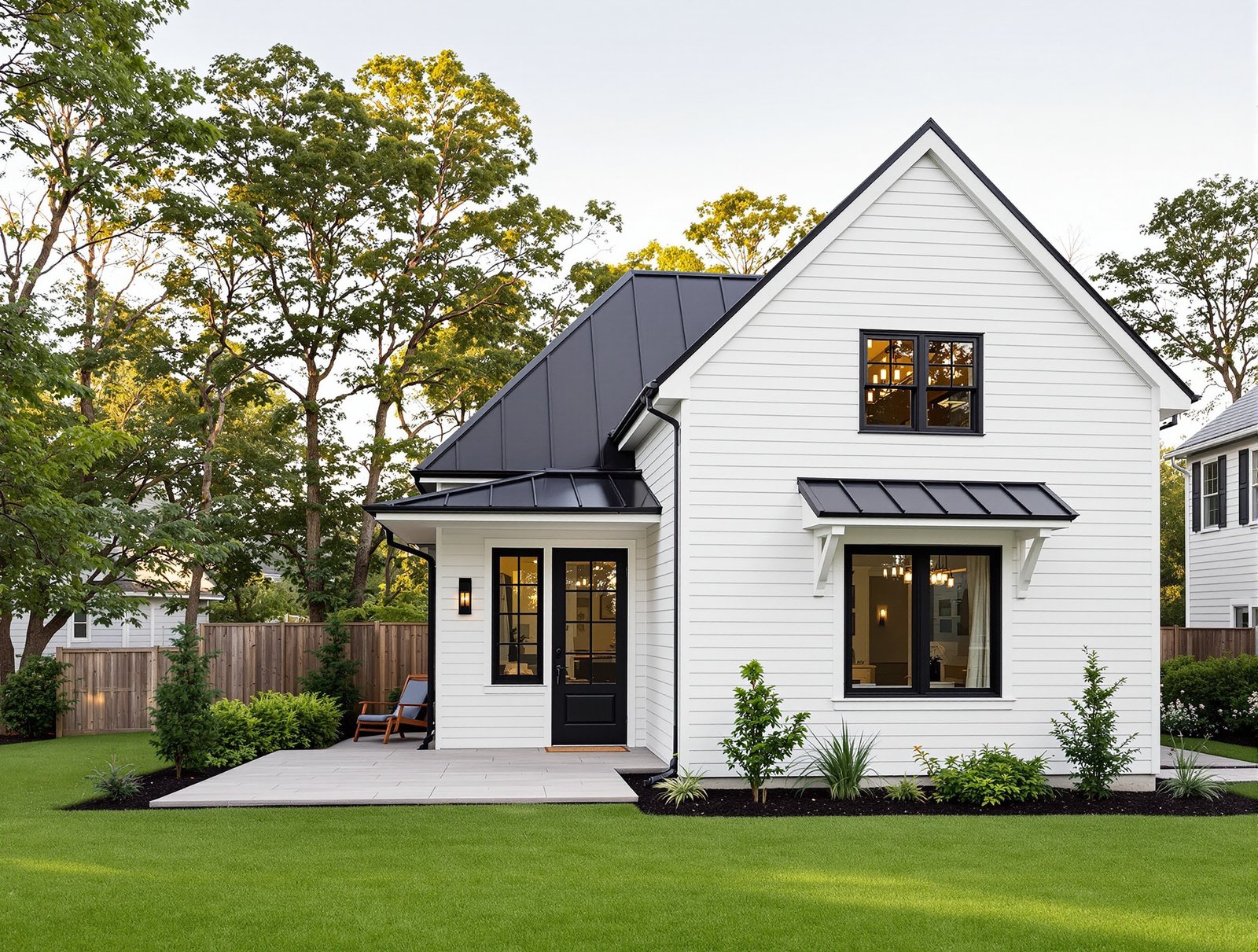
Ready to find out what your ADU will actually cost?

Start with the ROI calculator. Free, no signup, no contractor pitch. Just the data.

Planning Disclaimer: Cost, fee, and timeline ranges are approximations for education and early planning; actual requirements and costs vary with the property, local authority, utilities, site conditions, design, and contractor. The Maryland legal classification and framework shown here were verified on August 5, 2026, but they do not determine parcel eligibility and are not legal advice. Confirm current zoning, building, utility, private-covenant, fee, and timing requirements directly with the applicable authorities before design or construction. Obtain at least three contractor bids before committing to a project budget. Last updated August 2026.