Connecticut ADU Cost Summary — 2026

$85,000 – $360,000Detached ADU
$82,000 – $295,000Attached ADU
$52,000 – $165,000Garage Conversion
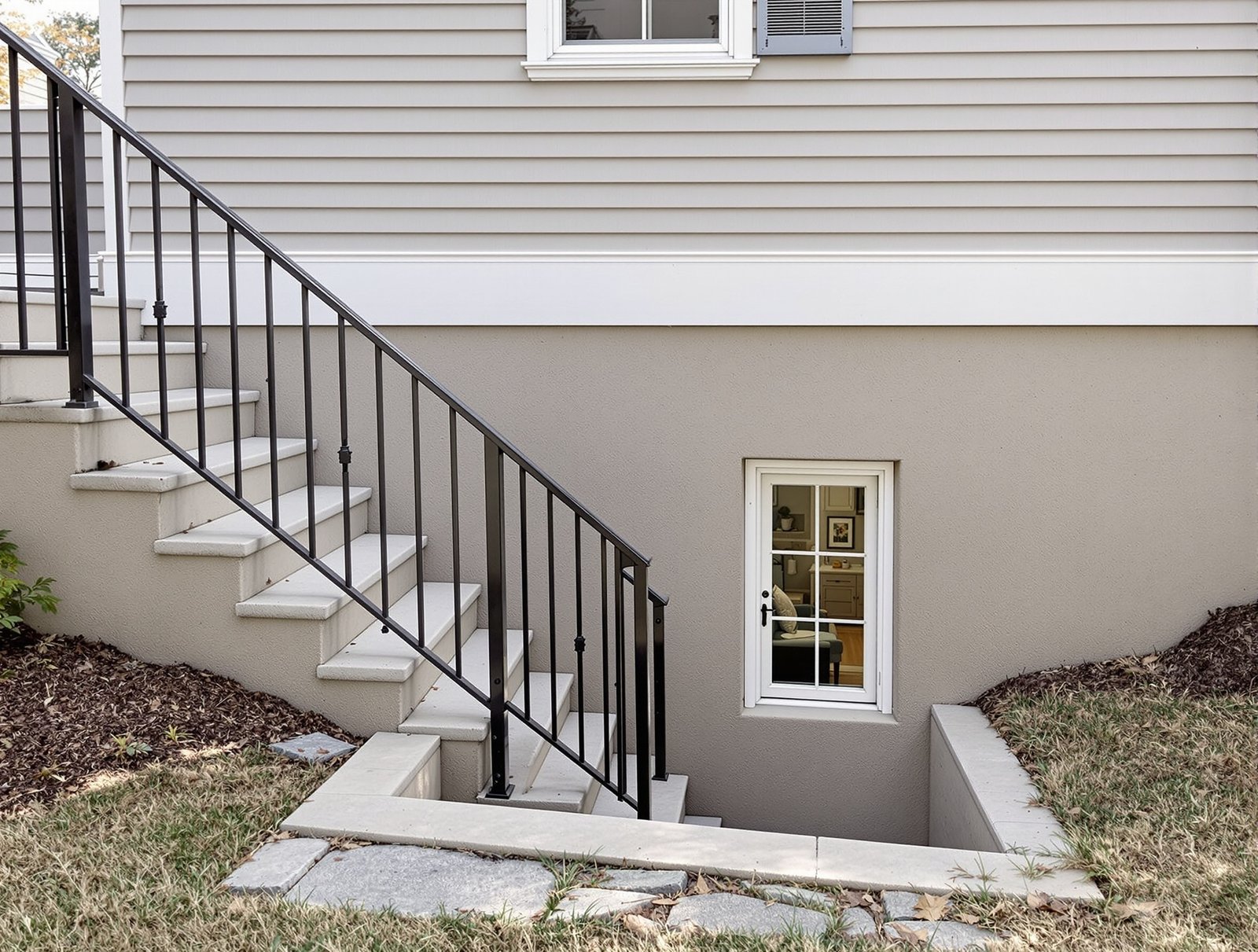
$55,000 – $185,000Basement Conversion
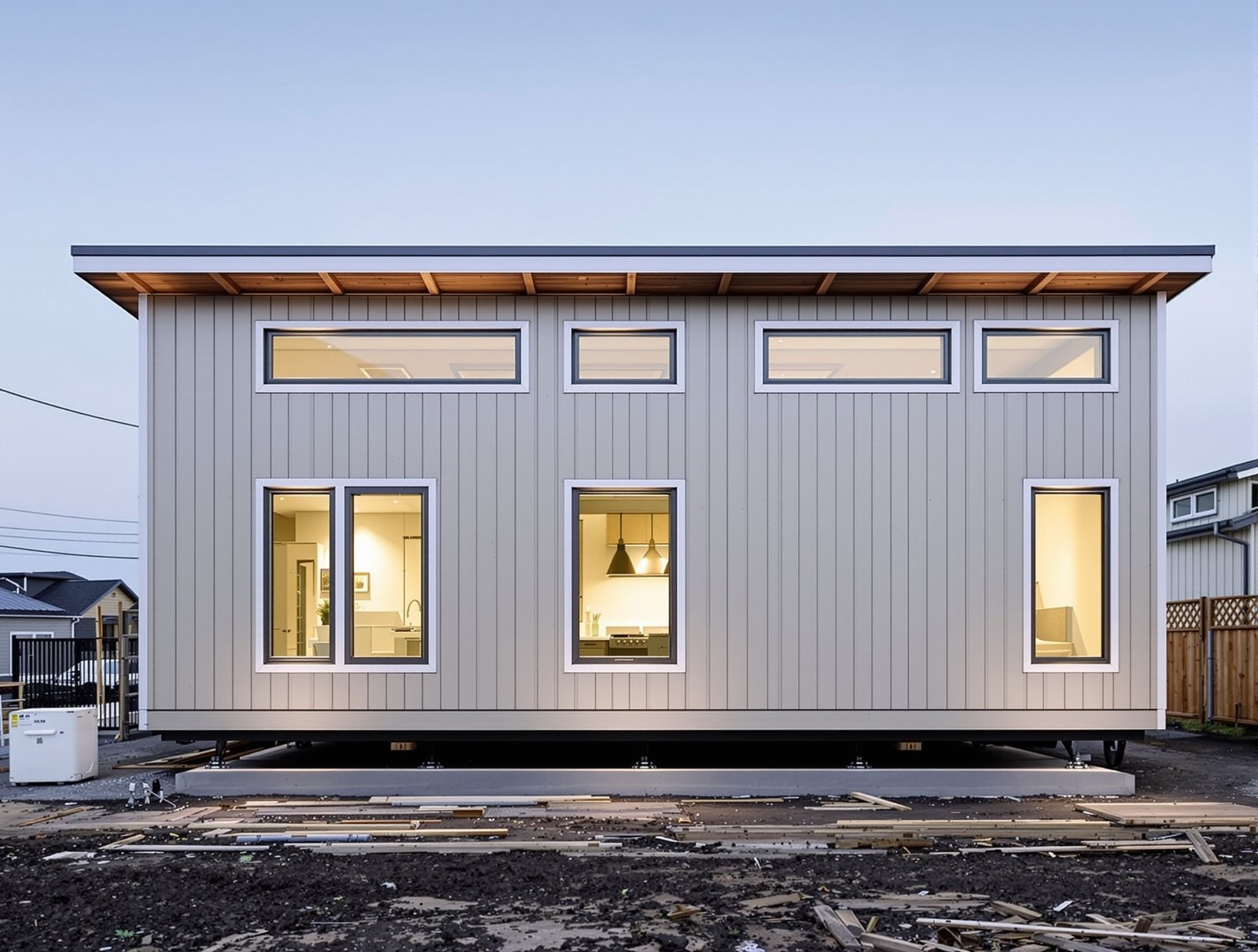
$70,000 – $245,000Modular / Prefab
Connecticut ADU Market: Connecticut's Public Act 21-29 requires municipalities to allow ADUs by right statewide. Cities are updating their ordinances through 2024–2026, making permitting increasingly predictable.
Get a Free Estimate for Your Project →

ADU Cost by Region in Connecticut

Construction costs in Connecticut vary significantly by market. Labor rates, permit fee schedules, and local demand all affect the final project cost. The table below reflects completed project ranges including design, permits, and construction for a standard detached ADU.

RegionDetached ADU RangeCost Per Sq Ft
Fairfield County (Stamford, Greenwich, Norwalk)$145K–$360K$205–$400/sq ft
New Haven County (New Haven, Milford)$100K–$240K$148–$300/sq ft
Hartford / Central CT$85K–$210K$128–$270/sq ft

* Ranges reflect completed projects including all soft and hard costs. Site conditions and finish level affect final cost. See disclaimer.

Use regional data as a starting point: Get at least three contractor bids based on your specific lot, ADU type, and design before committing to a budget. Regional averages can vary 20–30% based on individual site conditions.

Connecticut ADU Cost by Type

Connecticut permits all major ADU types. The right type for your project depends on your lot, existing structures, budget, and local zoning rules. See the full guides for each type: Detached ADU · Garage Conversion · Basement Conversion · Attached ADU.

ADU TypeCost RangeKey Notes
Detached ADU (New Construction)$85,000 – $360,000New foundation + structure; highest cost, highest value
Attached ADU (Addition)$82,000 – $295,000Shares one wall; 20–35% less than detached
Garage Conversion$52,000 – $165,000Most affordable; uses existing structure
Basement Conversion$55,000 – $185,000Year-round build; egress windows required
Modular / Prefab ADU$70,000 – $245,000Factory-built; fastest construction timeline

Connecticut ADU Cost by Square Footage

Cost per square foot decreases as ADU size increases because fixed costs — design, permits, utility connections — are spread over more square footage. The 600–700 sq ft range typically hits the sweet spot between construction cost and rental income in most Connecticut markets.

Studio
Under 400 sq ft
$85,000 – 125,000
Highest $/sq ft
1-Bedroom
400–600 sq ft
Mid-range
Best value
1–2 Bedroom
600–800 sq ft
Most common
Sweet spot
2-Bedroom
800–1,000 sq ft
$360,000
Lowest $/sq ft

Permit and Approval Costs in Connecticut

All ADU construction in Connecticut requires building permits. Permit fees and review timelines vary by municipality. The ranges below reflect typical costs across Connecticut markets — always request an itemized fee estimate from your specific city before budgeting.

Fee TypeTypical RangeNotes
Building permit fee$2,000 – $10,000Varies significantly by city and project value
Plan check / review feeIncluded or 65% of permit feeSome jurisdictions combine with permit fee
Impact / development fees$0 – $8,000School, park, and transportation fees where applicable
Utility connection fees$3,000 – $18,000Water, sewer, electrical connections
Design & engineering$4,000 – $20,000Architecture, structural engineering, energy compliance
ADU law in Connecticut: Public Act 21-29 (2021) — ADUs by right statewide. Owner-occupancy: Varies by municipality. Maximum ADU size: Up to 30% of primary unit size (state minimum). Permit review timeline: 5–14 weeks. Always verify current local rules with your planning department before beginning design.

For complete permit guidance, see the ADU Permits Guide.

What Drives ADU Costs in Connecticut

Frost depth requirements and high labor costs in the Fairfield County NYC commuter belt drive costs. Stamford and Greenwich are the most expensive markets; Hartford and New Haven are significantly more affordable.

Labor Rates

Local skilled trades wages are the largest single variable in Connecticut ADU construction costs, typically accounting for 40–50% of total project cost. Rates vary significantly across Connecticut markets — urban core areas command premium rates, while smaller cities and rural markets are more affordable.

Foundation Requirements

Frost depth requirements affect foundation costs for all new construction ADUs. Deeper frost depths require more concrete and excavation — adding $8,000–$30,000 compared to slab-on-grade construction in warm climates. Verify your local frost depth requirement with your designer before finalizing project budgets.

Permit & Regulatory Environment

Permit fees, impact fees, and review timelines vary considerably across Connecticut municipalities. Cities with streamlined ADU permit processes reduce both direct permit costs and the indirect cost of delayed rental income. Always research your specific city's ADU permit process before committing to a project timeline.

Cost-Saving Strategies for Connecticut Homeowners

  • 1Convert before you build new. If your property has a qualifying garage or basement, conversions cost 40–55% less than a comparable detached new construction ADU while generating similar rental income in most Connecticut markets. Always evaluate conversion potential before committing to ground-up construction. See the Garage Conversion Guide and Basement Conversion Guide.
  • 2Get a minimum of three contractor bids. Contractor pricing for ADU projects in Connecticut varies 20–35% for equivalent scope. Getting three bids from contractors with ADU permit experience in your specific city is the single most reliable way to avoid overpaying. See the contractor guide for what to ask.
  • 3Start design during permit review. Begin contractor research during the permit review period — not after approval. Experienced ADU contractors in active Connecticut markets book 2–4 months in advance. Starting your contractor search early means you can break ground the day your permit arrives.
  • 4Right-size for your market's rent ceiling. In most Connecticut markets, a 600–700 sq ft 1-bedroom ADU commands rents close to a 900 sq ft 2-bedroom — at significantly lower construction cost. Size your ADU to the market's rent curve, not to the maximum allowed square footage.
  • 5Explore financing options before you start. HELOC, cash-out refinance, and ADU-specific loan programs all have different costs and qualification criteria. Choosing the right financing option can save $10,000–$40,000 over the life of the project. See the ADU Financing Guide for a complete comparison.

ADU ROI and Rental Income in Connecticut

Connecticut's rental market supports strong ADU returns across most markets. Rental income combined with property value appreciation makes ADUs one of the highest-ROI residential investments available to Connecticut homeowners who already own their land.

Studio Monthly Rent
$1,000–$1,700
1-Bed Monthly Rent
$1,200–$2,200
2-Bed Monthly Rent
$1,550–$2,900
Est. Payback Period
9–14 years
Property value impact: A permitted ADU in Connecticut typically increases property value by +13% – +21%. This equity increase is realized immediately upon Certificate of Occupancy — before a single tenant moves in. Use the free ADU ROI Calculator to model your specific project.

Frequently Asked Questions — Connecticut ADU

How much does an ADU cost in Connecticut?
ADU costs in Connecticut range from $52,000 for a basic garage conversion to $360,000 for a large detached new build in the most expensive markets. The most common project — a 600–700 sq ft 1-bedroom detached ADU — falls in the mid-range for your region. See the regional breakdown above for market-specific data. Always get three contractor bids before finalizing your budget.
What ADU law applies in Connecticut?
Public Act 21-29 (2021) — ADUs by right statewide. Owner-occupancy requirement: Varies by municipality. Maximum ADU size: Up to 30% of primary unit size (state minimum). ADU law in Connecticut is subject to change as municipalities update their ordinances — always verify current rules with your local planning department before beginning any design or permit work.
How long does it take to get an ADU permit in Connecticut?
Permit review timelines in Connecticut typically run 5–14 weeks. First-round corrections add 2–6 weeks per round. Use the permit review period to select your contractor — don't wait for permit approval to begin the contractor search. See the Connecticut permit guide for more detail.
What is the best ADU type for my Connecticut property?
If your property has a qualifying garage or full basement, start there — conversions cost 40–55% less than detached new construction while generating similar rental income in most Connecticut markets. If conversions aren't viable, a detached new build maximizes rental income and property value. An attached ADU is the right choice for smaller lots where a detached structure isn't feasible. Use the ADU Cost Guide to compare all types.
What is the ROI on a Connecticut ADU?
Connecticut ADUs generate $1,200–$2,200 per month for a typical 1-bedroom unit. At mid-range construction costs, payback periods run 9–14 years. Property value typically increases +13% – +21% with a permitted ADU. University markets and high-density urban areas produce the strongest returns. Use the free ROI calculator to model your specific situation.
Cost Disclaimer: All cost ranges on this page are approximations based on regional construction cost data and published permit schedules as of June 2026. Actual ADU costs in Connecticut vary based on your specific municipality, lot conditions, contractor selection, and material specifications. ADU laws and local regulations change frequently — always verify current rules with your local planning and building department. This page was last updated June 2026.