2026 Cost Guide · Updated June 2026

ADU Cost in New York — NYC, Westchester, Long Island & Statewide

New York has some of the most expensive ADU construction costs in the country — driven primarily by New York City's astronomical land and labor costs — but also one of the strongest rental income potentials. NYC's 2024 City of Yes legislation opened accessory apartments in all residential zones, while the rest of the state remains a patchwork of local regulations.

$280K–$520K Detached ADU (NYC metro)
$80K–$180K Basement conversion (NYC's primary option)
HUD FY2026 Adopted rent benchmark
City of Yes (2024) ADUs now allowed in all NYC residential zones

NEW YORK
ADU Collection

Beautiful. Functional. Built for New York Living.

🏠Increase Property Value
💲Generate Rental Income
👥Multi-Generational Living
🌿Sustainable Design
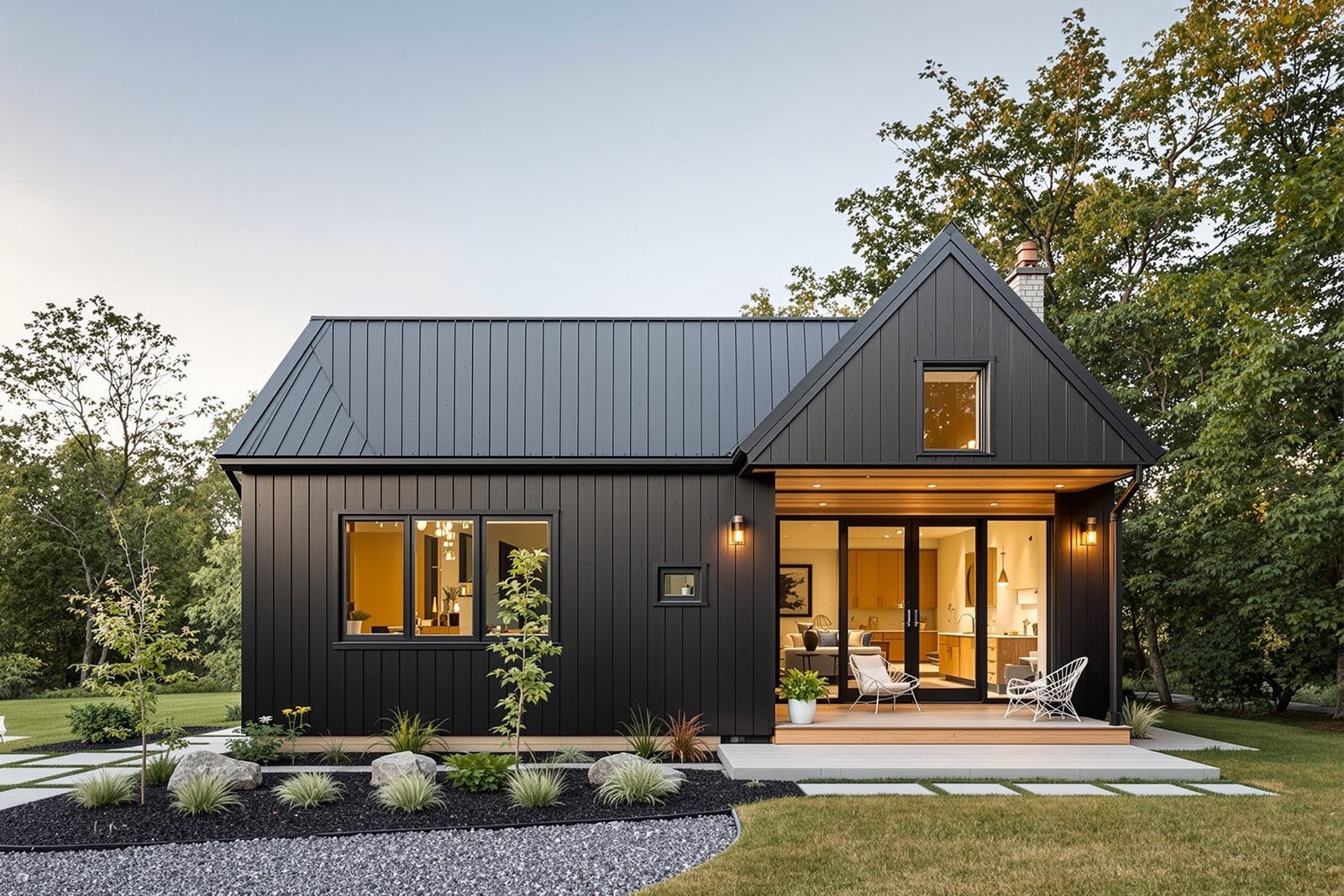
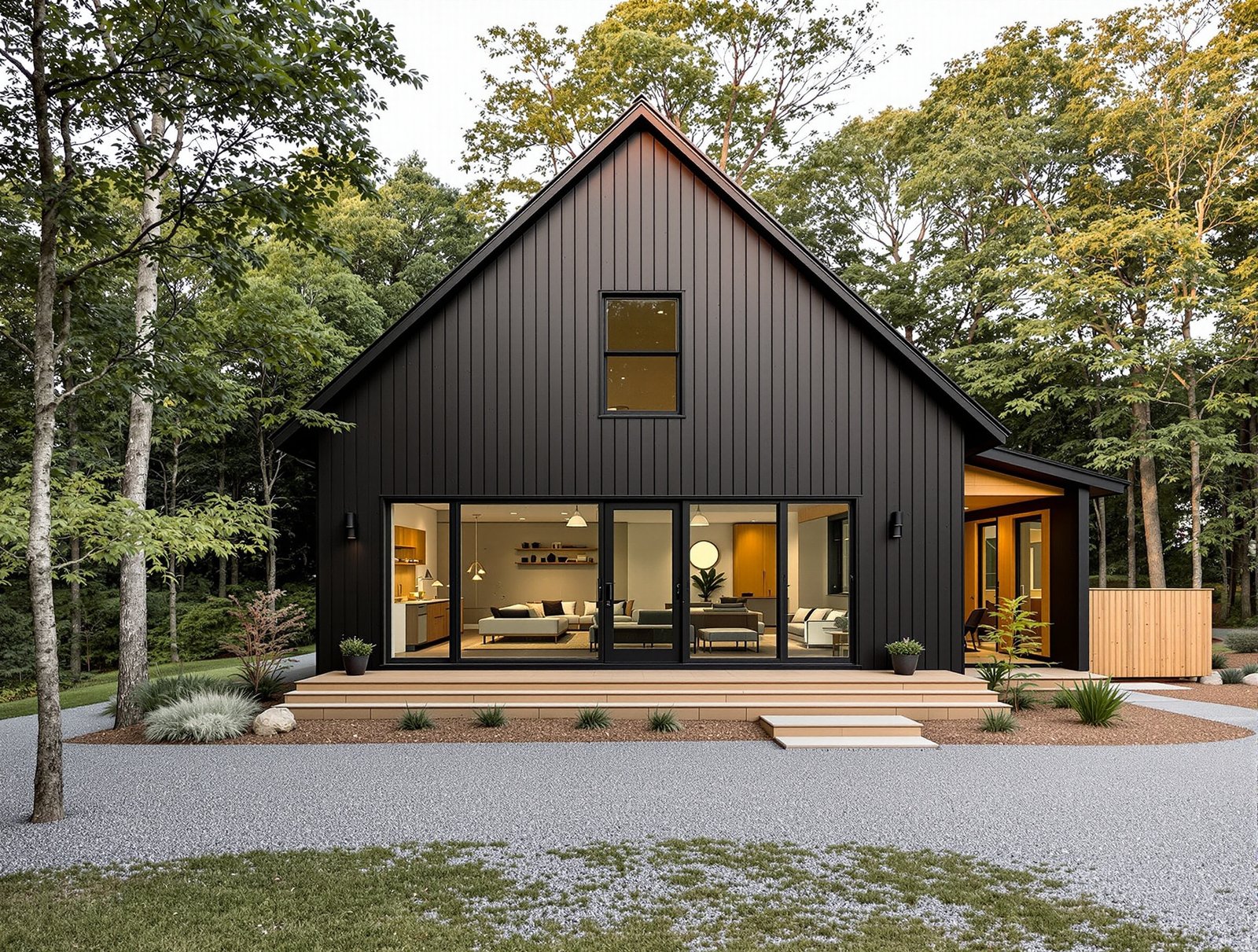
New York ADU front elevation
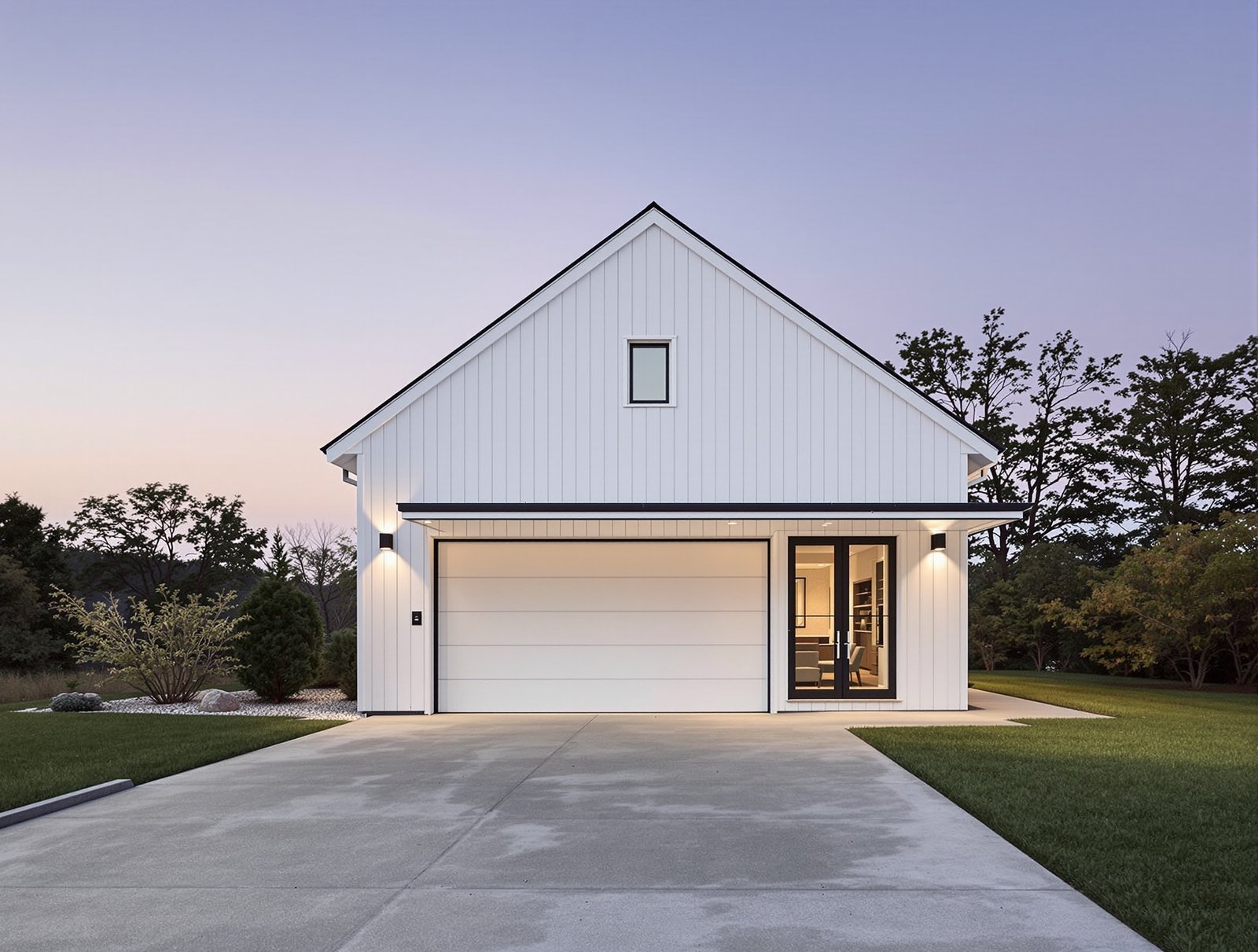
New York Detached ADU
New York Garage Conversion ADU
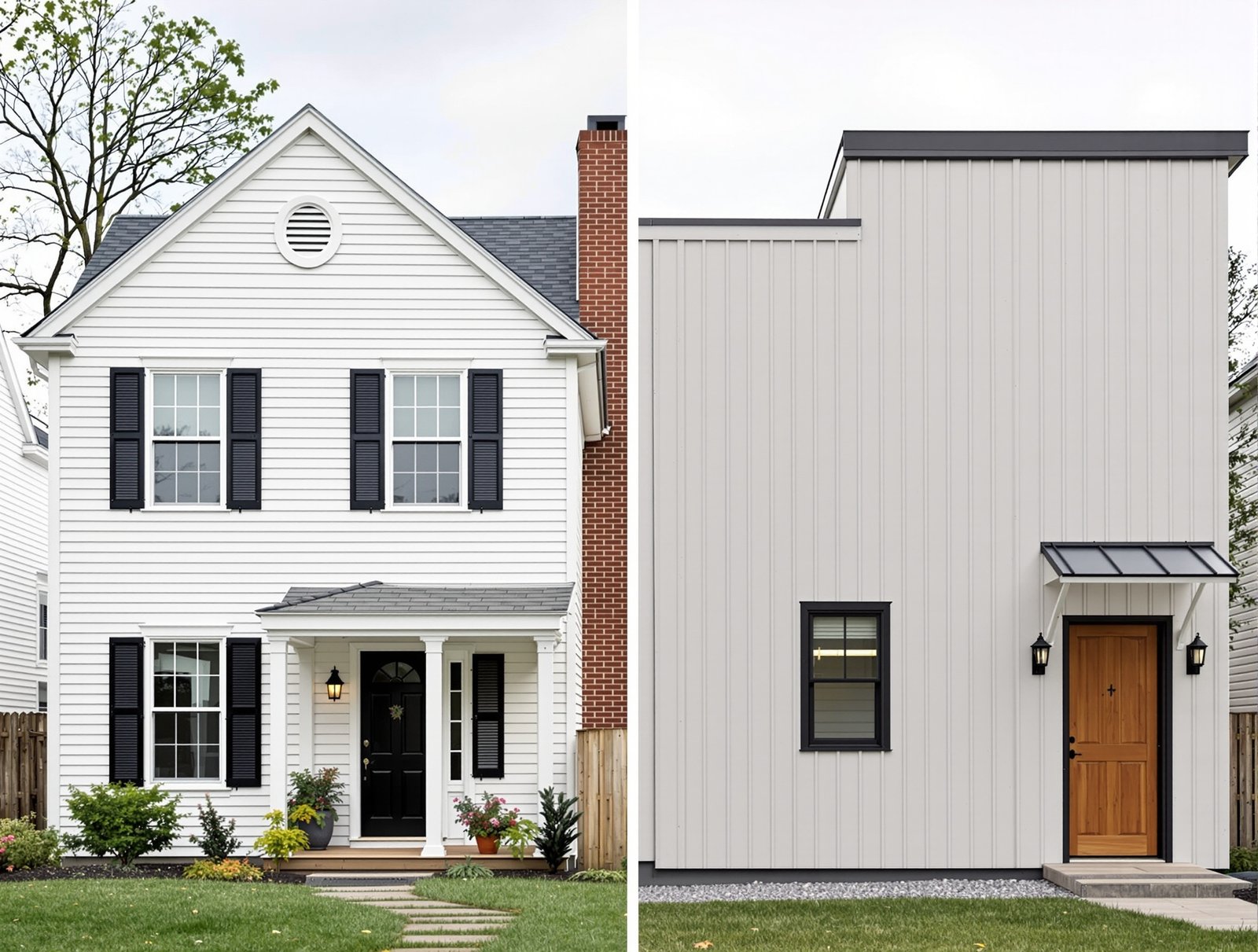
New York Attached ADU
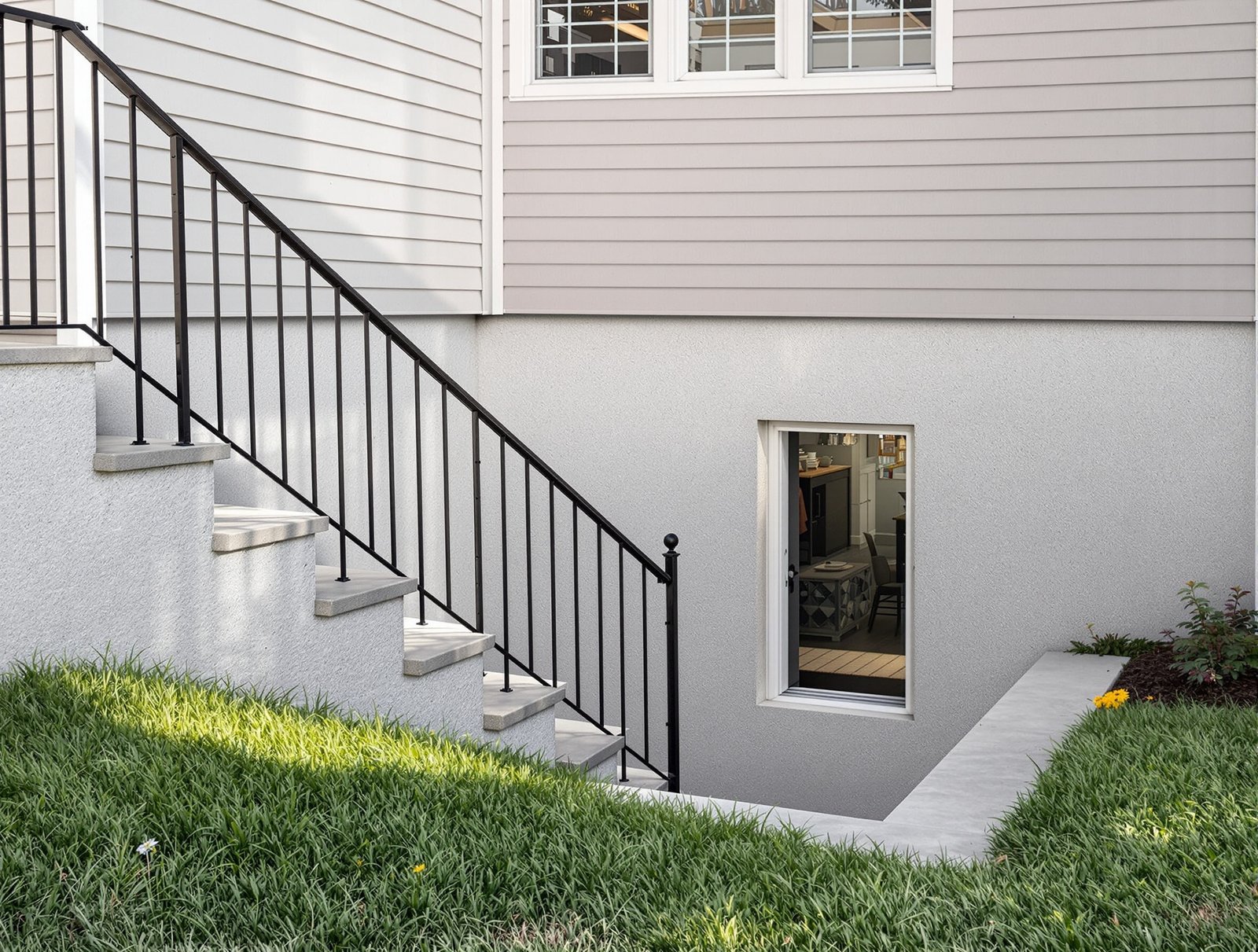
New York Basement Conversion ADU
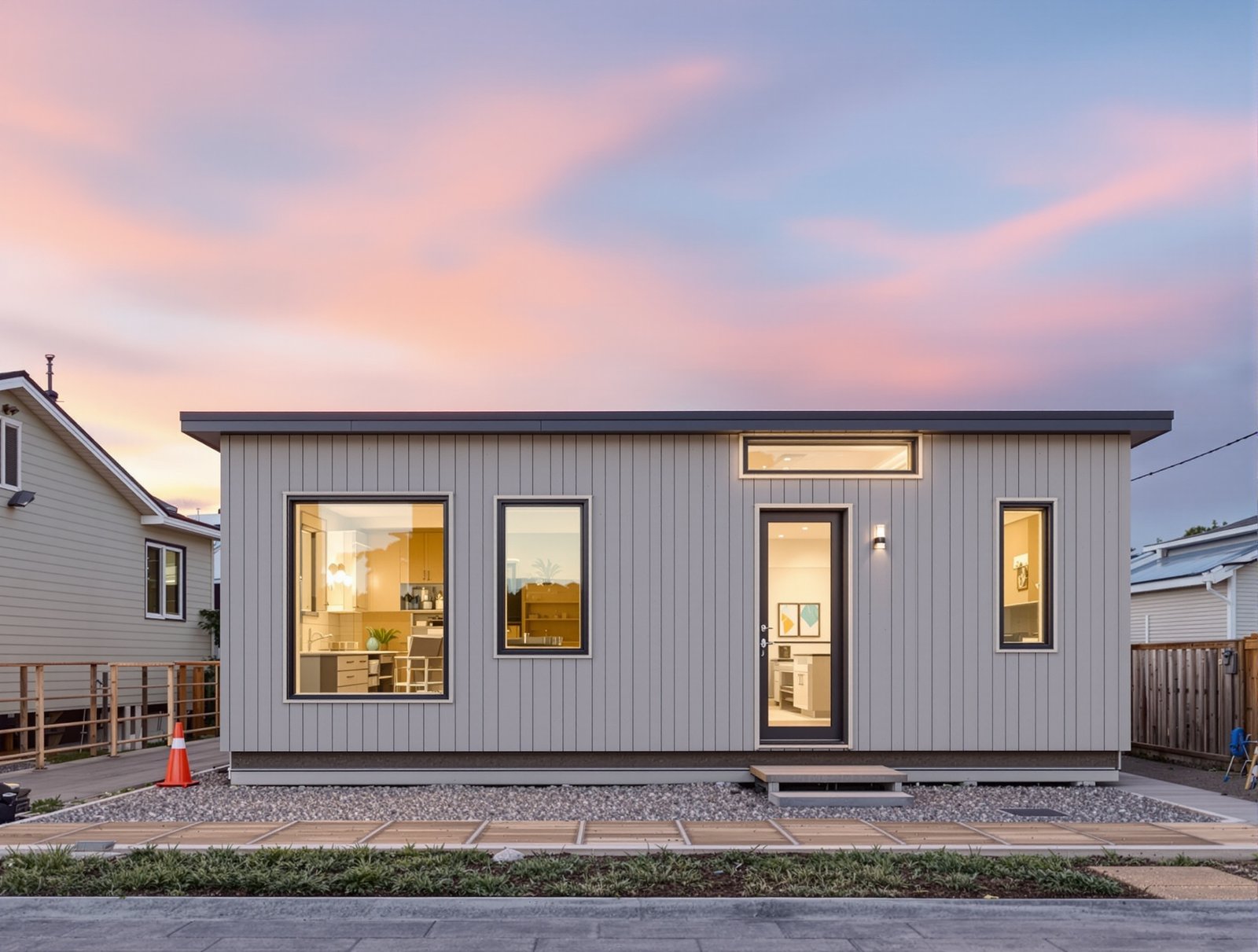
New York Modular Prefab ADU
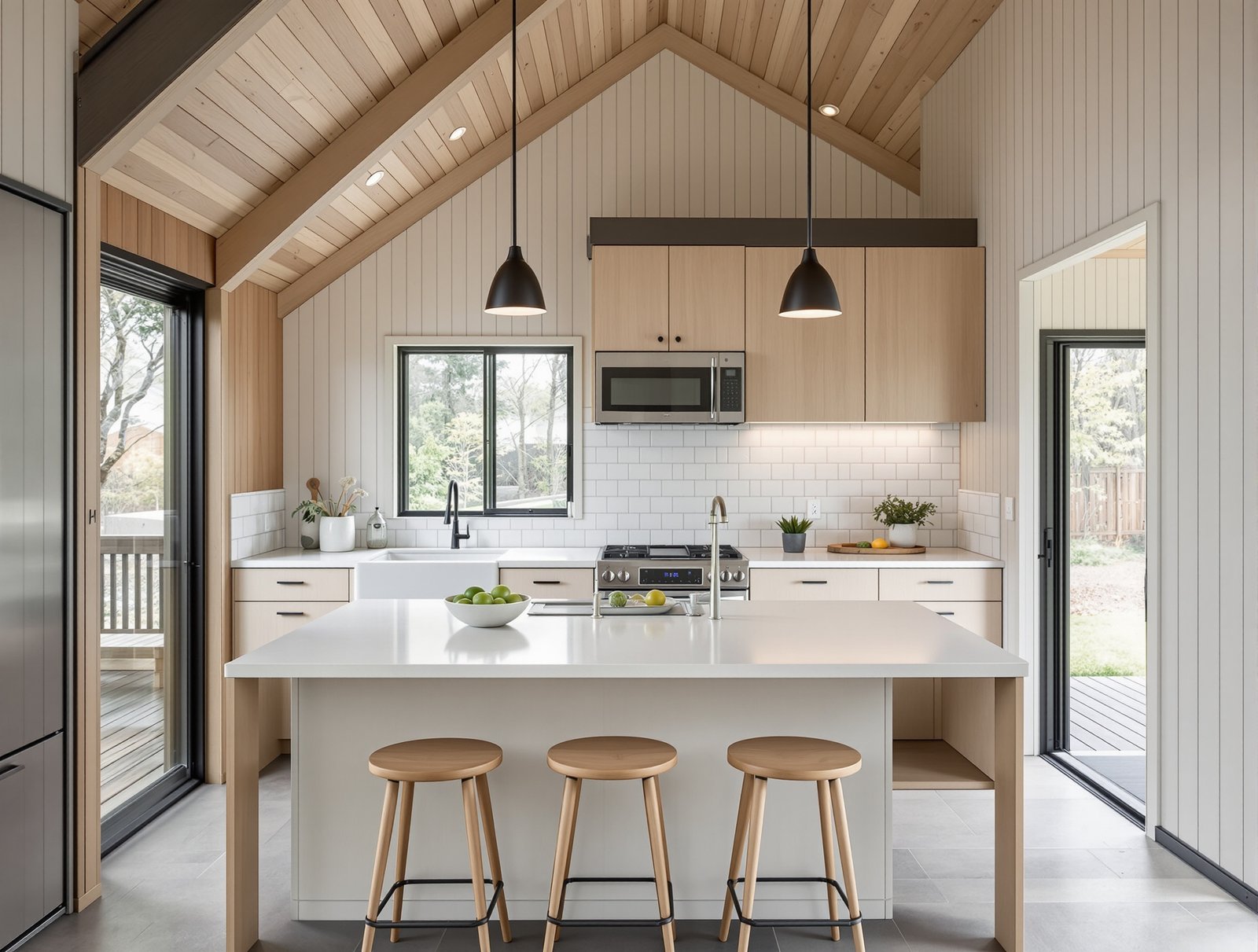
New York ADU kitchen interior
New York ADU living room interior
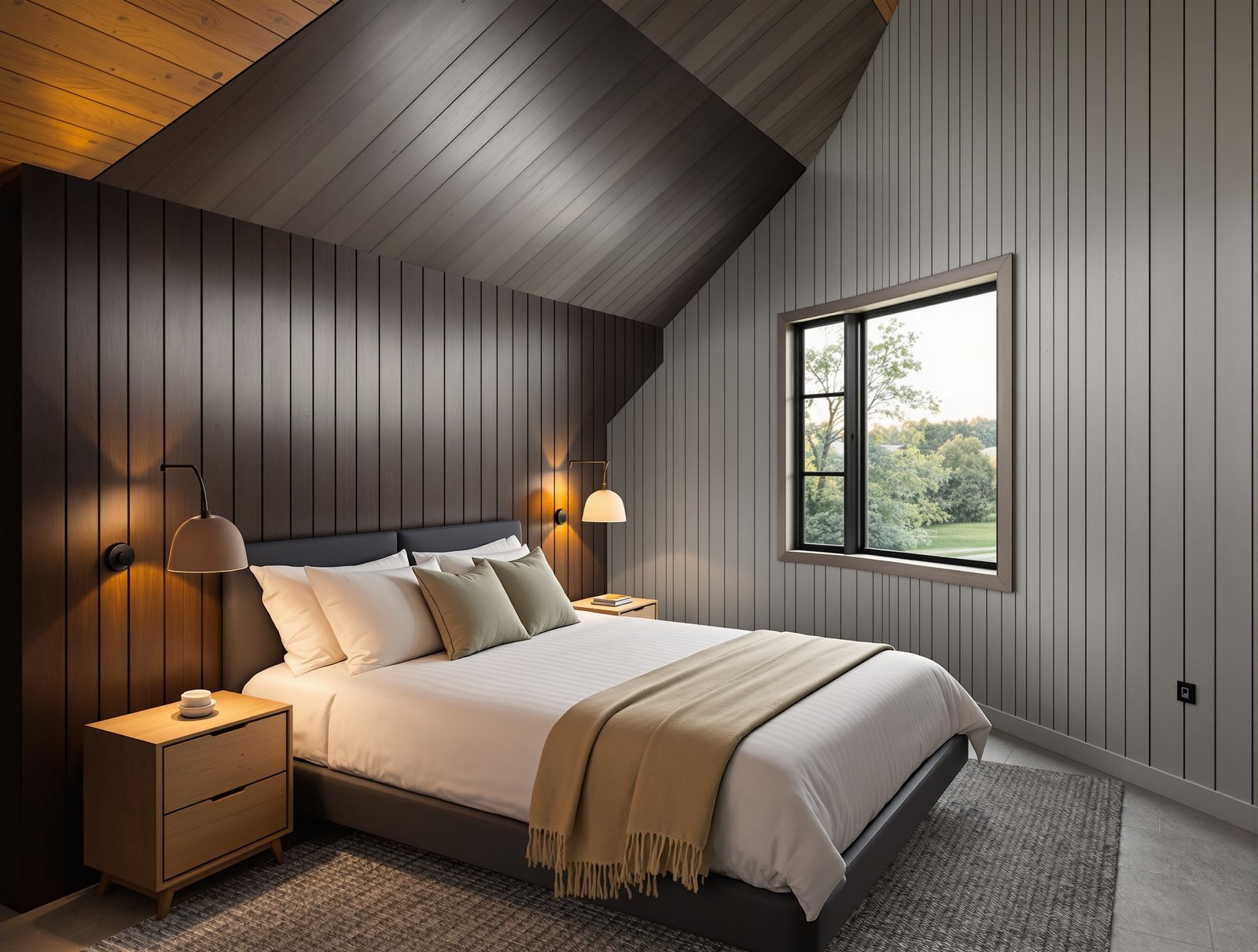
New York ADU bedroom interior
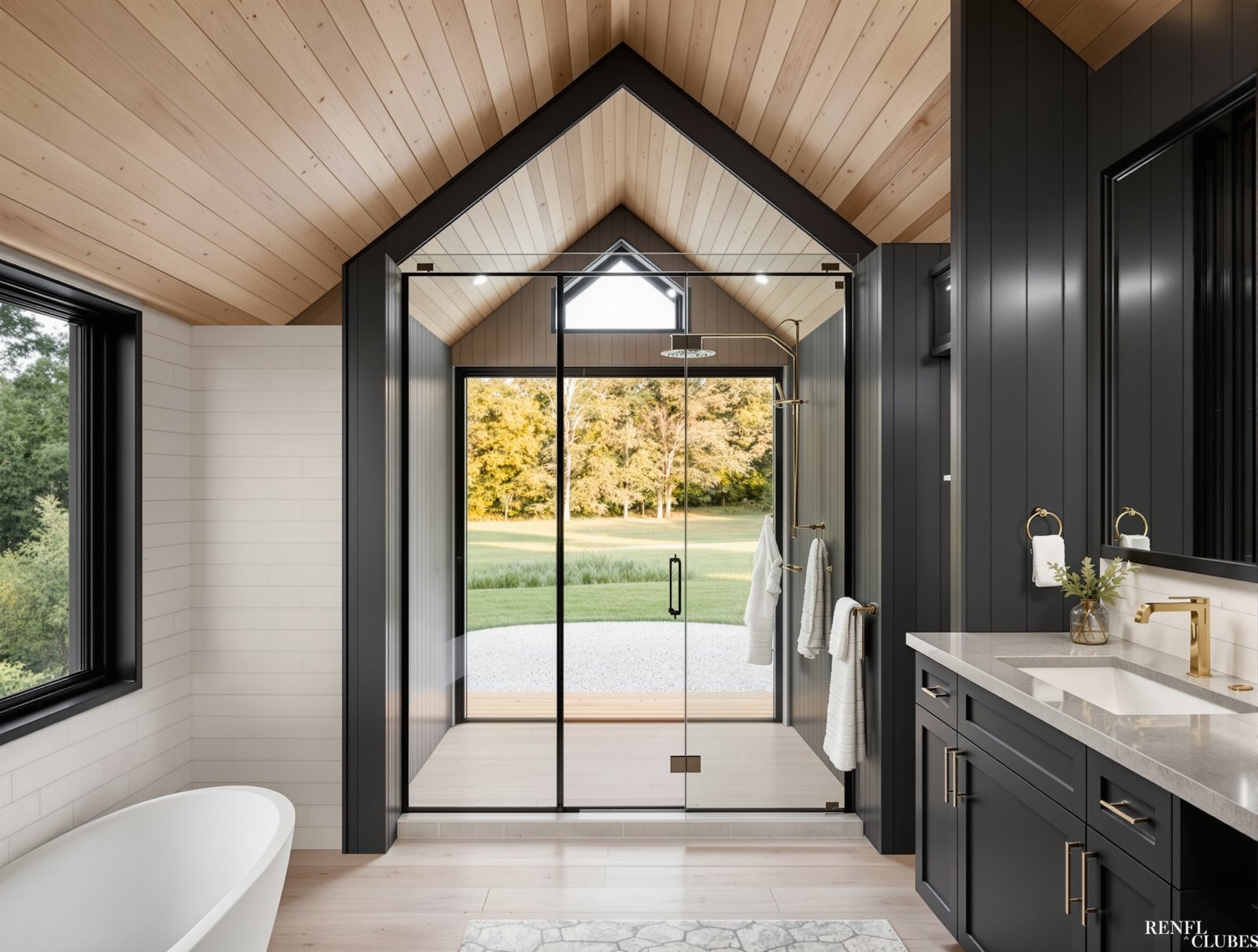
New York ADU bathroom interior
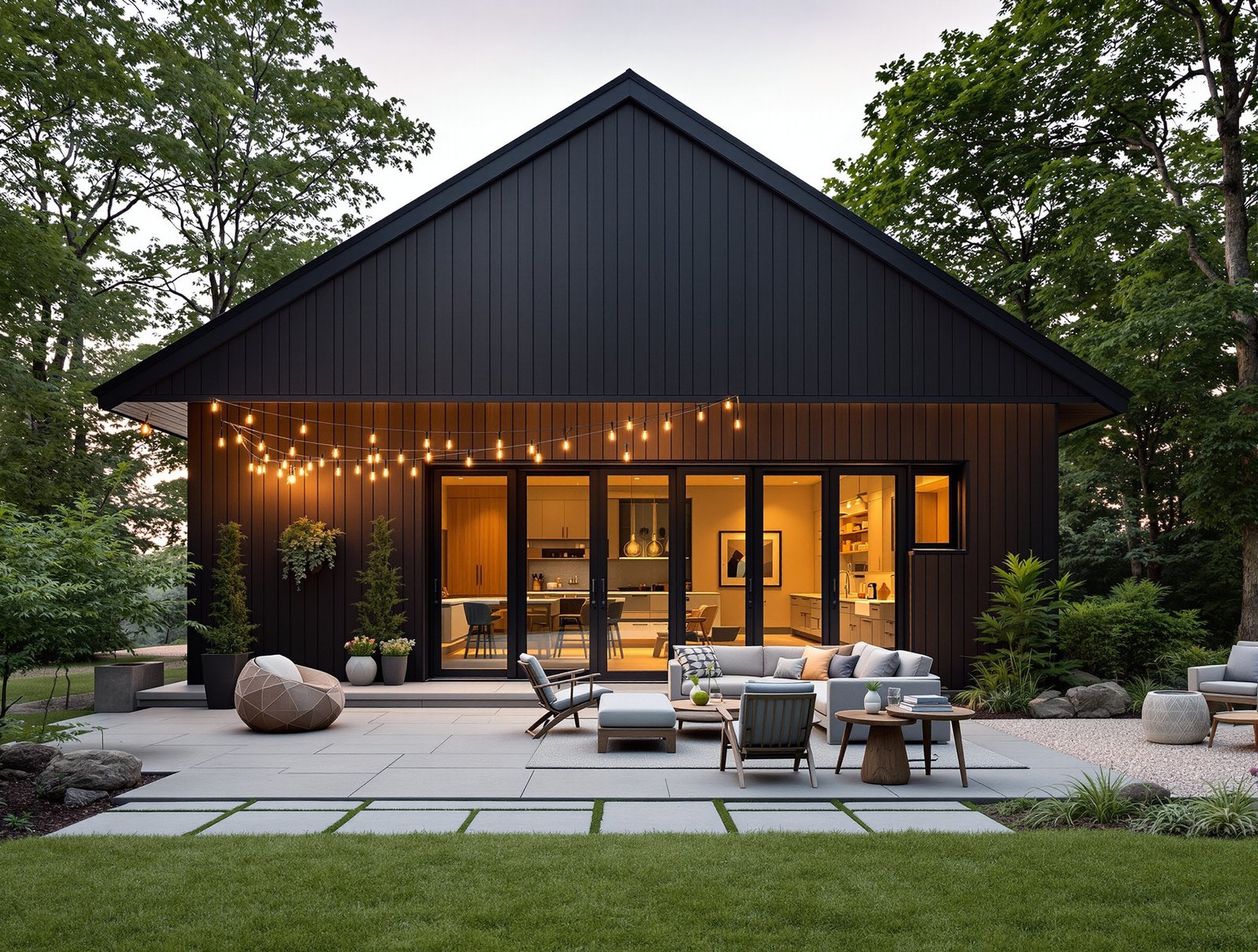
New York ADU outdoor living and patio space
Planning & Inspiration
Planning Reference
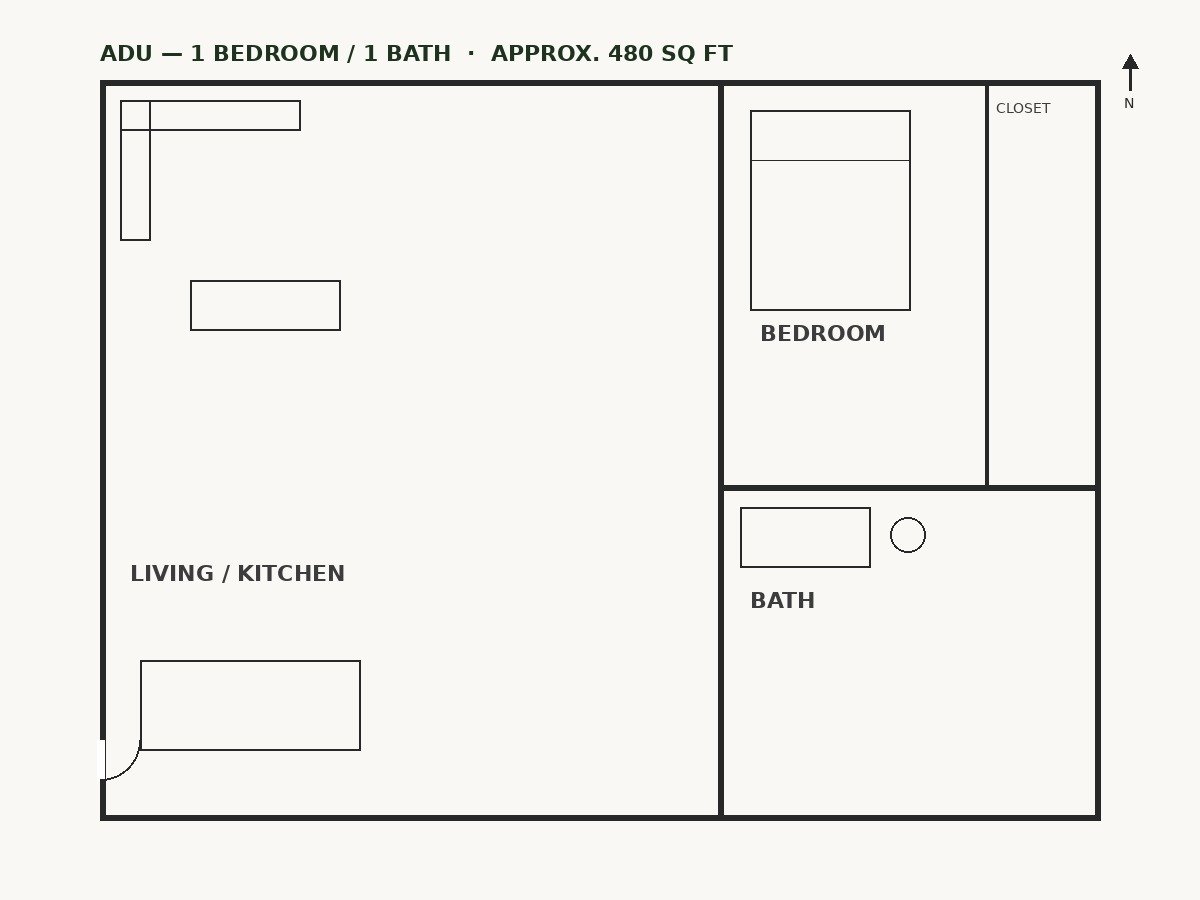
Example 1-bedroom ADU floor plan, illustrative layout
Example Floor Plan

Illustrative 1-bedroom layout. Actual floor plans vary by ADU type, size, local code, and homeowner needs.

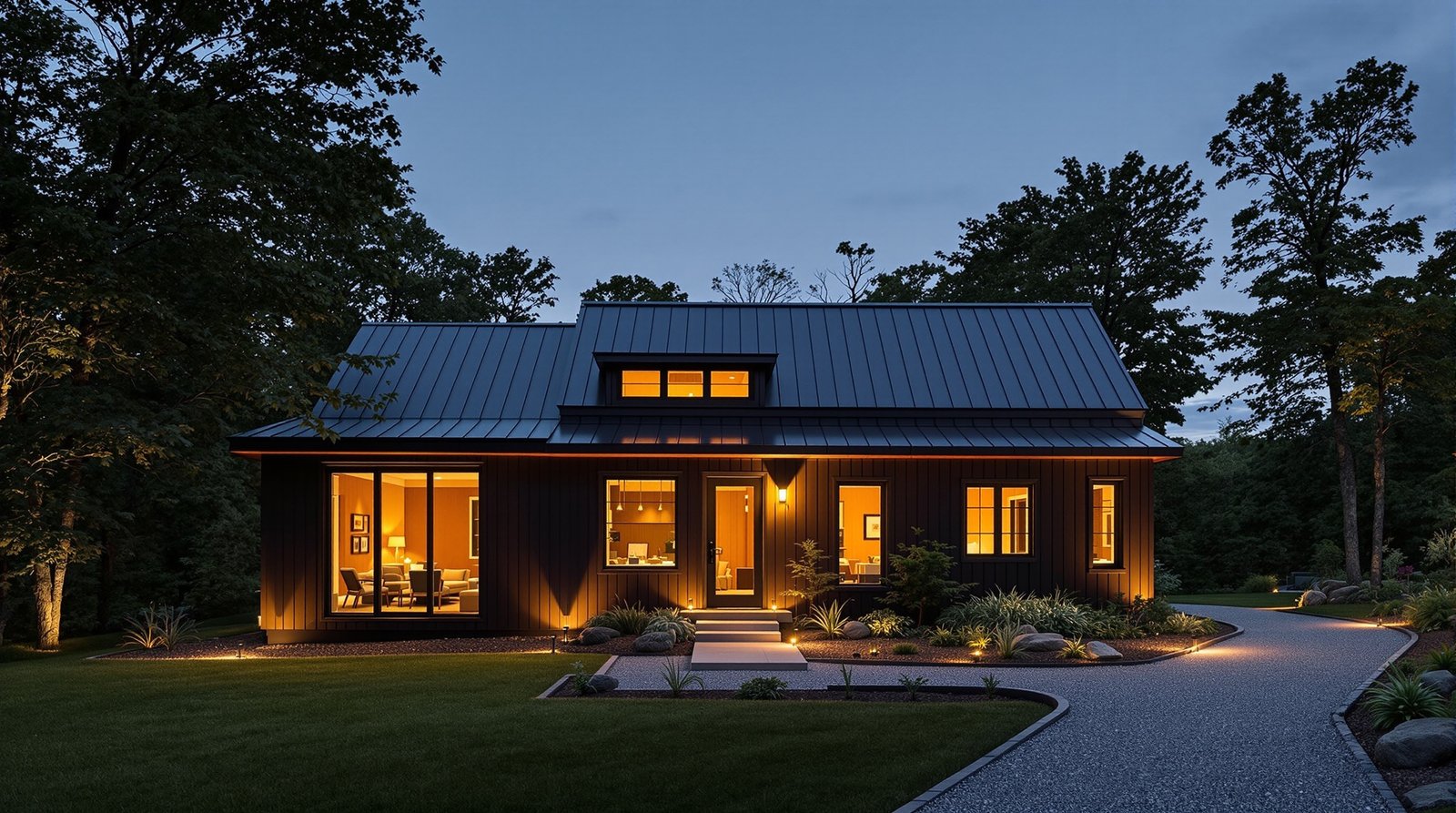
New York ADU exterior at twilight, warm interior light glowing
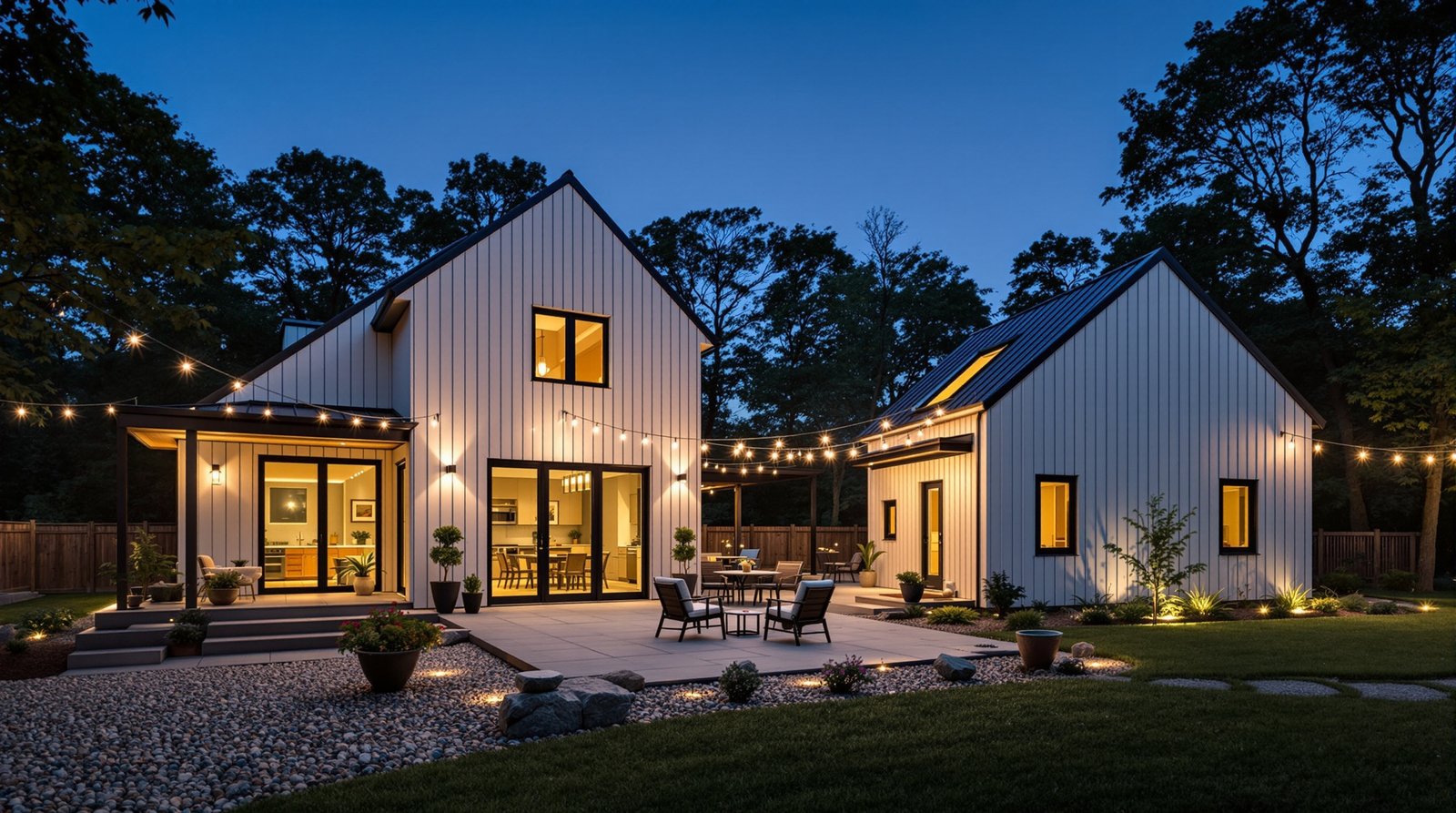
New York ADU and main house evening backyard view
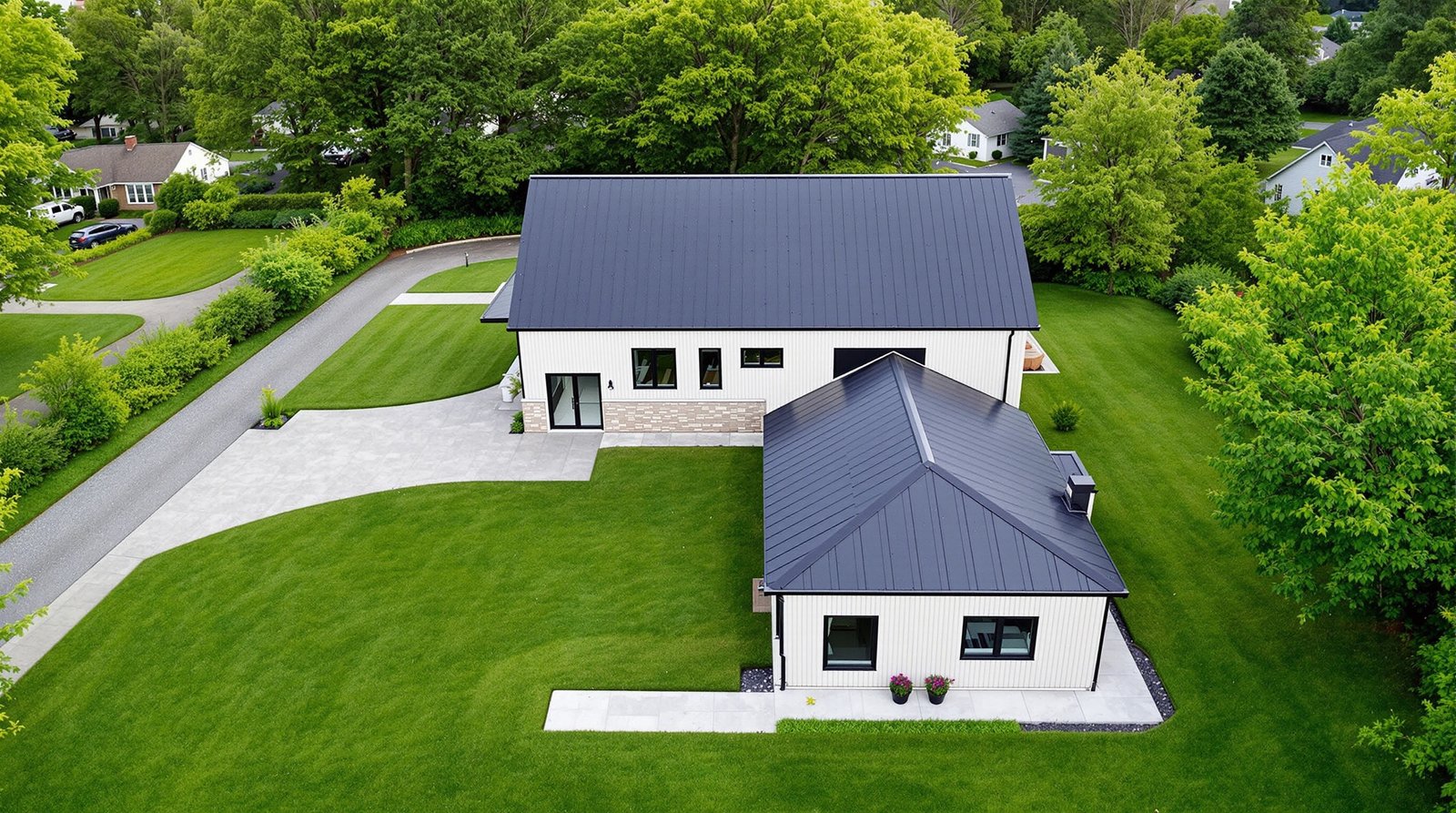
Aerial view of New York property with backyard ADU
At a Glance

New York ADU costs — by type.

Detached ADU
$150K – $520K
NYC outer boroughs skew highest · upstate far more affordable
🏡
Accessory Apartment (Attached)
$100K – $240K
Most common type in NY suburbs · Westchester, Long Island
🔗
Garage Conversion
$70K – $160K
Most relevant outside NYC's dense rowhouse fabric
🚗
Basement / Cellar Conversion
$80K – $180K
NYC's primary ADU option · most affordable citywide
⬇️
Modular / Prefab
$110K – $260K
Factory-built · fastest construction timeline
📦
💡

Local control: Local rules control. No broad statewide ADU siting mandate was identified. Local zoning and building rules control; state tax or housing programs do not themselves establish parcel eligibility. Permit fees and review timing remain planning estimates until confirmed for the specific property.

Calculate My ROI →
ADU Types

Which type fits your property?

01 / Highest Ceiling
Detached ADU
$150K – $520K

Newly permitted in NYC's outer boroughs under 2024's City of Yes legislation. In Queens and Staten Island, a new detached ADU typically costs $280K–$420K. Rental return and payback should be modeled with the adopted statewide HUD benchmark and the homeowner's actual project budget rather than a static city-level promise. Upstate cities like Albany, Syracuse, and Rochester run as low as $150K–$220K.

Detached ADU Guide →
02 / Suburban & Upstate
Garage Conversion
$70K – $160K

Far more relevant in Westchester, Long Island, and upstate suburbs than in NYC's dense rowhouse fabric, where garages are scarce. Conversion costs less than new construction while completing faster.

Garage Conversion Guide →
03 / Fastest Build
Modular / Prefab
$110K – $260K

Factory-built construction offers the fastest, most predictable timeline of any ADU type — a real advantage in a state where multi-layered city and county permit review is common.

Prefab ADU Overview →
04 / Most Common Suburban
Accessory Apartment (Attached)
$100K – $240K

Carved from existing space within the primary structure, this is the most common ADU type in New York suburbs. In Westchester, a well-executed conversion typically costs $120K–$240K; Long Island's single-family stock runs $100K–$200K depending on municipality.

Attached ADU Guide →
05 / NYC's Primary Option
Basement / Cellar Conversion
$80K – $180K

NYC's most accessible ADU type, especially in the outer boroughs where attached rowhouses frequently have full basement footprints. NYC requires legal egress windows, 8-foot minimum ceiling heights, and separate utility metering — compliance adds $20K–$40K to many projects.

Basement ADU Guide →
Cost by Region

Every New York market is different.

Manhattan & Brooklyn
Brownstone neighborhoods
$294K–$406K
$420–$580 per sq ft
Highest cost
Westchester & Long Island
Nassau · Suffolk · Westchester County
$196K–$301K
$280–$430 per sq ft
High
Hudson Valley
Outer suburbs
$161K–$224K
$230–$320 per sq ft
Moderate
Upstate Metros
Albany · Syracuse · Rochester · Buffalo
$119K–$175K
$170–$250 per sq ft
Most affordable
Cost Factors

Why New York ADUs cost what they cost.

🏙️
NYC Land & Labor Costs
New York City's astronomical land and labor costs drive the state's highest construction rates. Manhattan and Brooklyn brownstone work runs $420–$580 per sq ft, versus $170–$250 upstate.
Up to 3x upstate rates
🚪
Egress & Compliance Requirements
NYC requires legal egress windows, 8-foot minimum ceiling heights, and separate utility metering for legal basement rental units — compliance costs add $20,000–$40,000 to many basement conversion projects.
$20K–$40K added cost
📜
City of Yes (2024)
NYC's City of Yes for Housing Opportunity is the most significant zoning change in the city's history, allowing ADUs in all residential zones and removing parking requirements near transit. Implementation is ongoing as new Department of Buildings rules take effect.
Opened ADUs citywide
⚖️
Current ADU Legal Framework
No broad statewide ADU siting mandate was identified. Local zoning and building rules control; state tax or housing programs do not themselves establish parcel eligibility.
Local control · Local rules control
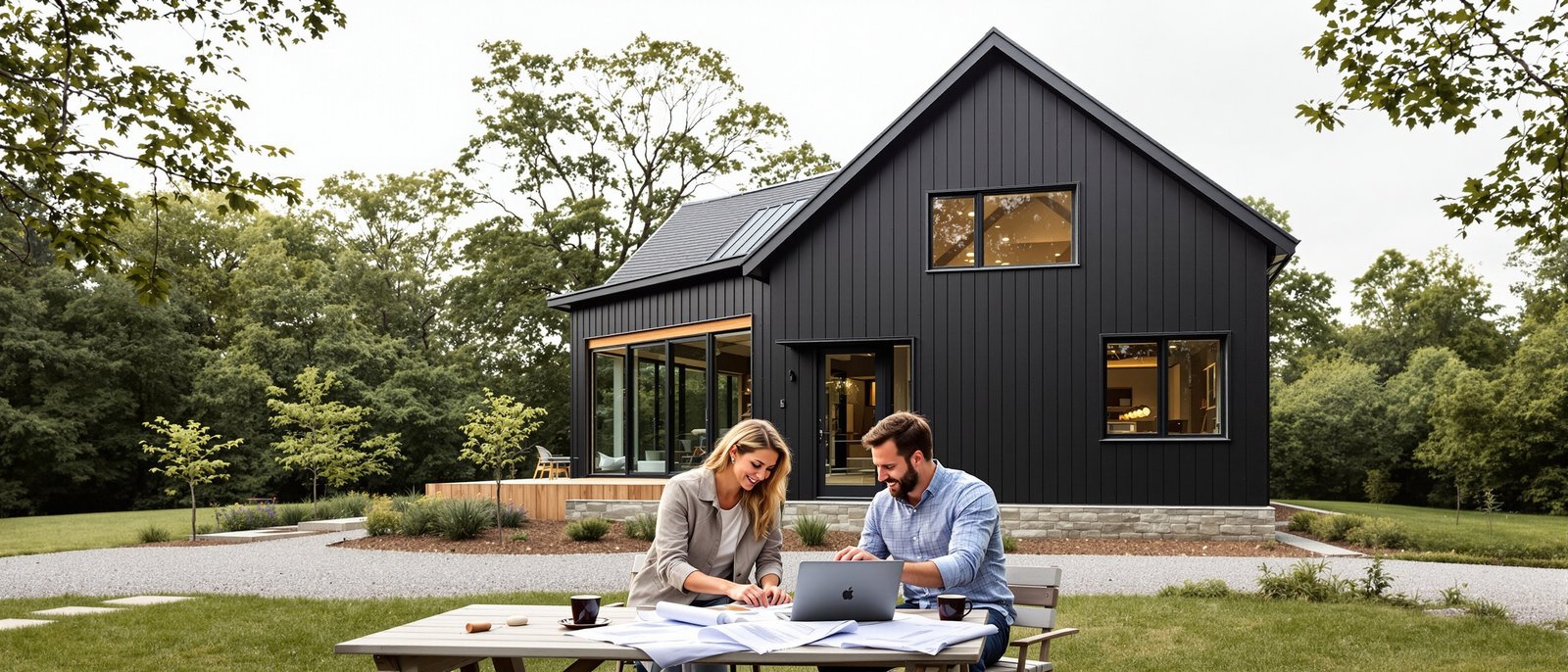
Homeowners reviewing ADU permit documents
Permits & Fees

What permitting actually costs.

No broad statewide ADU siting mandate was identified. Local zoning and building rules control; state tax or housing programs do not themselves establish parcel eligibility. The detailed figures below are representative planning ranges, not a statewide fee schedule or review-time guarantee.

📄
NYC Permit Fees
$20,000 – $55,000
Typical range across the five boroughs.
🏛️
Manhattan / Brooklyn Permit Fees
$35,000 – $65,000
Brownstone conversions, highest end of NYC range.
💧
Westchester / Long Island Permit Fees
$20,000 – $42,000
Varies by county and municipality.
📋
Upstate Permit Fees
$9,000 – $18,000
Albany, Syracuse, Rochester, Buffalo.
🧾
Basement Egress Compliance
$20,000 – $40,000
NYC-specific: legal egress windows, ceiling height, separate utility metering.
Verified August 5, 2026 · Local control
Local rules control

No broad statewide ADU siting mandate was identified. Local zoning and building rules control; state tax or housing programs do not themselves establish parcel eligibility.

Legal classificationLocal control
Governing frameworkLocal rules control
Representative permit fees$20,000 – $55,000
Representative review timeVerify locally
Local verificationRequired

Source: NationwideADU 51-jurisdiction law directory →

Verify the property before design

These are planning benchmarks, not a permit quote, eligibility ruling, or legal opinion. Confirm zoning, building, utility, site, private-covenant, fee, and timing requirements with the current local authorities. See the 51-jurisdiction law directory and national permit guide.

Return on Investment

New York ROI planning inputs.

$1,050–$2,450
Adopted statewide 1-bedroom rent range
15%
National property-value planning input
10%–20%
Property-value uncertainty range
30%
Operating-expense planning reserve
Rent source
HUD FY2026 revised
One-bedroom FMR market basket
Exact HUD mappings
ROI-CM-1.4
Home-value source
Statewide Zillow ZHVI
June 30, 2026
One statewide input
Not a valuation
Payback period
Calculated live
Budget, ADU type, size and rent
No static statewide promise
Full methodology
Transparent sources
HUD, Census PUMS, Zillow and FHFA
Planning estimate, not a valuation
Save Money

5 ways to cut your
New York ADU cost now.

New York's high construction costs are offset by the strongest rental demand in the country — these moves help you capture that return and avoid the most common costly mistakes.

Calculate My ADU ROI →
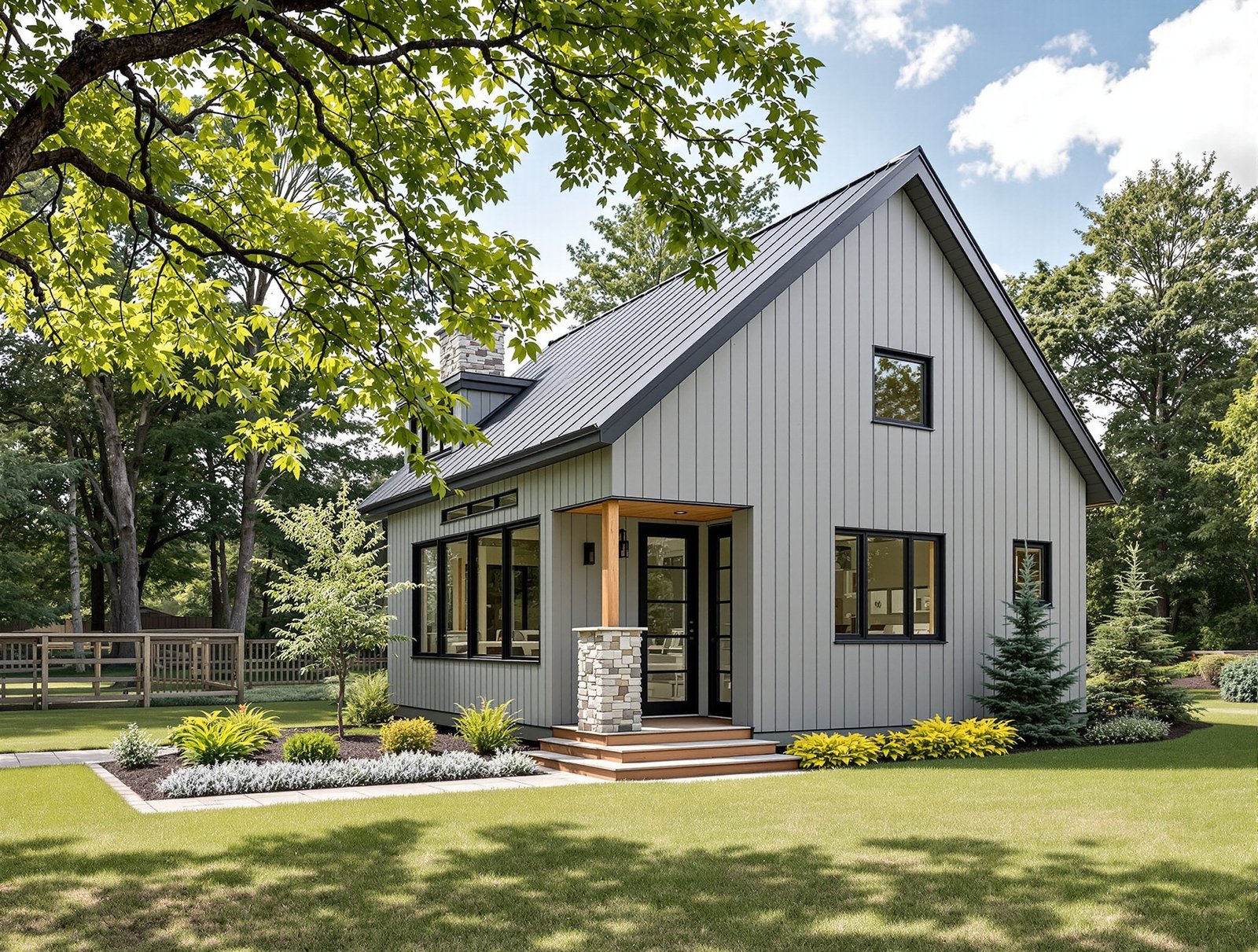
Compact detached ADU exterior
🏡
Compact Detached ADU
New York — statewide range
Property-Value Planning Input
15%
1
Apply for NYC's Basement Conversion Pilot Program
If your basement is in a select NYC neighborhood, this program provides low-interest loans and technical assistance covering inspection, design, and construction costs up to $395,000 per unit — significantly reducing out-of-pocket cost. Check nyc.gov/site/hpd for current eligibility.
Can cover most or all construction cost
2
Consider a basement conversion before detached new construction
In NYC, a basement or cellar conversion typically costs $80,000–$180,000 versus $280,000–$520,000 for detached new construction — and it's NYC's most legally accessible option under City of Yes.
Saves $150K–$300K+ vs. detached
3
Verify your specific address under City of Yes
Implementation of NYC's 2024 rezoning is ongoing — some provisions took effect immediately while others require new Department of Buildings rules. Check nyc.gov/buildings for what's currently permitted at your specific address before committing to design.
Prevents wasted design fees
4
Get a minimum of three contractor bids
Contractor pricing for ADU projects in New York varies significantly by borough and county. Getting three bids from contractors with local ADU permit experience is the most reliable way to avoid overpaying, especially in NYC's complex regulatory environment.
Prevents overpayment
5
Verify your contractor's NYC license, not just state license
New York State requires contractors to be licensed by the Department of State, but NYC additionally requires a Home Improvement Contractor license from the Department of Consumer and Worker Protection. A state license alone is insufficient for work within the five boroughs — verify both at dos.ny.gov and nyc.gov/dca.
Protects your permit and investment
Frequently Asked Questions

New York ADU answers.

Does NYC allow ADUs after the 2024 City of Yes legislation?
Yes. NYC's City of Yes for Housing Opportunity (approved December 2024) is the most significant zoning change in the city's history. It allows ADUs in all residential zones, removes parking requirements for ADUs near transit, and permits basement conversions in previously prohibited areas. Implementation is ongoing — check nyc.gov/buildings for current requirements at your specific address.
How much does an ADU cost in New York?
ADU costs in New York range from $80,000 for an NYC basement conversion to $520,000 for detached new construction in the NYC metro. Costs drop significantly outside NYC — upstate cities like Albany, Syracuse, and Rochester offer new detached units for $150,000–$220,000.
What is the NYC basement apartment legalization program?
NYC has a Basement Apartment Conversion Pilot Program that provides low-interest loans and technical assistance to homeowners in select neighborhoods, covering inspection, design, and construction costs up to $395,000 per unit. Check nyc.gov/site/hpd for current program availability and eligibility.
Do Westchester municipalities allow ADUs?
Westchester County has significant variation by municipality. Cities like Yonkers and White Plains have more permissive ADU zoning, while many Westchester villages have restrictive zoning that limits ADU size or requires special permits. New York State's 2022 accessory apartment legislation requires municipalities to allow at least one accessory apartment per single-family lot, but enforcement has been inconsistent — always verify with your specific village or town planning board.
What is the ROI on an ADU in New York?
The adopted New York one-bedroom planning range is $1,050–$2,450 per month, derived from the HUD FY2026 revised FMR market basket under ROI-CM-1.4. Payback is calculated from the homeowner's budget, ADU type, size, rent range, and a 30% operating-expense reserve. Property value uses a 15% national planning input with a 10%–20% uncertainty range; it is not a valuation.
How do I find a licensed contractor in New York?
New York State requires home improvement contractors to be licensed by the Department of State. NYC additionally requires a Home Improvement Contractor license from the Department of Consumer and Worker Protection. Verify state licensing at dos.ny.gov and NYC licensing at nyc.gov/dca — a state license alone is insufficient for work within the five boroughs.
Ready to find out what your ADU will actually cost?

Start with the ROI calculator. Free, no signup, no contractor pitch. Just the data.

Planning Disclaimer: Cost, fee, and timeline ranges are approximations for education and early planning; actual requirements and costs vary with the property, local authority, utilities, site conditions, design, and contractor. The New York legal classification and framework shown here were verified on August 5, 2026, but they do not determine parcel eligibility and are not legal advice. Confirm current zoning, building, utility, private-covenant, fee, and timing requirements directly with the applicable authorities before design or construction. Obtain at least three contractor bids before committing to a project budget. Last updated August 2026.