2026 Cost Guide · Updated June 2026

ADU Cost in New Hampshire — Manchester, Nashua, Concord & Statewide

New Hampshire's Boston commuter belt drives strong ADU demand in southern counties. Here's what ADUs cost across Manchester, Nashua, Concord, and statewide — with no state income tax and permit data.

$92K–$335K Detached ADU (statewide)
$56K–$168K Garage conversion (lowest cost)
HUD FY2026Adopted rent benchmark
No state law Rules set city-by-city

NEW HAMPSHIRE
ADU Collection

Beautiful. Functional. Built for New Hampshire Living.

🏠Increase Property Value
💲Generate Rental Income
👥Multi-Generational Living
🌿Sustainable Design
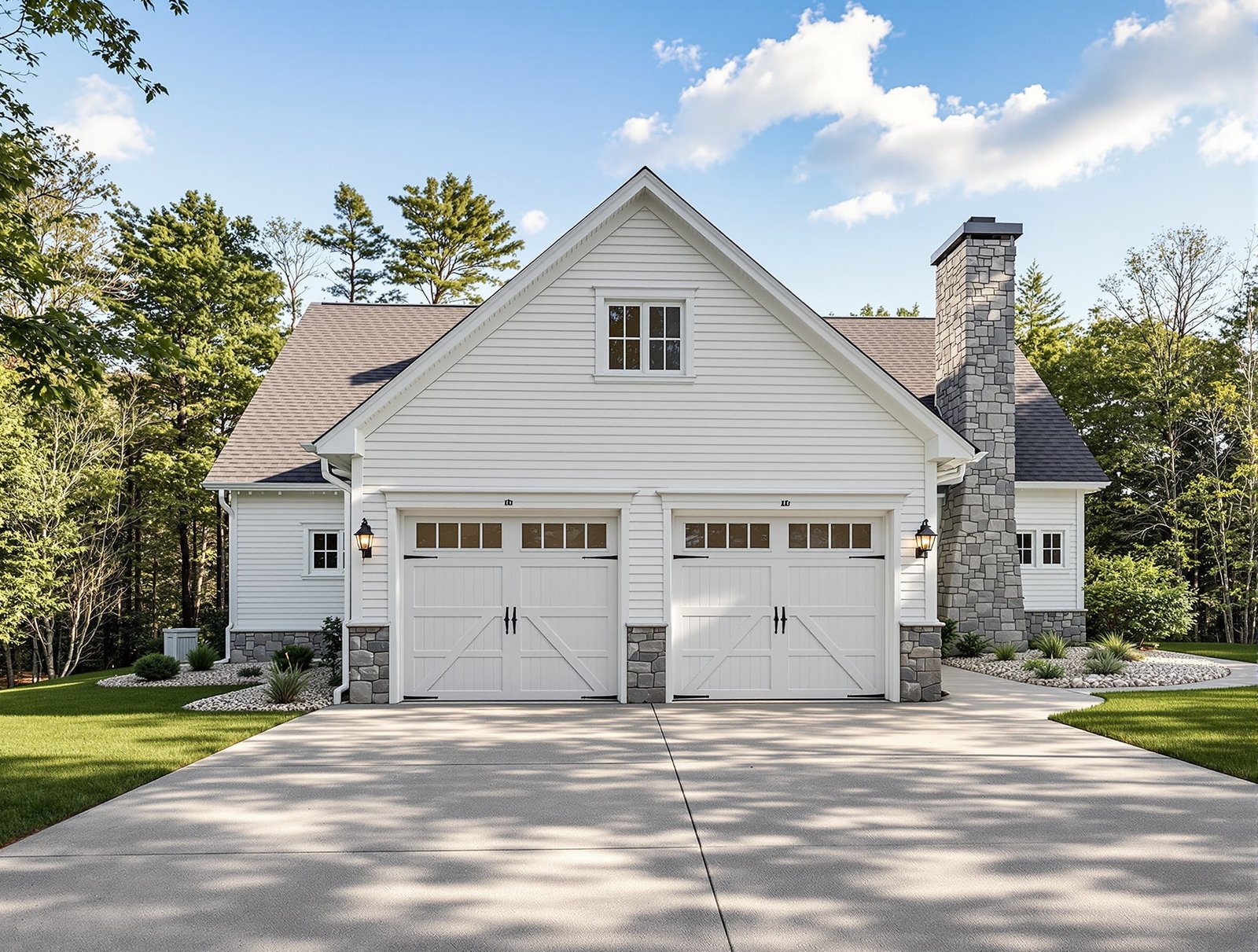
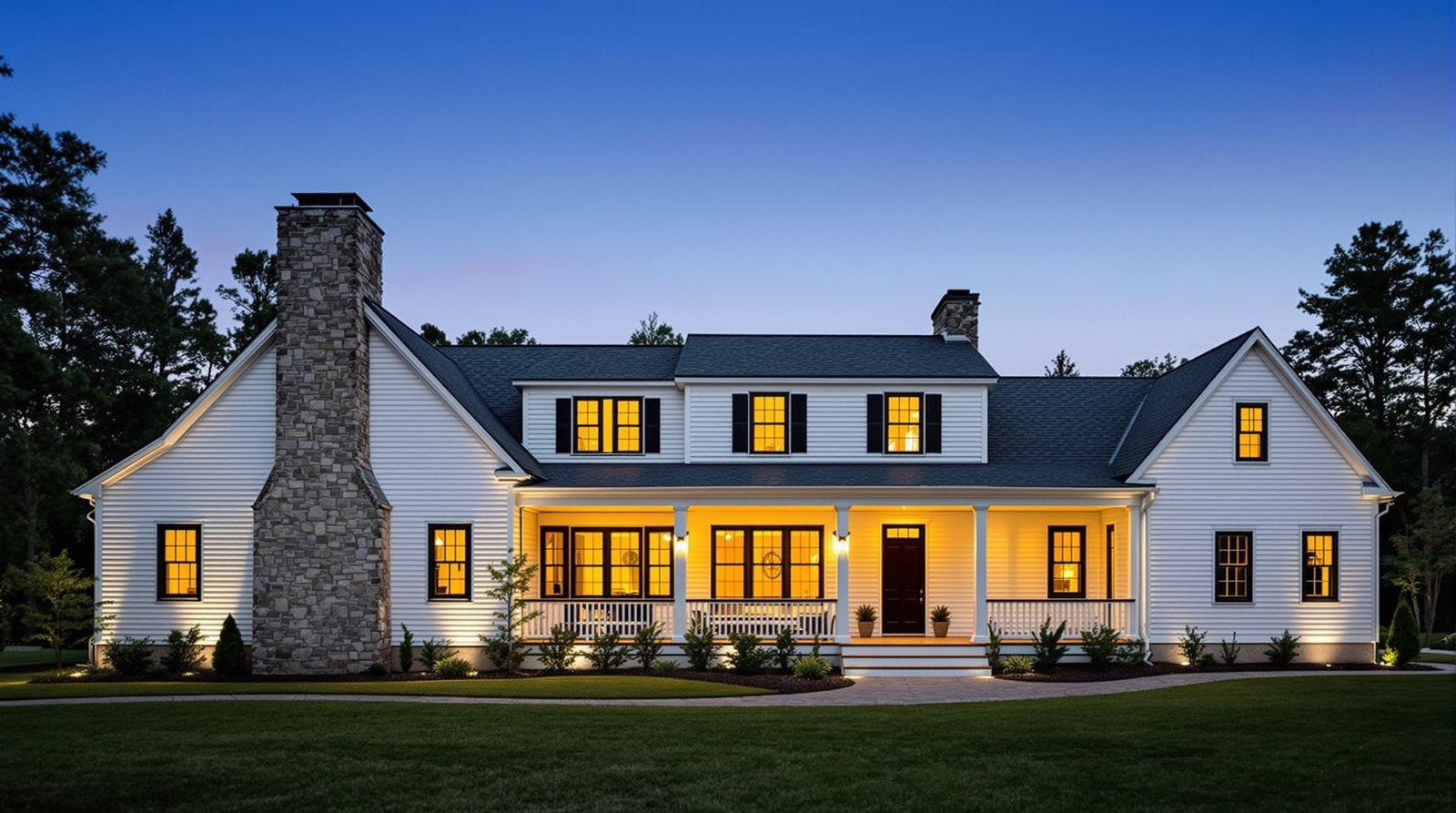
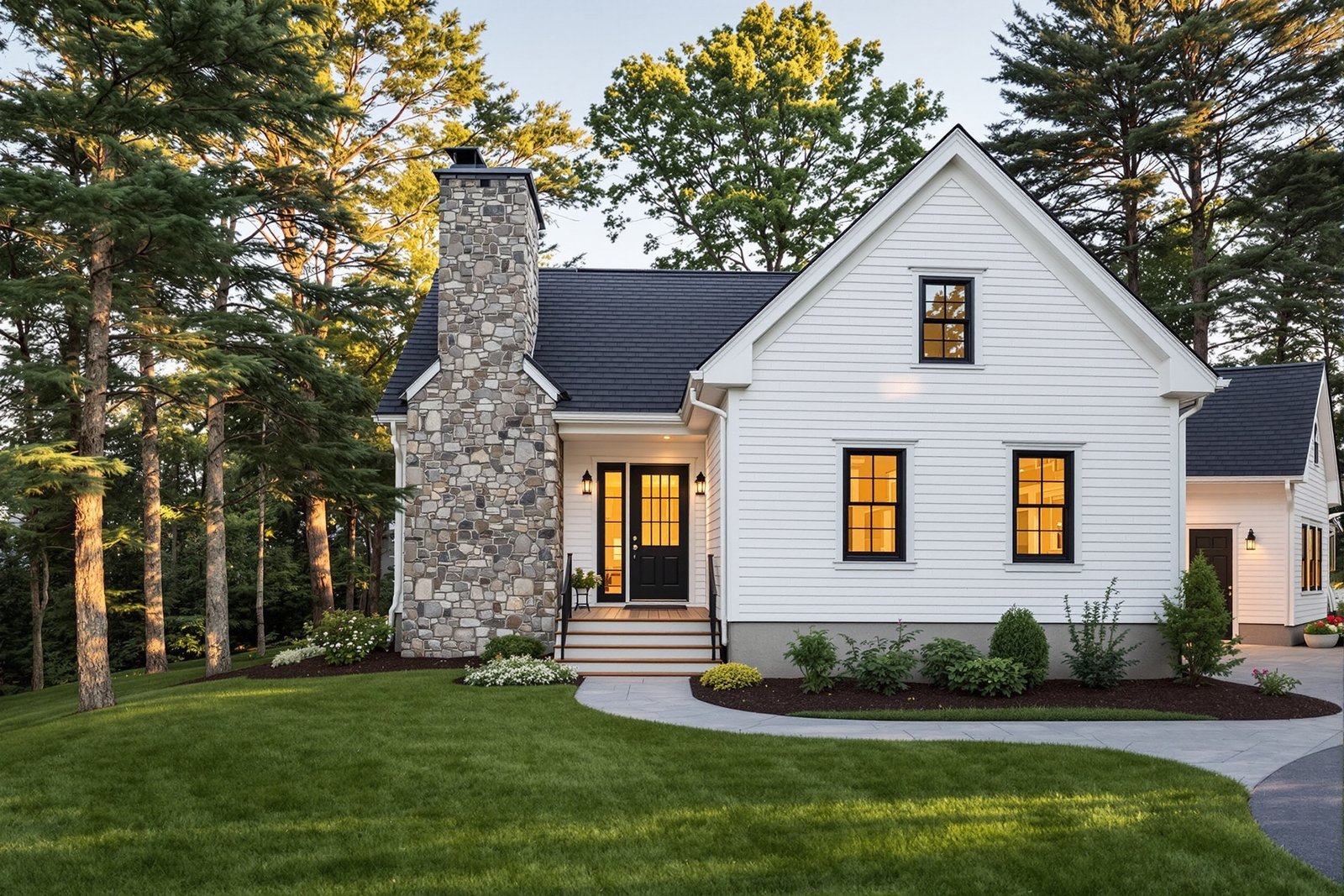
New Hampshire ADU front elevation
New Hampshire Detached ADU
New Hampshire Garage Conversion ADU
New Hampshire Attached ADU
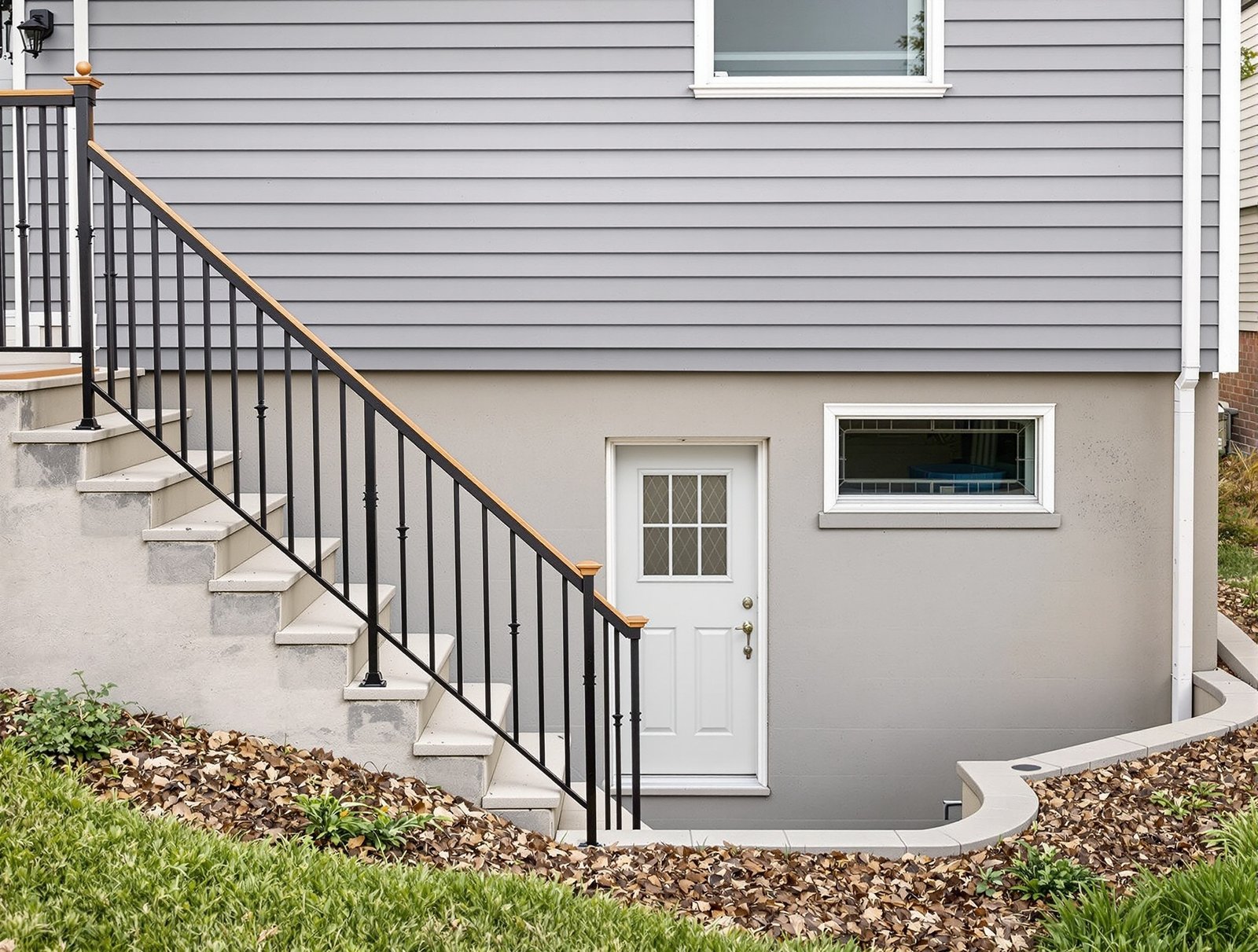
New Hampshire Basement Conversion ADU
New Hampshire Modular Prefab ADU
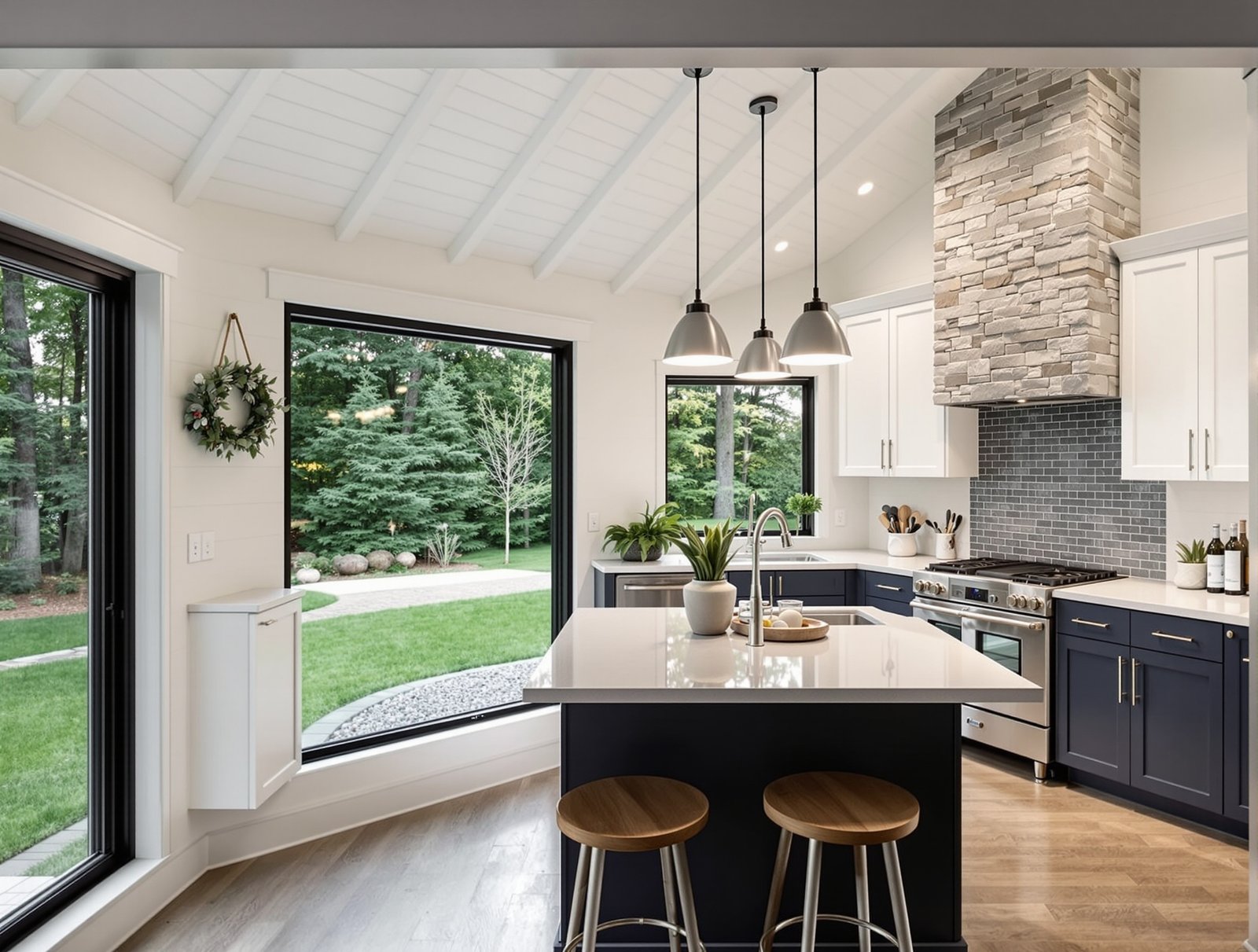
New Hampshire ADU kitchen interior
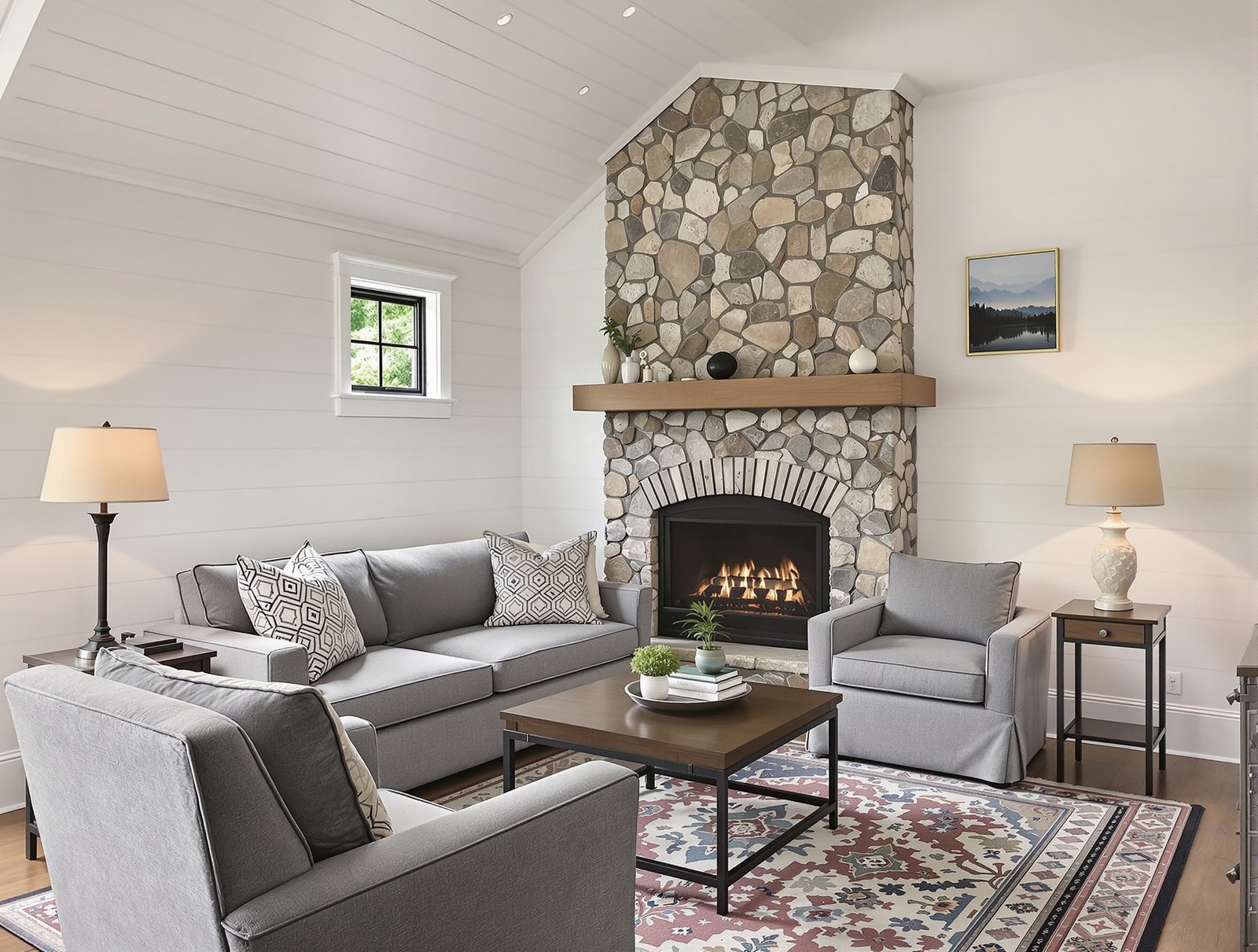
New Hampshire ADU living room interior
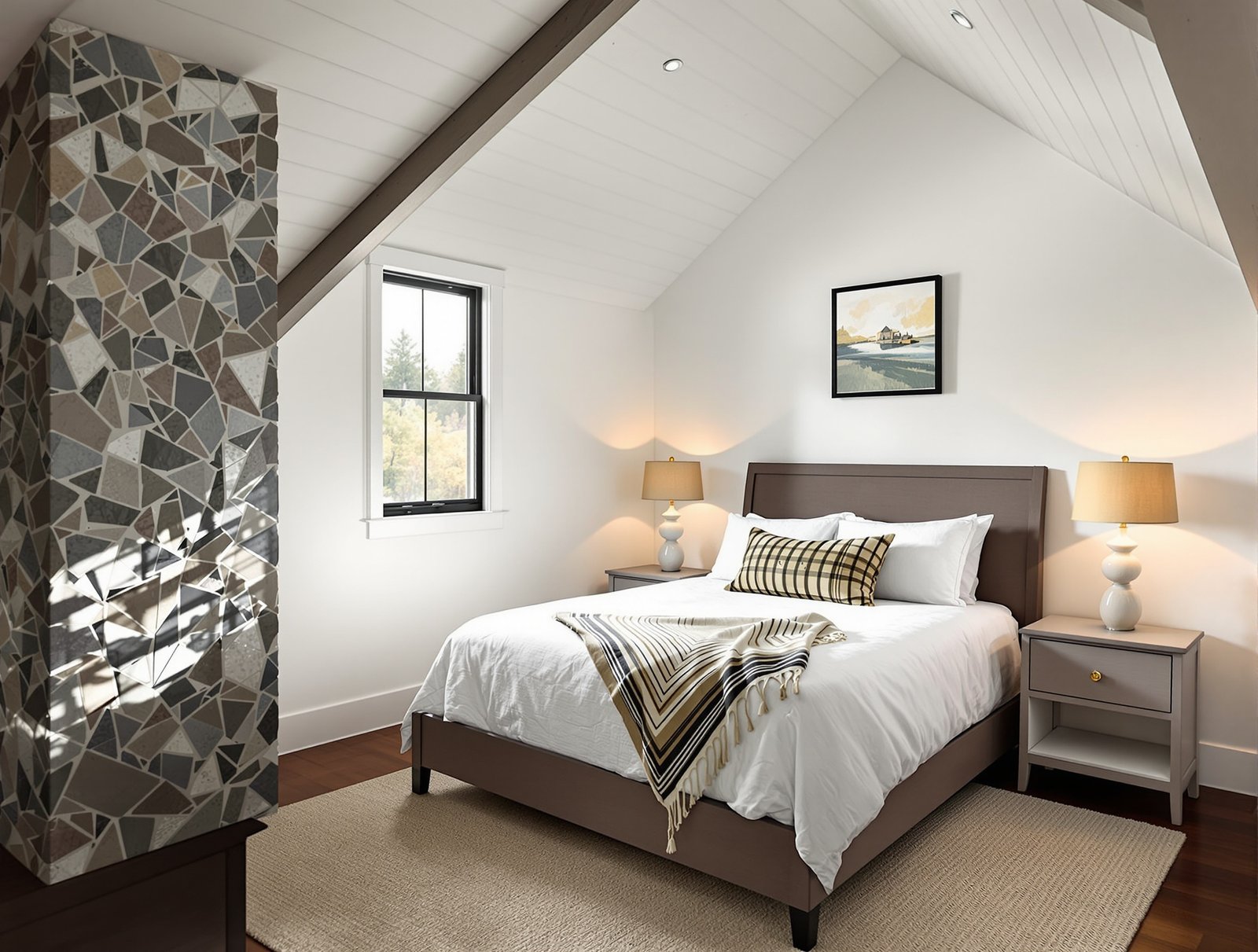
New Hampshire ADU bedroom interior
New Hampshire ADU bathroom interior
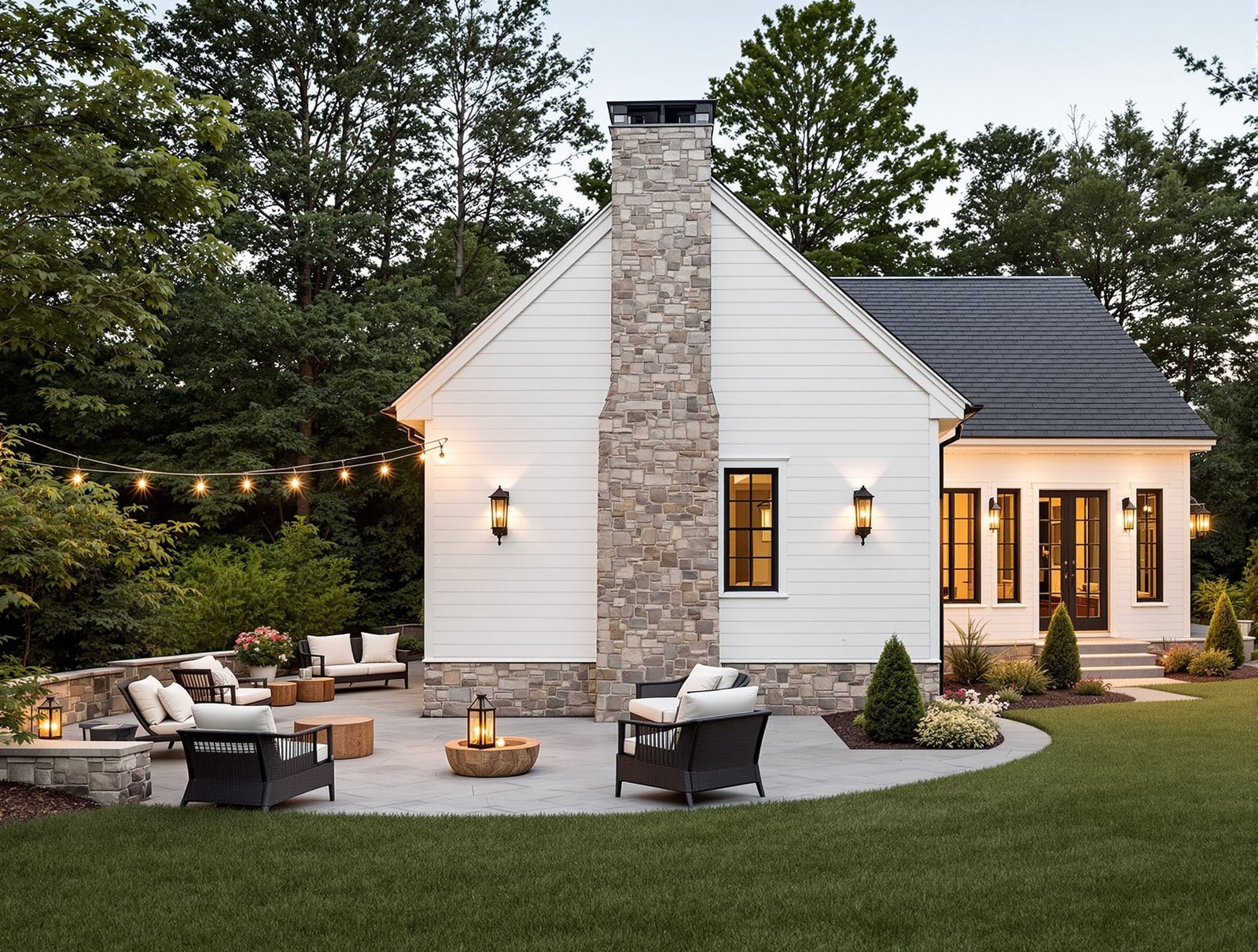
New Hampshire ADU outdoor living and patio space
Planning & Inspiration
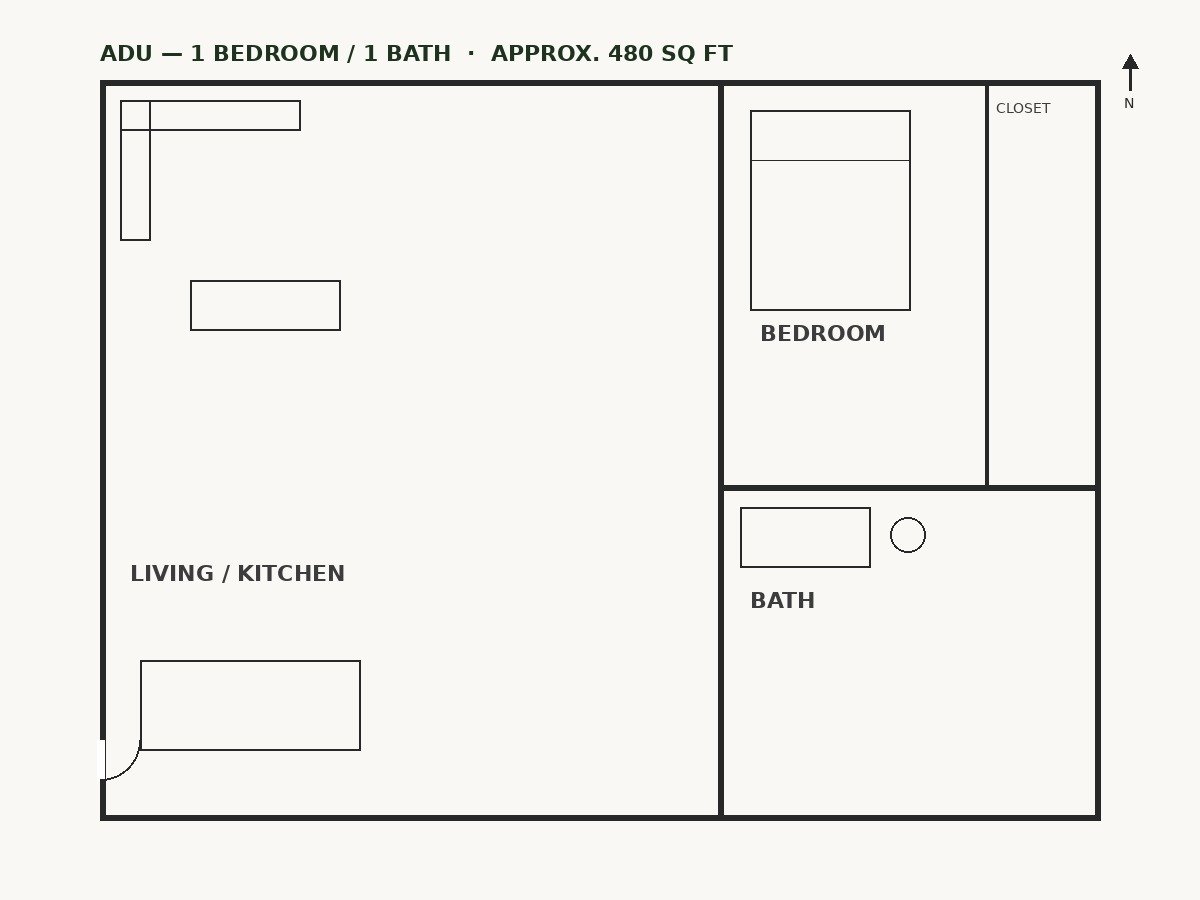
Planning Reference
Example 1-bedroom ADU floor plan, illustrative layout
Example Floor Plan

Illustrative 1-bedroom layout. Actual floor plans vary by ADU type, size, local code, and homeowner needs.

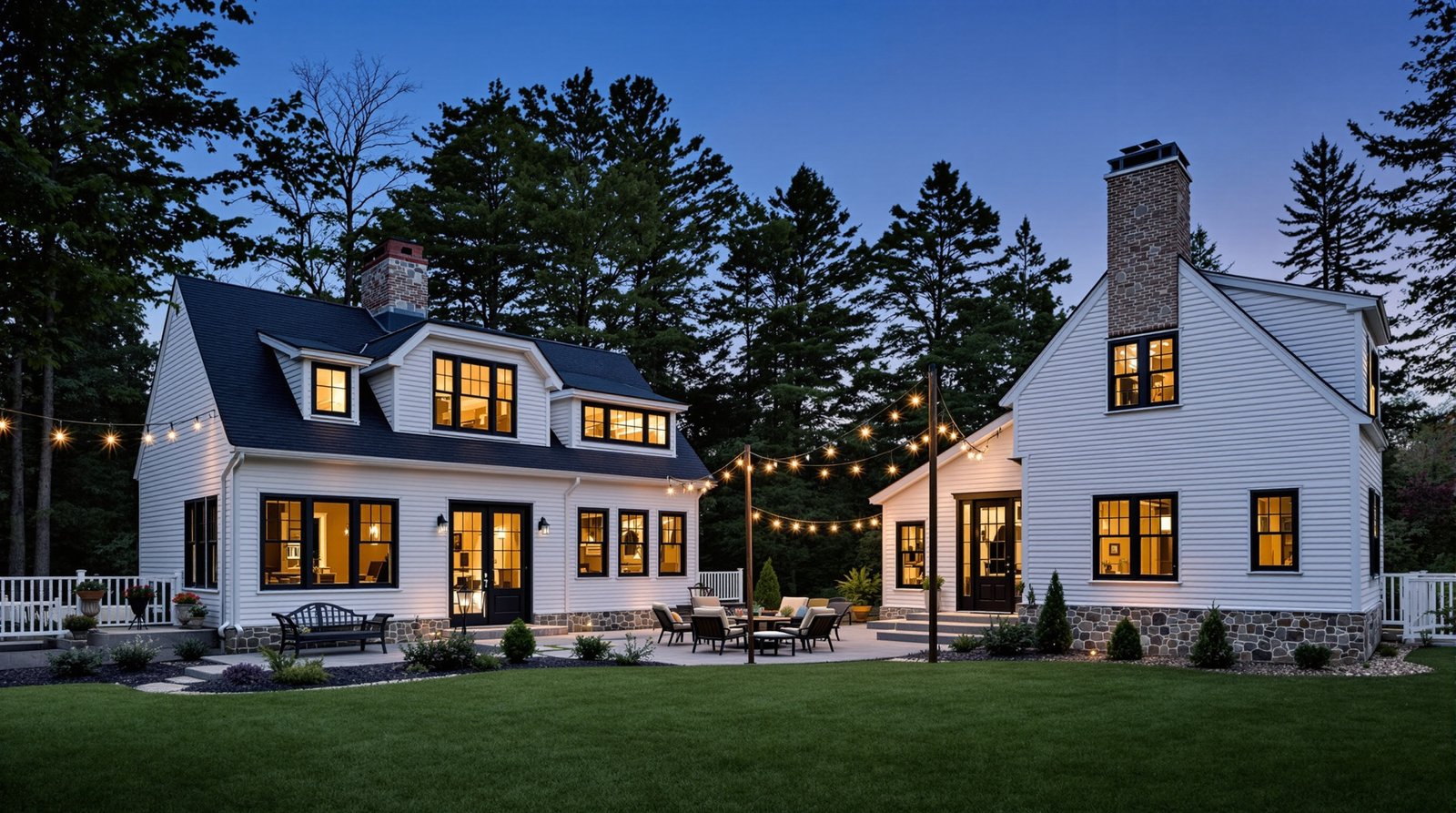
New Hampshire ADU exterior at twilight, warm interior light glowing
New Hampshire ADU and main house evening backyard view
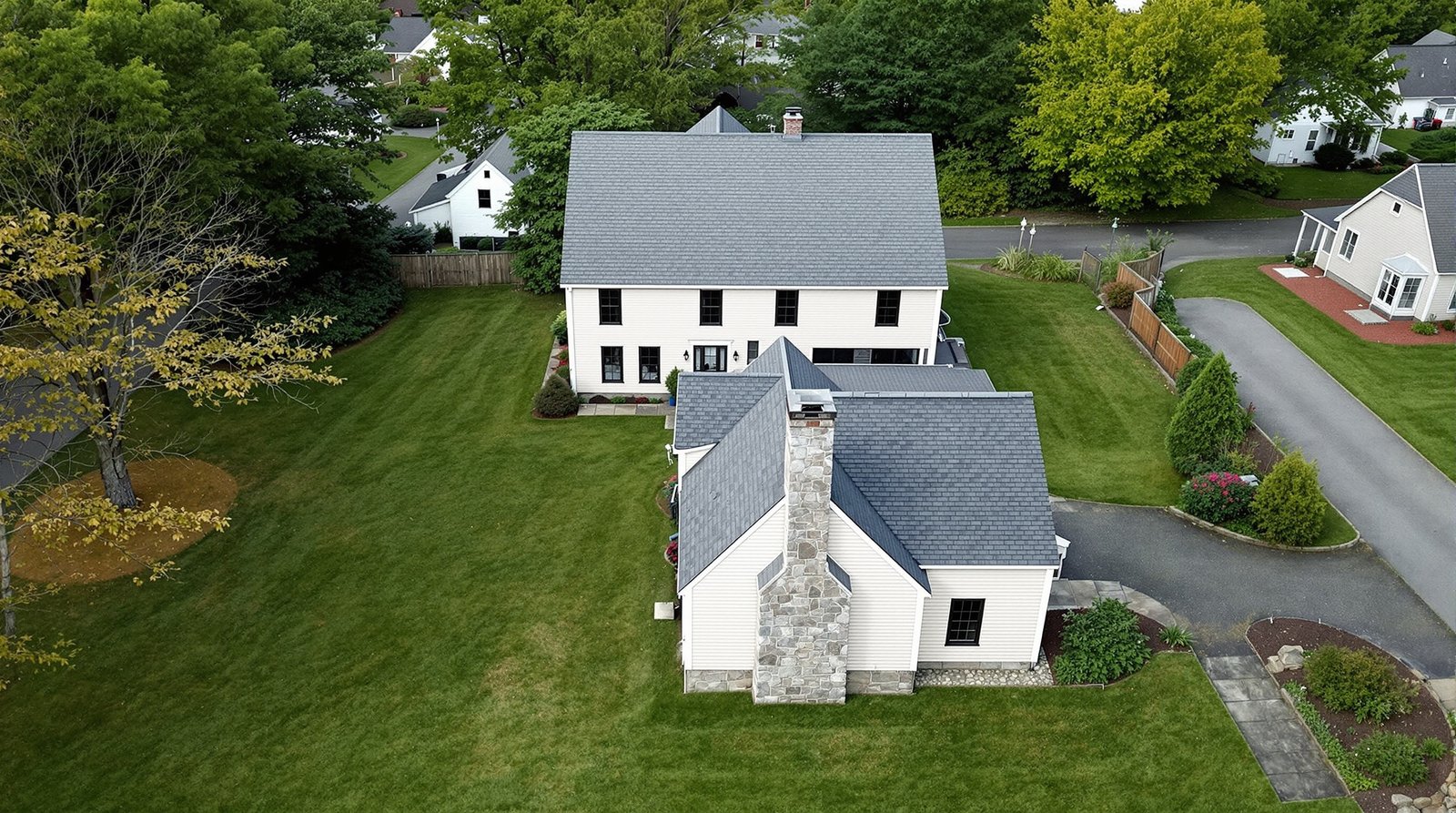
Aerial view of New Hampshire property with backyard ADU
At a Glance

New Hampshire ADU costs — by type.

Detached ADU
$92K – $335K
New foundation + structure · highest cost, highest value
🏡
Attached ADU
$90K – $278K
Shares one wall · 20–35% less than detached
🔗
Garage Conversion
$56K – $168K
Most affordable · uses existing structure
🚗
Basement Conversion
$62K – $192K
Year-round build · egress windows required
⬇️
Modular / Prefab
$76K – $248K
Factory-built · fastest construction timeline
📦
💡

Effective framework: RSA 674:71–:73. State law requires local ADU accommodation under the current statutory framework; configuration and local approval details still vary. Permit fees and review timing remain planning estimates until confirmed for the specific property.

Calculate My ROI →
ADU Types

Which type fits your property?

01 / Most Common
Detached ADU
$92K – $335K

Freestanding backyard structure. New foundation and structure make this the highest-cost, highest-value option. Nashua and southern Hillsborough County push toward the top of this range; Concord and Merrimack County toward the bottom.

Detached ADU Guide →
02 / Most Affordable
Garage Conversion
$56K – $168K

The most affordable New Hampshire ADU option, using an existing structure to cut cost significantly versus new detached construction. Conversions cost 40–55% less than a comparable detached build.

Garage Conversion Guide →
03 / Fastest Build
Modular / Prefab
$76K – $248K

Factory-built construction offers the fastest, most predictable timeline of any ADU type — a meaningful advantage across New Hampshire's variable-weather construction seasons.

Prefab ADU Overview →
04 / Smaller Lots
Attached ADU
$90K – $278K

Shares one wall with the primary residence, reducing site-work cost 20–35% versus detached construction. A practical choice on smaller lots across Manchester and Nashua.

Attached ADU Guide →
05 / Year-Round Build
Basement Conversion
$62K – $192K

A year-round build option unaffected by New Hampshire's construction season — egress windows are required to meet code for a legal bedroom or living space.

Basement ADU Guide →
Cost by Region

Every New Hampshire market is different.

Nashua
Southern Hillsborough County
$125K–$335K
$182–$382 per sq ft
Highest cost
Manchester
Central Hillsborough County
$108K–$285K
$158–$345 per sq ft
Moderate
Concord
Merrimack County
$92K–$242K
$138–$310 per sq ft
Most affordable
Cost Factors

Why New Hampshire ADUs cost what they cost.

👷
Boston-Spillover Labor Premiums
Southern NH counties near the Massachusetts border absorb Boston-spillover labor premiums, typically accounting for 40–50% of total project cost. Concord and Merrimack County are considerably more affordable.
40–50% of total cost
🧱
Deep Frost Depth
New Hampshire's 48-inch frost depth requirement — among the deepest in New England — requires substantial concrete and excavation for any new construction ADU.
$8K–$30K added cost
💵
No State Income Tax
New Hampshire has no state income tax, making it among the most landlord-friendly states for net rental returns. Combined with strong Boston commuter-belt demand, southern NH rental markets are among the strongest in New England.
Maximizes net rental returns
⚖️
Current ADU Legal Framework
State law requires local ADU accommodation under the current statutory framework; configuration and local approval details still vary.
Effective framework · RSA 674:71–:73
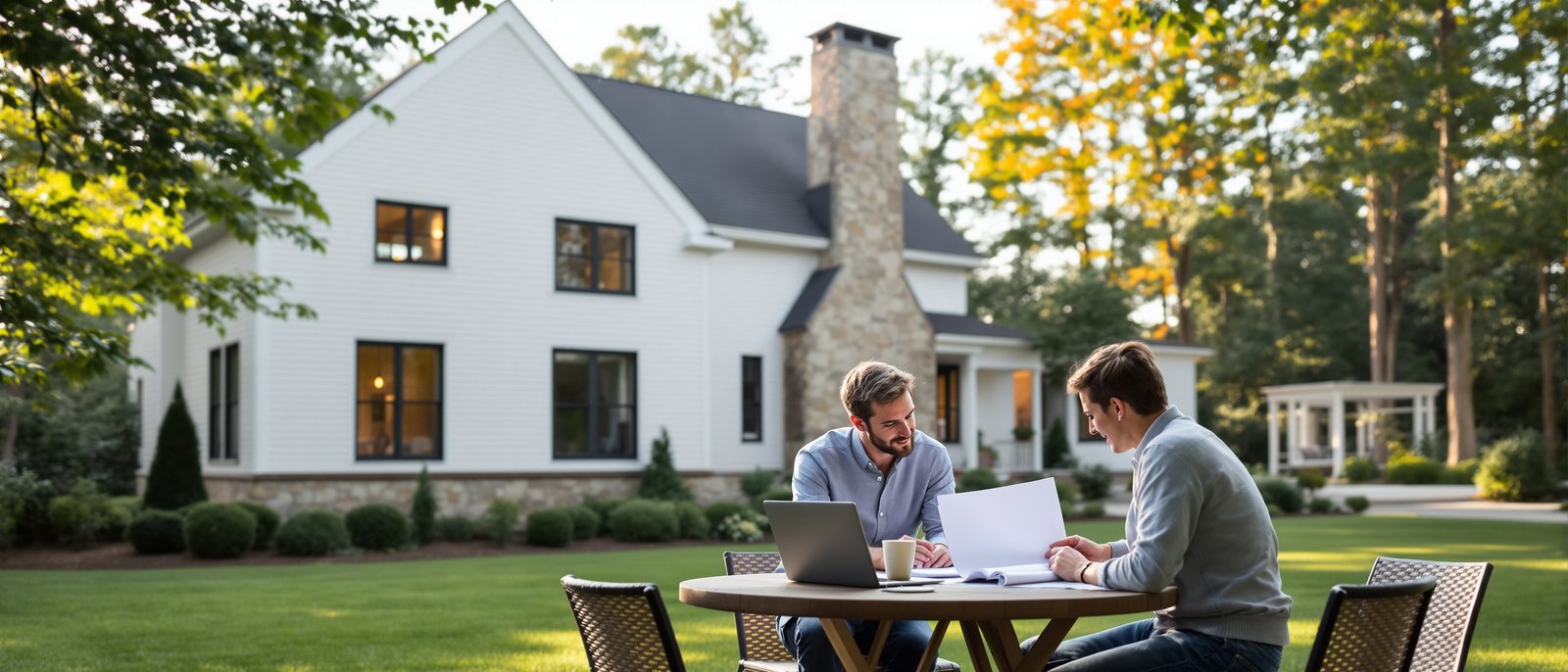
Homeowners reviewing ADU permit documents
Permits & Fees

What permitting actually costs.

State law requires local ADU accommodation under the current statutory framework; configuration and local approval details still vary. The detailed figures below are representative planning ranges, not a statewide fee schedule or review-time guarantee.

📄
Building Permit Fee
$1,800 – $8,000
Varies significantly by city and project value.
🏗️
Plan Check / Review Fee
Included or 65% of permit fee
Some jurisdictions combine with permit fee.
💧
Utility Connection Fees
$3,000 – $18,000
Water, sewer, electrical connections.
📋
Impact / Development Fees
$0 – $8,000
School, park, and transportation fees where applicable.
🧾
Design & Engineering
$4,000 – $20,000
Architecture, structural engineering, energy compliance.
Verified August 5, 2026 · Effective framework
RSA 674:71–:73

State law requires local ADU accommodation under the current statutory framework; configuration and local approval details still vary.

Legal classificationEffective framework
Governing frameworkRSA 674:71–:73
Representative permit fees$1,800 – $8,000
Representative review time5–14 weeks
Local verificationRequired

Source: New Hampshire General Court — RSA 674 →

Verify the property before design

These are planning benchmarks, not a permit quote, eligibility ruling, or legal opinion. Confirm zoning, building, utility, site, private-covenant, fee, and timing requirements with the current local authorities. See the 51-jurisdiction law directory and national permit guide.

Return on Investment

New Hampshire ROI planning inputs.

$925–$1,550
Adopted statewide 1-bedroom rent range
15%
National property-value planning input
10%–20%
Property-value uncertainty range
30%
Operating-expense planning reserve
Rent source
HUD FY2026 revised
One-bedroom FMR market basket
Exact HUD mappings
ROI-CM-1.4
Home-value source
Statewide Zillow ZHVI
June 30, 2026
One statewide input
Not a valuation
Payback period
Calculated live
Budget, ADU type, size and rent
No static statewide promise
Full methodology
Transparent sources
HUD, Census PUMS, Zillow and FHFA
Planning estimate, not a valuation
Save Money

5 ways to cut your
New Hampshire ADU cost now.

No state income tax already boosts New Hampshire ADU returns — these moves help control cost and avoid the most common delays.

Calculate My ADU ROI →
Compact detached ADU exterior
🏡
Compact Detached ADU
New Hampshire — statewide range
Property-Value Planning Input
15%
1
Convert before you build new
If your property has a qualifying garage or basement, conversions cost 40–55% less than a comparable detached new construction ADU while generating similar rental income in most New Hampshire markets. Always evaluate conversion potential before committing to ground-up construction.
Saves 40–55% vs. new construction
2
Get a minimum of three contractor bids
Contractor pricing for ADU projects in New Hampshire varies 20–35% for equivalent scope. Getting three bids from contractors with ADU permit experience in your specific city is the single most reliable way to avoid overpaying.
Prevents 20–35% overpayment
3
Start your contractor search during permit review
Begin contractor research during the permit review period — not after approval. Experienced ADU contractors in active New Hampshire markets book 2–4 months in advance, so starting early means you can break ground the day your permit arrives.
Avoids 2–4 month contractor delay
4
Right-size for your market's rent ceiling
In most New Hampshire markets, a 600–700 sq ft 1-bedroom ADU commands rents close to a 900 sq ft 2-bedroom — at significantly lower construction cost. Size your ADU to the market's rent curve, not to the maximum allowed square footage.
Lower cost, comparable rent
5
Explore financing options before you start
HELOC, cash-out refinance, and ADU-specific loan programs all have different costs and qualification criteria. Choosing the right financing option can save $10,000–$40,000 over the life of the project.
Can save $10,000–$40,000
Frequently Asked Questions

New Hampshire ADU answers.

How much does an ADU cost in New Hampshire?
ADU costs in New Hampshire range from $56,000 for a basic garage conversion to $335,000 for a large detached new build in the most expensive markets. The most common project — a 600–700 sq ft 1-bedroom detached ADU — falls in the mid-range for your region. See the regional breakdown above for market-specific data. Always get three contractor bids before finalizing your budget.
What ADU law applies in New Hampshire?
RSA 674:71–:73 is classified as an effective statewide or district framework in NationwideADU's August 5, 2026 review. State law requires local ADU accommodation under the current statutory framework; configuration and local approval details still vary. Local zoning, building, utility, site, and private-covenant requirements may still apply; verify the current rules for the property before design or construction.
How long does it take to get an ADU permit in New Hampshire?
The representative ADU permit-review planning timeline for New Hampshire is 5–14 weeks. This is not a statewide deadline or guarantee. Timing can change with the local authority, project complexity, corrections, utilities, site conditions, and application completeness; confirm the current timeline locally.
What is the best ADU type for my New Hampshire property?
If your property has a qualifying garage or full basement, start there — conversions cost 40–55% less than detached new construction while generating similar rental income in most New Hampshire markets. If conversions aren't viable, a detached new build maximizes rental income and property value. An attached ADU is the right choice for smaller lots where a detached structure isn't feasible.
What is the cheapest ADU to build in New Hampshire?
Garage conversions are the least expensive option, typically $56,000–$168,000, since they use an existing structure rather than requiring new foundation work.
How much are ADU permit fees in New Hampshire?
The representative ADU permit-fee planning range for New Hampshire is $1,800 – $8,000. This is not an official statewide fee schedule or quote. Plan review, utility, impact, site, and other local charges may be additional; request a current itemized estimate from the permitting authority.
What is the ROI on an ADU in New Hampshire?
The adopted New Hampshire one-bedroom planning range is $925–$1,550 per month, derived from the HUD FY2026 revised FMR market basket under ROI-CM-1.4. Payback is calculated from the homeowner's budget, ADU type, size, rent range, and a 30% operating-expense reserve. Property value uses a 15% national planning input with a 10%–20% uncertainty range; it is not a valuation.

Ready to find out what your ADU will actually cost?

Start with the ROI calculator. Free, no signup, no contractor pitch. Just the data.

Planning Disclaimer: Cost, fee, and timeline ranges are approximations for education and early planning; actual requirements and costs vary with the property, local authority, utilities, site conditions, design, and contractor. The New Hampshire legal classification and framework shown here were verified on August 5, 2026, but they do not determine parcel eligibility and are not legal advice. Confirm current zoning, building, utility, private-covenant, fee, and timing requirements directly with the applicable authorities before design or construction. Obtain at least three contractor bids before committing to a project budget. Last updated August 2026.