2026 Cost Guide · Updated June 2026

ADU Cost in Washington — Seattle, Bellevue, Tacoma & Statewide

City-by-city ADU cost data across Washington's major markets. Built from permit records, contractor data, and regional labor rates.

$150K–$420K Detached ADU range
$70K–$160K Garage conversion (lowest cost)
HB 1337 Statewide law mandates 2 ADUs/lot
No owner-occ. Occupancy requirements banned statewide
At a Glance

Washington ADU costs — by type.

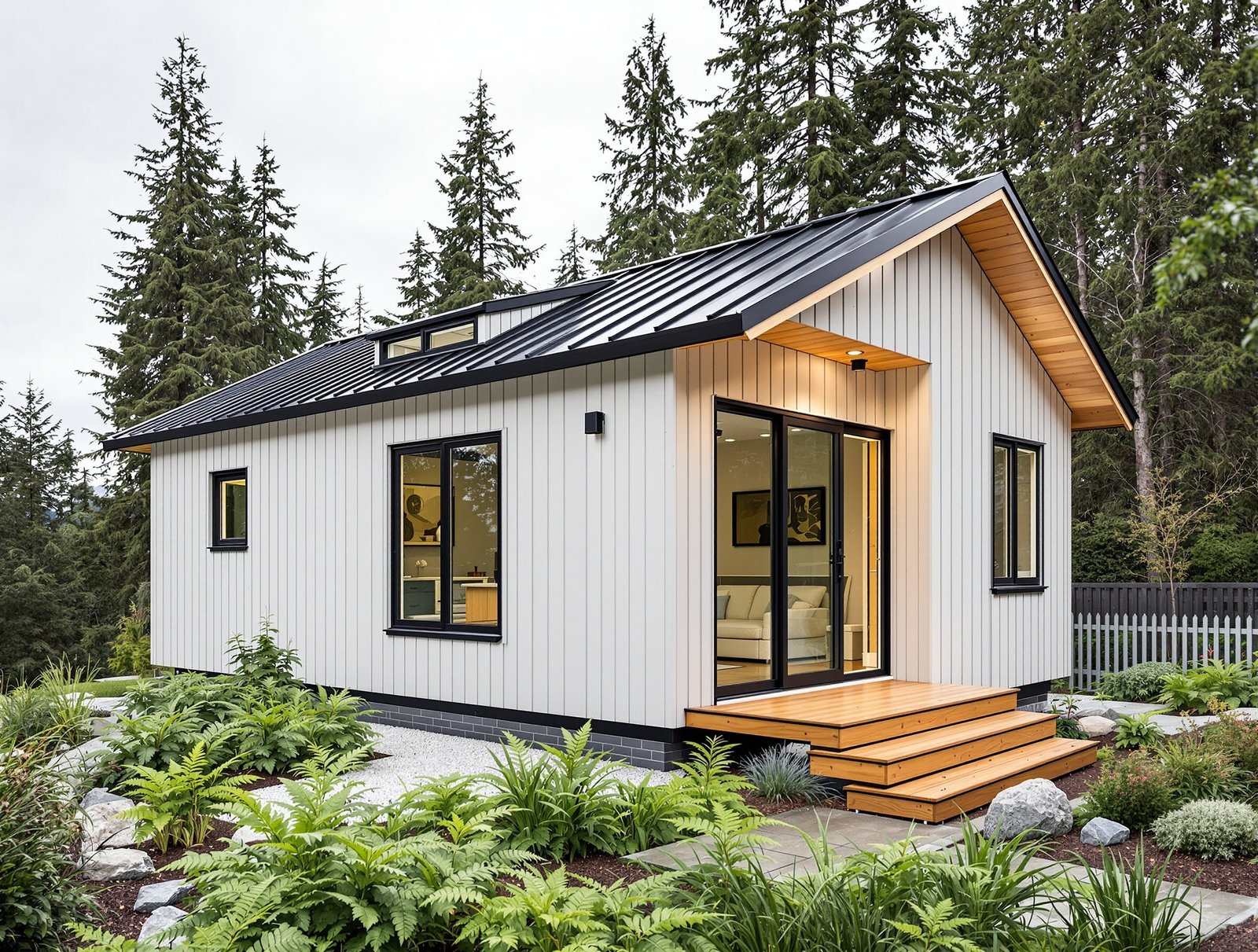
Detached ADU (DADU)
$150K – $420K
$200–$450 per sq ft · Seattle metro skews highest
🏡
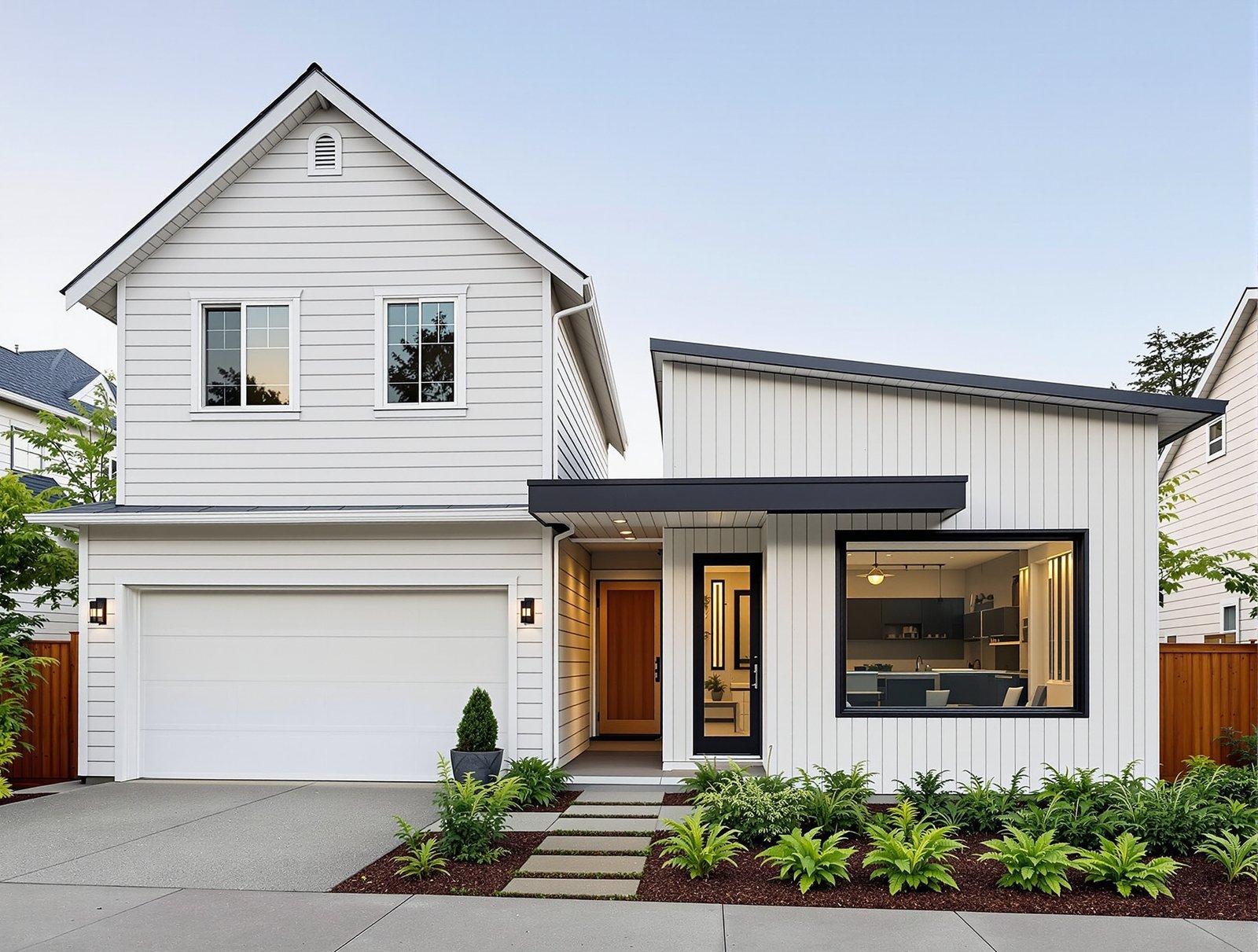
Attached ADU (AADU)
$140K – $260K
Shared utility hookups reduce connection costs
🔗
Garage Conversion
$70K – $160K
Most affordable Washington option statewide
🚗
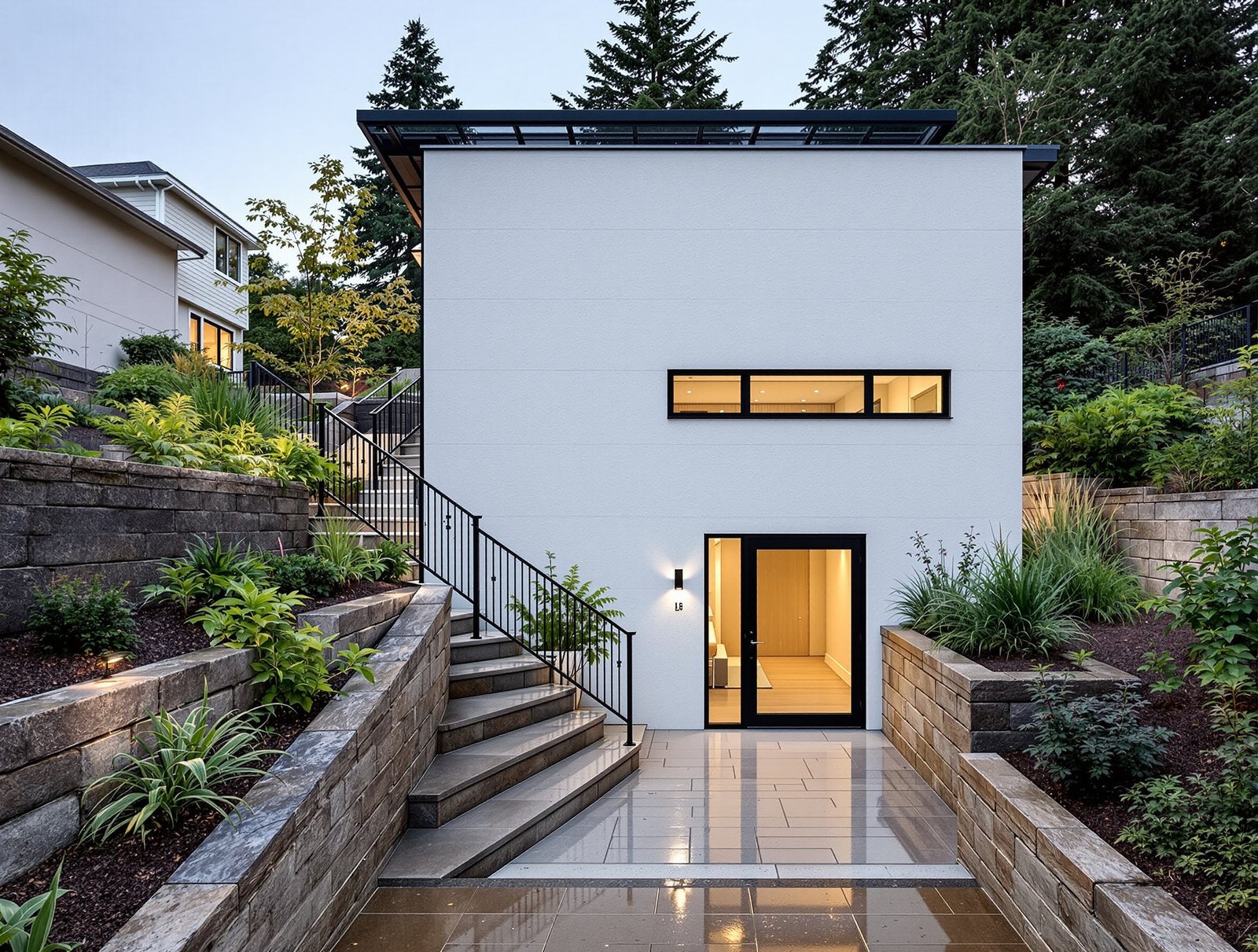
Basement Conversion
$130K – $250K
Common AADU type · basement apartment or in-law suite
⬇️
Modular / Prefab
$200K – $320K
6–9 month timeline · popular in the Seattle market
📦
💡

Effective framework: HB 1337 / RCW 36.70A.681. Covered Growth Management Act jurisdictions must implement state ADU standards on qualifying lots, with statutory exceptions and local permitting. Permit fees and review timing remain planning estimates until confirmed for the specific property.

Calculate My ROI →
ADU Types

Which type fits your property?

01 / Most Common
Detached ADU (DADU)
$150K – $420K

Seattle calls detached ADUs "DADUs" and has made them a centerpiece of its housing strategy. Seattle pushes toward the top of this range; Spokane and smaller cities toward the bottom.

Detached ADU Guide →
02 / Most Affordable
Garage Conversion
$70K – $160K

Washington's older housing stock has abundant detached garages suitable for conversion. The mild Seattle climate reduces weatherization costs, though the state's strict Energy Code still requires meaningful insulation upgrades.

Garage Conversion Guide →
03 / Fastest Timeline
Modular / Prefab
$200K – $320K

Several prefab ADU providers now serve the Seattle market. The compressed 6–9 month timeline versus 12–18 for site-built is attractive in Seattle's competitive rental market.

Prefab ADU Overview →
04 / Older Neighborhoods
Attached ADU (AADU)
$140K – $260K

Additions or converted portions of the main house. AADUs share utility connections with the primary residence, reducing hookup costs, and are popular in Seattle's older neighborhoods with lot-coverage limits.

Attached ADU Guide →
05 / Common AADU Type
Basement Conversion
$130K – $250K

A basement apartment or in-law suite is one of the most common Washington AADU forms. Feasible in most Seattle-area homes with existing basement square footage and separate entrance potential.

Basement ADU Guide →
Cost by Region

Every Washington market is different.

Seattle
Capitol Hill · Queen Anne
$240K–$420K
$360–$450 per sq ft
Very high
Bellevue / Eastside
Bellevue · Kirkland · Redmond
$270K–$345K*
$340–$430 per sq ft
Very high
Tacoma Metro
Tacoma · Lakewood
$210K–$265K*
$260–$330 per sq ft
High
Olympia / Lacey
Olympia · Lacey · Tumwater
$190K–$250K*
$240–$310 per sq ft
Moderate
Bellingham
Whatcom County
$210K–$265K*
$260–$330 per sq ft
Moderate
Spokane Metro
Spokane · Spokane Valley
$160K–$210K*
$200–$265 per sq ft
Standard
Yakima / Tri-Cities
Yakima · Kennewick · Richland
$150K–$205K*
$190–$255 per sq ft
Most affordable

*Total-cost ranges outside Seattle are derived from regional $/sq ft data at a representative ~800 sq ft build; verify against local bids before publishing final figures.

Cost Factors

Why Washington ADUs cost what they cost.

👷
Labor & Material Costs
Washington sources dimensional lumber from its own timber industry, a cost advantage over import-dependent states. But wet-climate building envelope requirements — moisture barriers, flashing, heavier roofing — add cost back.
Mixed: lumber advantage, envelope cost
🌧️
Climate & Seismic Standards
Western Washington's high annual rainfall (40–60 in.) requires engineered drainage, quality roofing, and moisture-resistant envelopes. Washington's seismic zone adds structural requirements; Eastern WA's temperature extremes add insulation needs.
Rain + seismic + insulation stack
📐
Washington Energy Code
One of the nation's strictest energy codes adds documentation and specification costs to every project, regardless of city.
Adds design & spec cost statewide
⚖️
Current ADU Legal Framework
Covered Growth Management Act jurisdictions must implement state ADU standards on qualifying lots, with statutory exceptions and local permitting.
Effective framework · HB 1337 / RCW 36.70A.681
Homeowners reviewing ADU permit documents in Washington
Permits & Fees

What permitting actually costs.

Covered Growth Management Act jurisdictions must implement state ADU standards on qualifying lots, with statutory exceptions and local permitting. The detailed figures below are representative planning ranges, not a statewide fee schedule or review-time guarantee.

📄
Building Permit — Seattle
$5,000 – $14,000
Based on project valuation, via Seattle SDCI.
🏗️
Impact Fees
$0 – $8,000
Waived for ADUs under 500 sqft in Seattle.
💧
Utility Connection Fee
$4,000 – $15,000
Sewer, water, and electrical connections.
📋
Plan Review Fee
$2,000 – $5,000
Architectural/structural review.
🧾
Total Typical Range
$20,000 – $45,000
Seattle; lower in smaller Washington cities.
Verified August 5, 2026 · Effective framework
HB 1337 / RCW 36.70A.681

Covered Growth Management Act jurisdictions must implement state ADU standards on qualifying lots, with statutory exceptions and local permitting.

Legal classificationEffective framework
Governing frameworkHB 1337 / RCW 36.70A.681
Representative permit fees$5,000 – $14,000
Representative review timeVerify locally
Local verificationRequired

Source: Washington Legislature — RCW 36.70A.681 →

Verify the property before design

These are planning benchmarks, not a permit quote, eligibility ruling, or legal opinion. Confirm zoning, building, utility, site, private-covenant, fee, and timing requirements with the current local authorities. See the 51-jurisdiction law directory and national permit guide.

Return on Investment

Washington ROI planning inputs.

$975–$1,975
Adopted statewide 1-bedroom rent range
15%
National property-value planning input
10%–20%
Property-value uncertainty range
30%
Operating-expense planning reserve
Rent source
HUD FY2026 revised
One-bedroom FMR market basket
Exact HUD mappings
ROI-CM-1.4
Home-value source
Statewide Zillow ZHVI
June 30, 2026
One statewide input
Not a valuation
Payback period
Calculated live
Budget, ADU type, size and rent
No static statewide promise
Full methodology
Transparent sources
HUD, Census PUMS, Zillow and FHFA
Planning estimate, not a valuation
Save Money

7 ways to cut your
Washington ADU cost now.

Washington's HB 1337 already removed several regulatory cost-drivers other states still have — these moves push savings further on top of that advantage.

Calculate My ADU ROI →
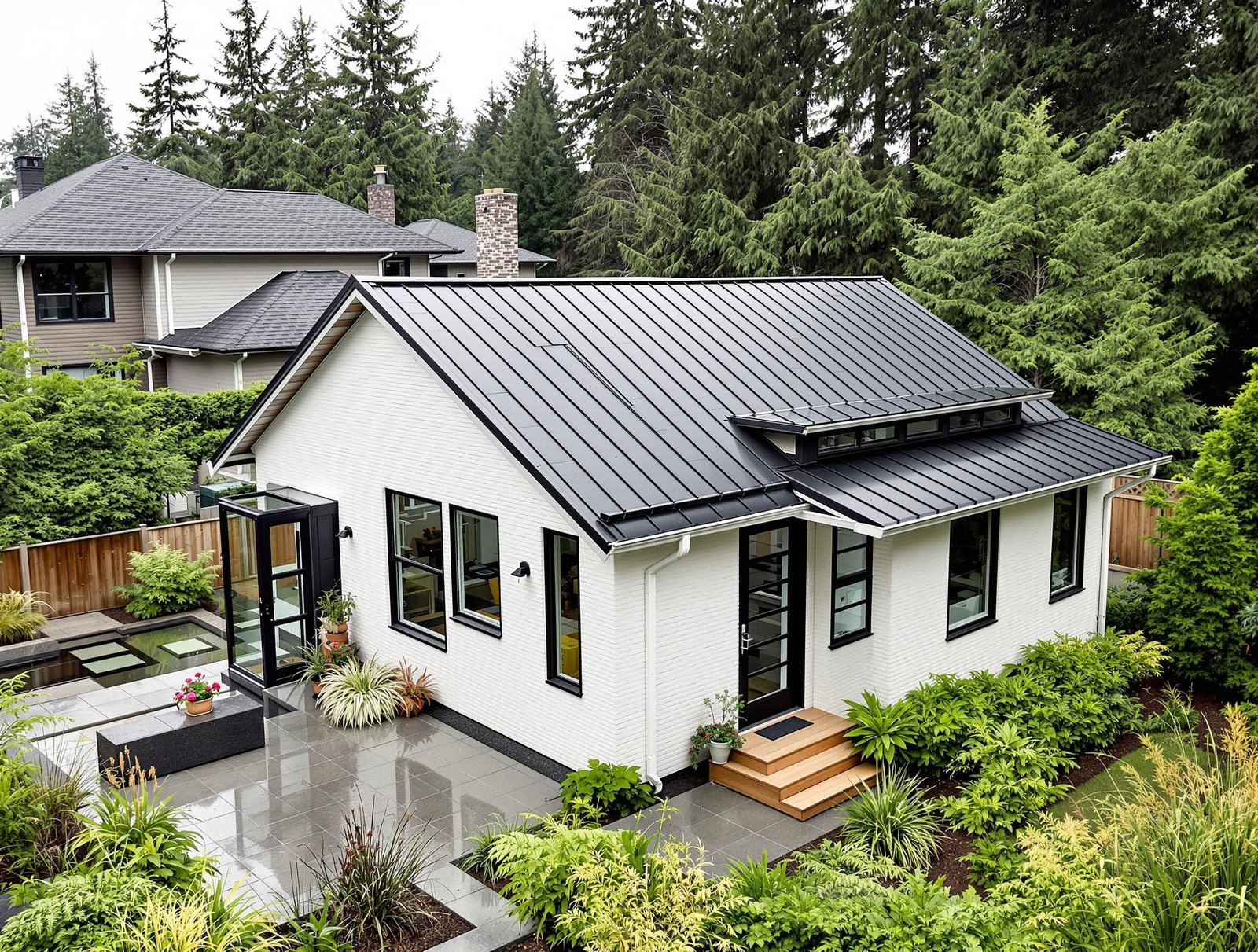
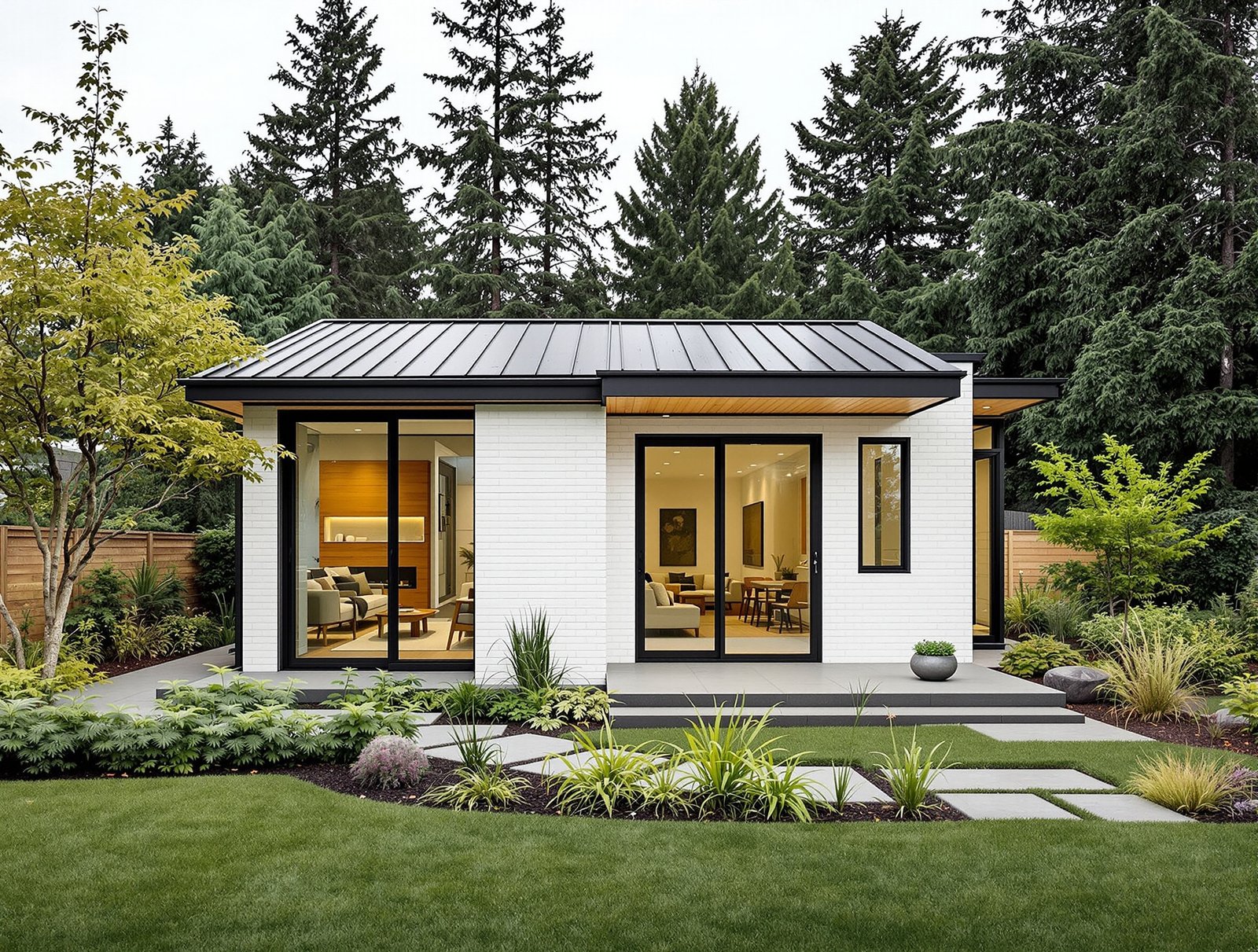
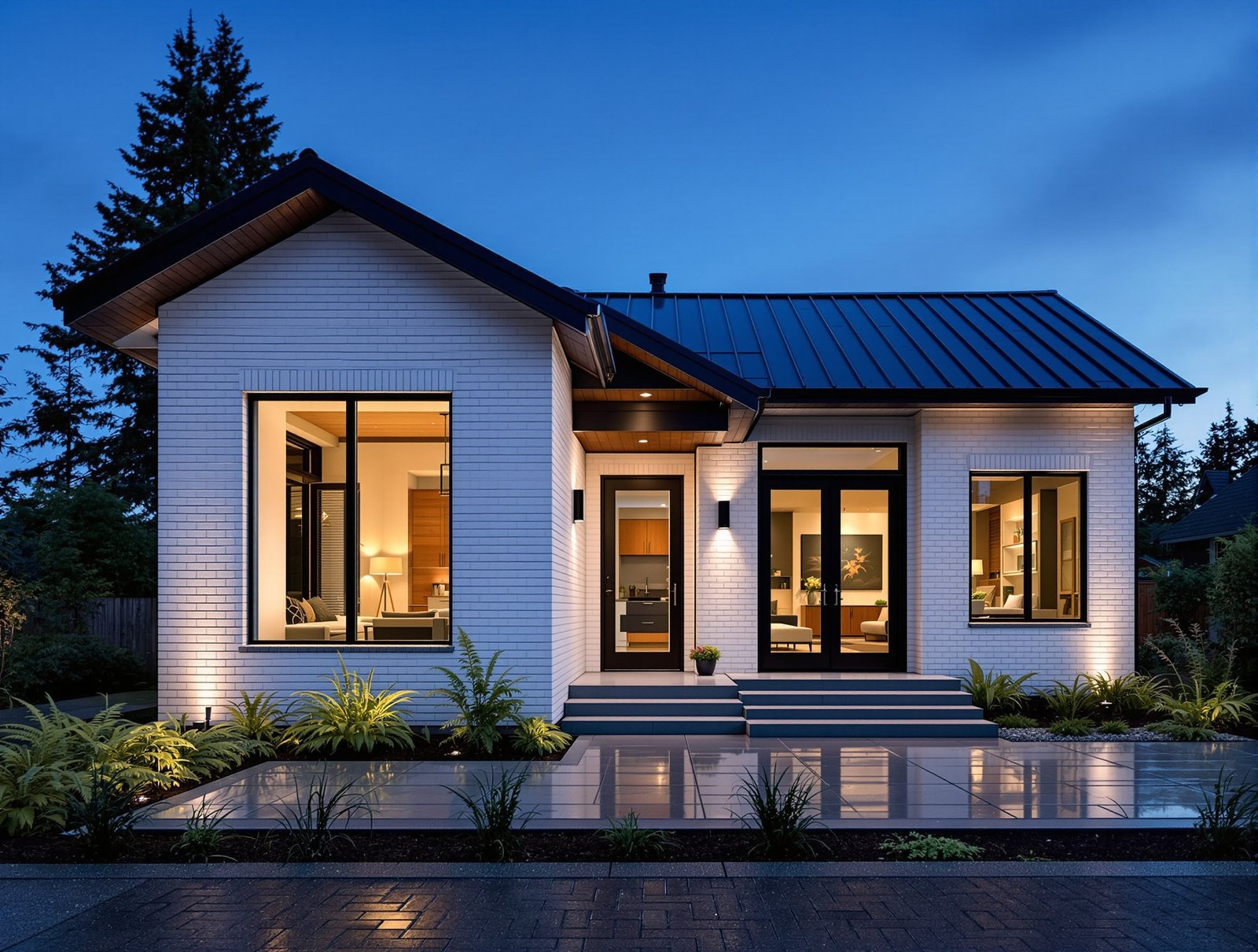
Compact detached ADU exterior with outdoor living space
🏡
Compact Detached ADU
Washington — statewide range
Property-Value Planning Input
15%
1
Hire an ADU-specialist contractor, not a general contractor
Several Seattle-area firms focus exclusively on ADUs. They know the permit process, have established relationships with reviewers, and move 30–50% faster than a general contractor encountering ADU permitting for the first time.
Faster timeline lowers financing cost
2
Use pre-designed ADU plans from a Seattle specialist firm
Washington has no state pre-approved plan library, but several Seattle design-build firms offer proprietary pre-designed plans that reduce design fees and compress permit review because reviewers already know the plans.
Saves $5,000–$15,000 in design fees
3
Convert a garage if you have a suitable one
A garage conversion in Western Washington costs 40–60% less than new detached construction. If your garage is structurally sound, 400+ sqft, and free of significant moisture damage, conversion is almost always the most cost-efficient path.
Saves 40–60% vs. new construction
4
Schedule a spring construction start
Beginning site work in May allows a full dry construction season before October rains. Projects starting in fall commonly see 4–8 week delays on exterior work.
Avoids weather-driven delays
5
Design all-electric
Washington's hydropower grid produces some of the cleanest and cheapest electricity in the country, making all-electric ADUs both simpler to permit and cheaper to operate long-term.
Lower utility bills, simpler permitting
6
Verify your contractor's L&I registration
All Washington contractors must be registered with the Department of Labor & Industries. Confirming this and checking references from at least three ADU projects prevents costly mid-project surprises.
Prevents costly contractor disputes
7
Use the two-ADU allowance strategically
HB 1337 guarantees at least two ADUs per lot. Homeowners planning a DADU and an AADU together can often share site work, permitting overhead, and utility trenching across both units.
Shared site work across both units
Frequently Asked Questions

Washington ADU answers.

Can I build two ADUs on my lot in Washington?
Yes. HB 1337 (2023) requires Washington cities to allow at least two ADUs per single-family lot — typically one attached and one detached. Seattle now allows up to two DADUs plus one AADU on qualifying lots. Having multiple ADUs can significantly increase rental income potential.
Does Seattle have an owner-occupancy requirement for ADUs?
No. Seattle eliminated its owner-occupancy requirement for ADUs in 2019, and state law now prohibits cities from imposing such requirements. You do not need to live on the property to rent out an ADU in Seattle or anywhere else in Washington State.
What is a DADU versus AADU in Seattle?
DADU (Detached Accessory Dwelling Unit) is a fully separate structure — a backyard cottage, laneway house, or converted garage. AADU (Attached Accessory Dwelling Unit) is within or attached to the main house — a basement apartment, in-law suite, or addition. Both are permitted by right on most Seattle single-family lots.
How do I verify a contractor's license in Washington?
Washington requires all contractors to be registered with the Department of Labor & Industries. Verify contractor registration at secure.lni.wa.gov/verify before hiring. Look specifically for contractors with ADU project experience and request references from at least three completed DADU or AADU projects.
Can I rent my Washington ADU on Airbnb?
Seattle requires a Short-Term Rental Operator License and limits short-term rentals to a host's primary residence. This effectively prohibits Airbnb rentals of standalone ADUs unless you live on the property. Other Washington cities vary — check local ordinances before planning a short-term rental strategy.
What is the cheapest ADU to build in Washington?
Garage conversions are the least expensive option, typically $70,000–$160,000. Washington's mild Puget Sound climate keeps most garages in workable structural condition, though the state's strict Energy Code still requires meaningful insulation upgrades during conversion.
How much are ADU permit fees in Washington?
The representative ADU permit-fee planning range for Washington is $5,000 – $14,000. This is not an official statewide fee schedule or quote. Plan review, utility, impact, site, and other local charges may be additional; request a current itemized estimate from the permitting authority.
What is the ROI on an ADU in Washington?
The adopted Washington one-bedroom planning range is $975–$1,975 per month, derived from the HUD FY2026 revised FMR market basket under ROI-CM-1.4. Payback is calculated from the homeowner's budget, ADU type, size, rent range, and a 30% operating-expense reserve. Property value uses a 15% national planning input with a 10%–20% uncertainty range; it is not a valuation.
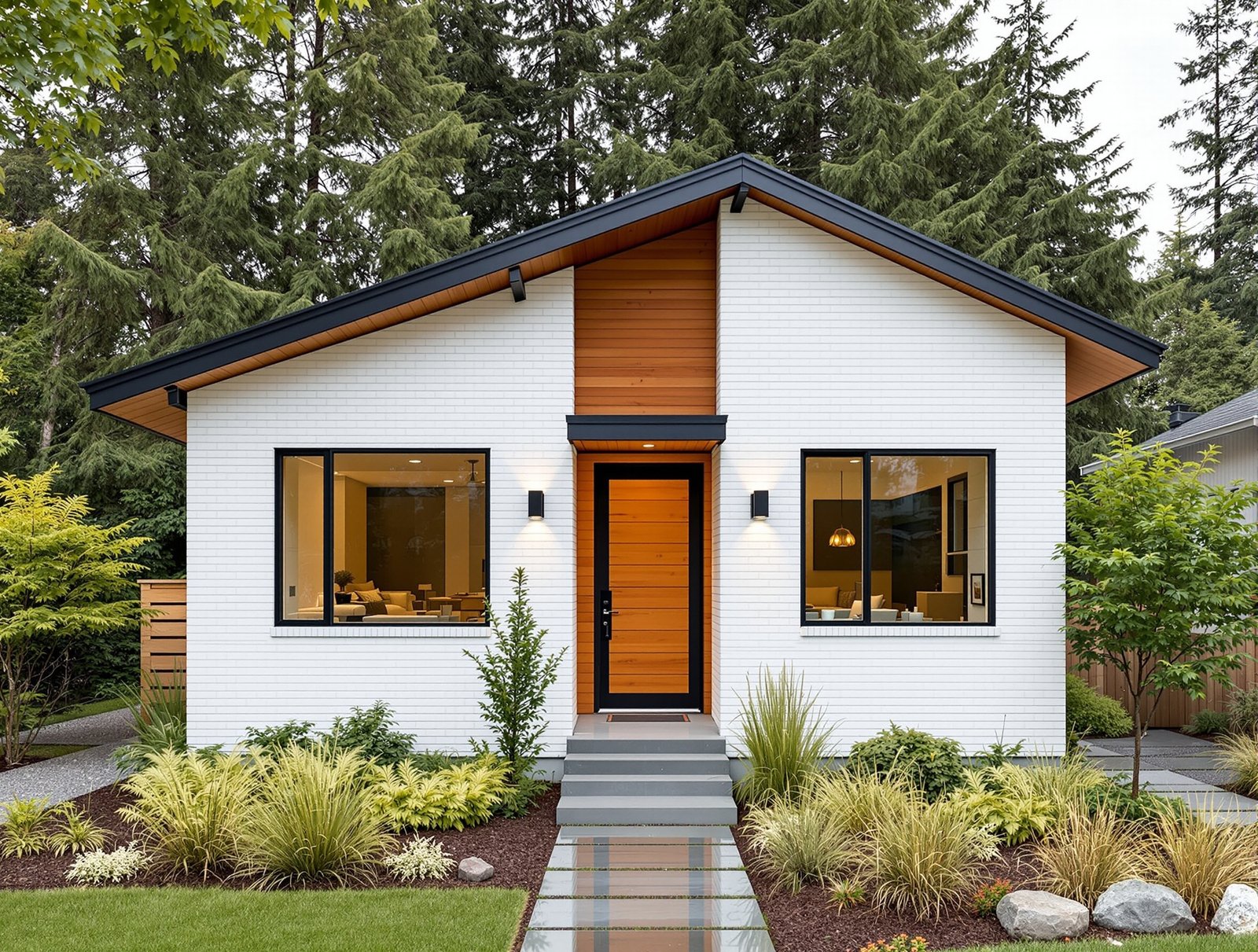
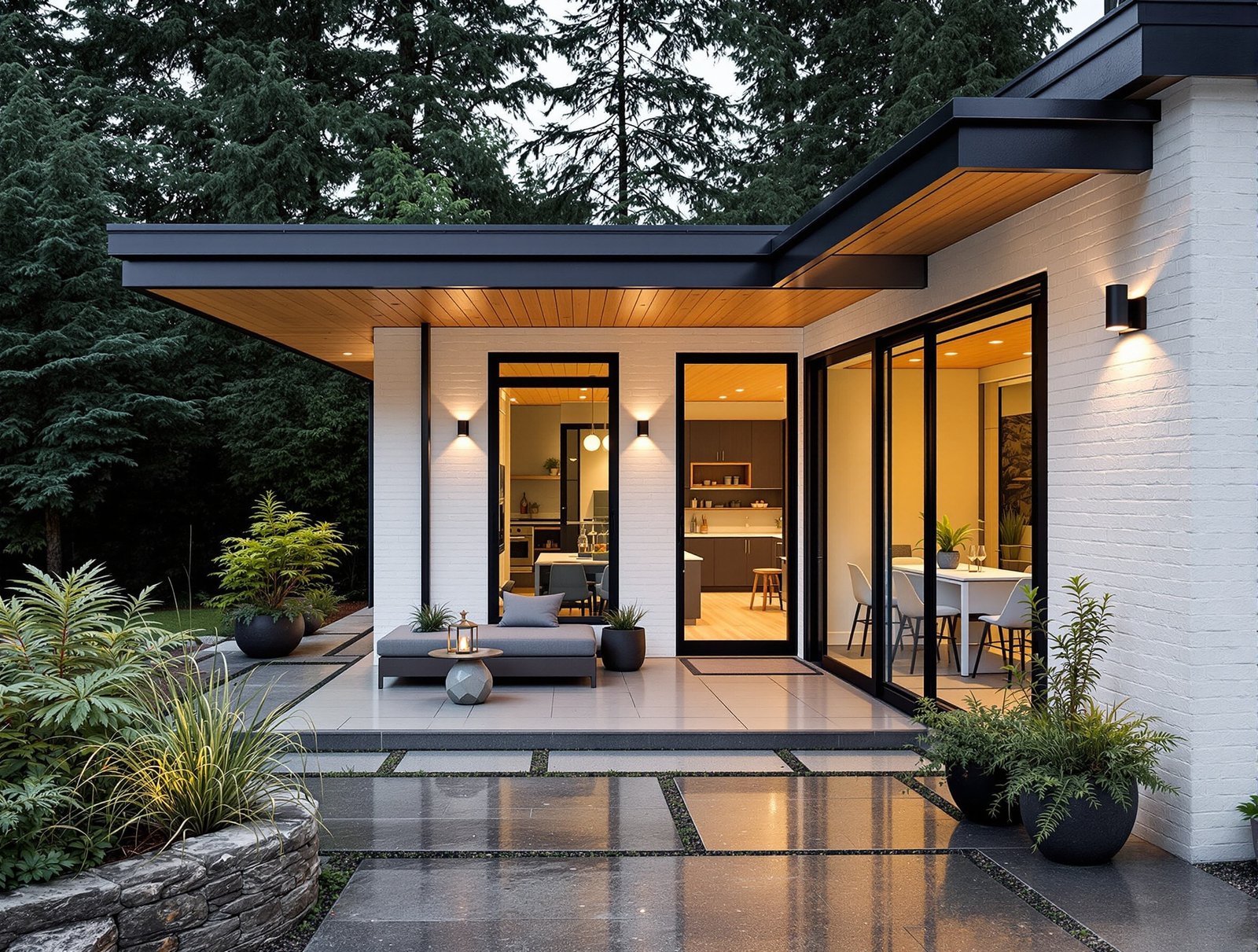
Washington ADU exterior at twilight, warm interior light glowing
Imagine coming home to your own Washington ADU.

Ready to find out what your ADU will actually cost?

Start with the ROI calculator. Free, no signup, no contractor pitch. Just the data.

Planning Disclaimer: Cost, fee, and timeline ranges are approximations for education and early planning; actual requirements and costs vary with the property, local authority, utilities, site conditions, design, and contractor. The Washington legal classification and framework shown here were verified on August 5, 2026, but they do not determine parcel eligibility and are not legal advice. Confirm current zoning, building, utility, private-covenant, fee, and timing requirements directly with the applicable authorities before design or construction. Obtain at least three contractor bids before committing to a project budget. Last updated August 2026.